






If you’re trying to tell them apart, timing is your biggest clue. A panic attack surges suddenly and peaks within minutes, often bringing a racing heart, breathlessness, or fear of losing control. Anxiety builds gradually, tied to a stressor, and can linger for hours or days with tension and persistent worry. Knowing what to expect helps you respond calmly. Understanding each pattern also shapes which treatment approach truly works for you.
Key Takeaways
- “Panic attack” is a recognized clinical symptom cluster, while “anxiety attack” is a lay term without a formal diagnosis.
- Panic attacks surge suddenly and peak within about 10 minutes, whereas anxiety builds gradually and lingers for hours or longer.
- Panic brings intense symptoms like racing heart, breathlessness, trembling, dizziness, and fear of losing control or dying.
- Anxiety typically ties to a stressor and causes muscle tension, restlessness, irritability, and fatigue over time.
- Seek professional help for repeated panic attacks, avoidance behaviors, or recurrent chest pain, fainting, or breathing trouble.
What is the difference between a panic attack and an anxiety attack
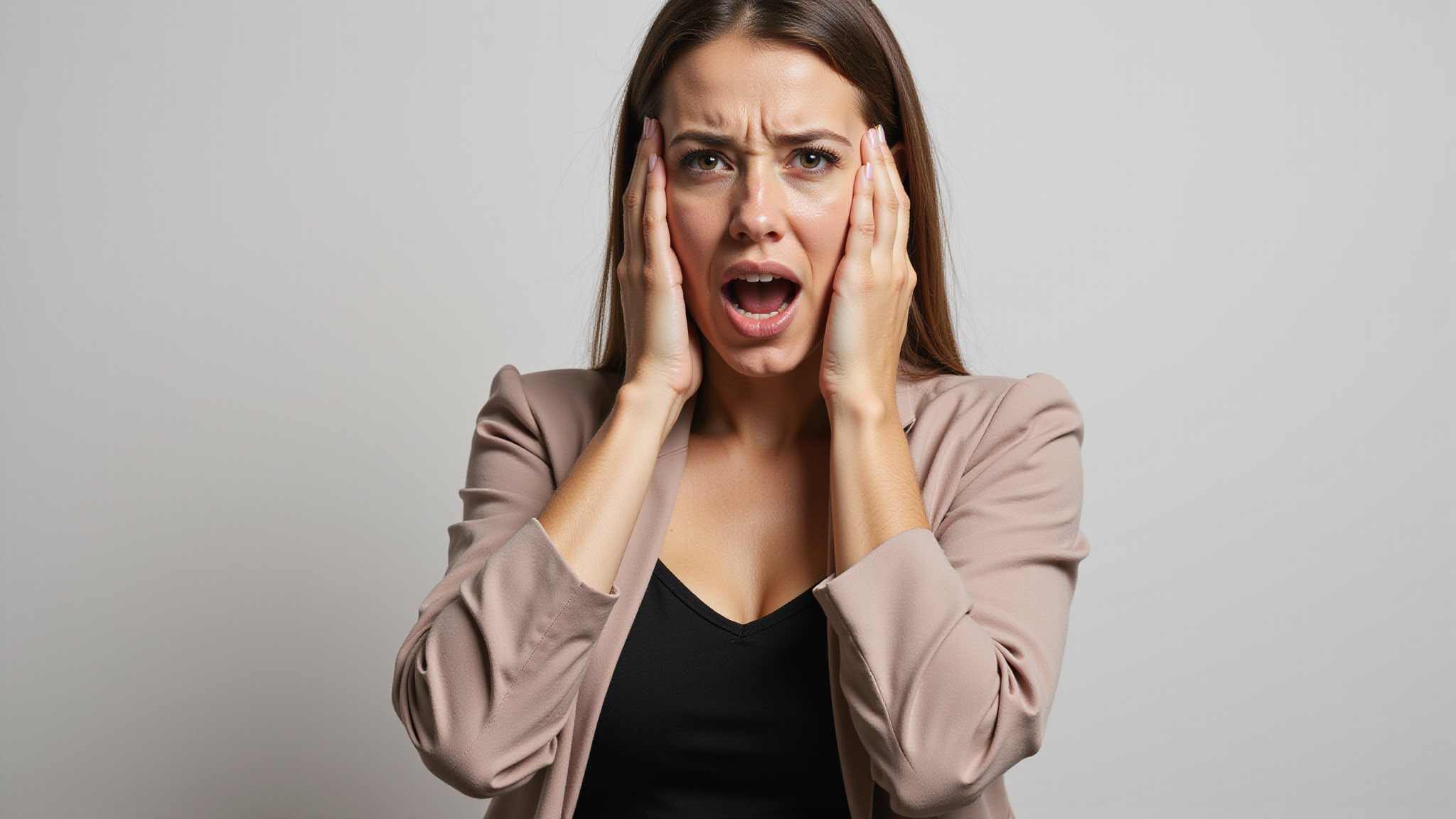
The main difference between a panic attack and what people often call an “anxiety attack” is that only panic attack is a formal clinical term. Panic attacks are a recognized symptom pattern involving sudden, intense fear or discomfort that often reaches its peak within minutes and then gradually eases, though the overall experience can vary from person to person. “Anxiety attack” is a common phrase rather than a formal diagnosis and is usually used to describe periods of heightened anxiety that build gradually in response to stress, worry, or an anticipated problem. If your distress appears suddenly and feels overwhelming, it may resemble a panic attack; if it develops slowly and persists, it may reflect intense anxiety.
What a panic attack feels like
A panic attack usually begins suddenly, with intense fear or discomfort that rises quickly and often reaches its peak within minutes. You might experience a racing heart, shortness of breath, chest discomfort, trembling, dizziness, nausea, or a sense that things are unreal (derealization) or that you feel detached from yourself (depersonalization). Some people also fear losing control or dying during an episode. While panic attacks often ease after reaching their peak, the overall experience and any lingering effects can vary from person to person. Understanding these symptoms can help you recognize what is happening and respond with more confidence.
What an anxiety attack feels like

An anxiety attack feels like a gradual build of unease, often tied to a specific stressor or something you’re dreading, rather than a panic attack’s sudden surge. You might notice worry creeping in slowly, tightening its grip as the hours pass. Rather than a sharp physical spike, you’ll often feel muscle tension, restlessness, irritability, and fatigue that wear you down over time.
Your mind may fixate on an anticipated problem, a deadline, a health concern, or a difficult conversation, and the unease can linger for hours, days, or longer. The symptoms usually feel less intense than panic, but they’re more persistent and harder to shake.
If a clear trigger’s driving your distress and it’s rising gradually rather than exploding, that pattern points more toward anxiety than a panic attack.
How their symptoms compare
Panic and anxiety symptoms differ in intensity, speed, and duration. When you have a panic attack, you’ll likely notice a sudden surge of intense physical symptoms that peak within minutes. With anxiety, you’ll feel a slower buildup of tension and worry that lingers longer.
| Feature | Panic Attack | Anxiety Episode |
|---|---|---|
| Onset | Sudden, often unexpected | Gradual, tied to stressors |
| Intensity | Severe, overwhelming | Milder but persistent |
| Duration | 5, 20 minutes, sometimes up to an hour | Hours, days, or longer |
You might experience a racing heart, chest discomfort, or fear of losing control during panic. With anxiety, you’ll more often feel muscle tension, restlessness, irritability, and ongoing dread.
Why the distinction matters for treatment

The distinction between panic attacks and anxiety matters for treatment because each pattern responds to a different approach. When brief, intense surges dominate, treatment often targets the panic response itself and any fear of future attacks. When gradual, persistent worry drives your distress, care focuses on managing ongoing stressors and thought patterns.
Which pattern fits guides decisions like these:
- Therapy focus: Panic-focused work may address bodily sensations and avoidance, while anxiety-focused care targets chronic worry.
- Medication choices: Your clinician may weigh options differently depending on whether episodes are sudden or sustained.
- Coping skills: Grounding techniques can interrupt panic, and stress-reduction strategies ease prolonged anxiety.
Sharing your specific pattern helps your clinician tailor treatment that actually fits your experience.
When to seek professional help
Seek professional help when certain signs appear, even though an occasional panic attack or bout of worry doesn’t always require professional care. If you’re having repeated panic attacks, or you’ve started avoiding places and situations to prevent them, you may be dealing with panic disorder rather than isolated episodes. Persistent worry that lasts across days or weeks and interferes with work, relationships, or daily functioning also warrants evaluation. Don’t overlook physical symptoms: recurrent chest pain, fainting, or breathing trouble deserves medical attention, since these can overlap with physical illness. A clinician can clarify what you’re experiencing and match you with effective treatment. Reaching out isn’t a sign of weakness. It’s a practical step toward relief when symptoms feel overwhelming, frequent, or hard to manage alone.
How Élevé Wellness treats panic and anxiety disorders
Élevé Wellness treats panic and anxiety disorders with a thorough evaluation that distinguishes panic attacks from ongoing anxiety, so your care matches your symptoms rather than a label. From there, your clinician builds a plan grounded in evidence-based methods:
- Cognitive behavioral therapy to reframe the thoughts fueling panic and worry, plus exposure work when avoidance limits your life.
- Medication management when appropriate, carefully monitored to ease acute panic or persistent anxiety.
- Skills for regulation, including breathing techniques, grounding, and stress-reduction strategies you can use between sessions.
You’ll never navigate this alone. Your progress guides each adjustment, and support stays consistent as symptoms improve over time.
Get Support for Panic and Anxiety Symptoms
Panic attacks and ongoing anxiety can feel overwhelming, especially when symptoms begin affecting your daily life, relationships, or sense of control. Élevé Wellness provides evidence-based anxiety treatment, including therapy, medication management when appropriate, and support for co-occurring mental health concerns. Call (833) 902-7098 or verify your insurance today to explore your treatment options.
Frequently Asked Questions
Can Panic or Anxiety Attacks Happen While You’re Sleeping?
Yes, you can experience panic attacks while sleeping these are called nocturnal panic attacks. You might wake suddenly with a racing heart, shortness of breath, chest discomfort, or intense fear, often without an obvious trigger. Anxiety can also disrupt your sleep, keeping worry running or making you restless, though it typically builds more gradually. If nighttime episodes recur, it’s worth talking with a clinician to rule out other causes.
Are Panic and Anxiety Attacks Hereditary or Genetically Linked?
Yes, there’s often a genetic component. If a close family member experiences panic attacks or an anxiety disorder, you’re at somewhat higher risk yourself. Research suggests heredity influences how your brain and nervous system respond to stress and fear. Still, genes aren’t destiny your environment, life stressors, and coping patterns matter too. Having a family history doesn’t guarantee you’ll struggle, and effective treatments can help regardless of your genetic background.
Can Children and Teenagers Experience Panic or Anxiety Attacks?
Yes, children and teenagers can experience both panic attacks and anxiety. You might notice sudden, intense episodes with a racing heart, shortness of breath, or fear that peaks within minutes, or you might see more gradual, prolonged worry tied to school, friendships, or family changes. Younger kids often show physical complaints, irritability, or clinginess instead of naming their feelings. If episodes recur or disrupt daily life, seek a professional evaluation.
Do Certain Foods or Medications Trigger Panic Attacks?
Yes, certain substances can trigger panic attacks. Caffeine is a common culprit, so you might notice symptoms after too much coffee, tea, or energy drinks. Alcohol withdrawal can also provoke attacks, as can some medications and stimulants. If you’re sensitive, intense physical reactions may surge quickly. Track what you consume before episodes, and talk with your doctor if you suspect a link they can help you adjust safely and rule out other causes.
Can Panic or Anxiety Attacks Cause Long-Term Physical Health Problems?
A single panic or anxiety attack won’t damage your body, but ongoing, untreated distress can wear you down over time. You might notice persistent muscle tension, fatigue, sleep problems, or digestive upset. Chronic stress may also strain your heart and immune system. If you’re experiencing recurrent chest pain, fainting, or breathing trouble, please seek medical evaluation, since those symptoms can overlap with physical illness. Getting support early helps protect your long-term health.