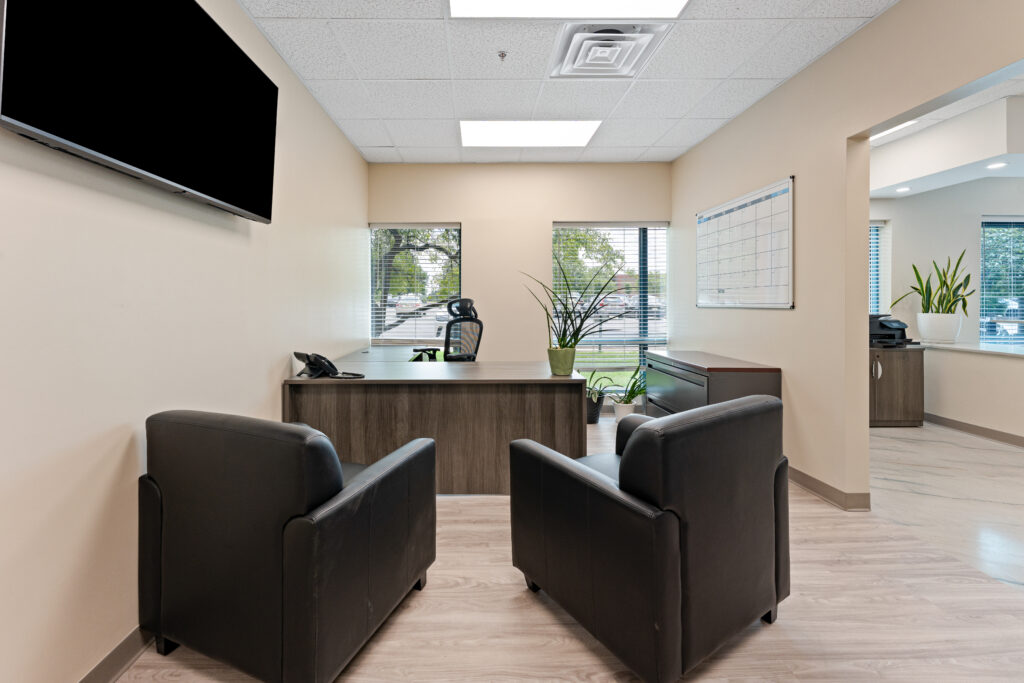
Dual diagnosis treatment at Élevé Wellness treats a mental health condition and a substance use disorder at the same time, in one plan, for adults across New Jersey. It runs through our partial care, IOP and outpatient programs at 105 Raider Blvd in Hillsborough, with the intensity set to where you are. We verify your benefits in 15 minutes.
What dual diagnosis means
Dual diagnosis, also called co-occurring disorders, is when a mental health condition and a substance use disorder happen together. Depression alongside alcohol use. Anxiety alongside benzodiazepines. PTSD alongside opioids. One drives the other, which is why treating them separately tends to fail.
The mechanism is a loop. Someone drinks to quiet anxiety; the drinking worsens the anxiety the next day; the sharper anxiety drives more drinking. The same loop runs with benzodiazepines prescribed for panic that deepen dependence, or with opioids that numb trauma while blocking the processing that would resolve it. In each case the two conditions are not two separate problems sitting side by side. They feed each other, and the feedback is what makes co-occurring conditions harder to treat than either one alone.
Left unaddressed, that loop is also the most common reason treatment does not hold. Treat only the substance use, and the untreated anxiety, depression or trauma pulls the person back toward it. Treat only the mental health condition, and continued substance use blunts the medication and undermines the therapy. Dual diagnosis treatment breaks the loop by working both sides at once.

Why co-occurring conditions are treated together
Treating a mental health condition and substance use separately often means one undoes the progress of the other. Integrated treatment targets the cycle between them, which is why it is the standard of care for co-occurring disorders.
How common is the overlap? Of the 85,266 people who sought addiction treatment in New Jersey in 2022, 49,635 roughly 58 percent also had a diagnosed mental illness, according to state data. For most people in addiction treatment, in other words, a co-occurring condition is not the exception. It is the norm, and a program that treats only the substance use is treating only half of what the majority of its clients walk in with.
At Élevé, dual diagnosis care is not a separate track bolted onto addiction treatment. The same clinical team addresses both conditions inside a single plan, so the mental health work and the substance use work inform each other week to week. As your mental health stabilizes, the substance use treatment holds better. As the substance use comes under control, the mental health work reaches deeper. The two move together instead of pulling against each other.
Who dual diagnosis treatment is for
This is the right care for adults managing both a mental health condition and substance use, whether you arrived knowing both were present or came in for one and found the other underneath it.
We treat adults 18 and over. Dual diagnosis treatment fits you if a mental health condition and substance use are tangled together, and if earlier attempts to treat just one of them did not last. If you are not certain both are present, the intake assessment settles it. It is common to come in naming a single problem the drinking, the panic attacks and leave the assessment understanding how the two have been driving each other.
Conditions we treat
We treat co-occurring mental health and substance use conditions, including:
- Depression and mood disorders alongside substance use
- Anxiety and panic disorders alongside substance use
- Trauma and PTSD alongside substance use
- Bipolar disorder alongside substance use
- Alcohol use with any co-occurring mental health condition
- Opioid, benzodiazepine and stimulant use with a co-occurring mental health condition
If your situation is not listed here, call (833) 902-7098 and the assessment will map it.
How dual diagnosis treatment works at Élevé
Care begins with an intake assessment that identifies both conditions, maps how they interact, and sets the starting level of care. From there, dual diagnosis treatment is delivered across all three levels of our outpatient continuum, with intensity matched to what both conditions require right now.
Partial care is full-day programming several days a week, for adults who need daily structure while both conditions are still unstable. Our intensive outpatient program runs several sessions a week, combining group, individual and family work around your responsibilities. Our outpatient program runs one to two sessions weekly for ongoing support once both conditions are steadier.
The three levels share one team and one building, so moving between them is a change of intensity, not a change of provider. You are not discharged from one program and enrolled in another; your plan follows you, and the clinicians who know both sides of your case stay with it. For dual diagnosis that continuity is not a convenience it is what keeps the mental health and substance use work coordinated as your needs shift.
Levels of care for dual diagnosis
| Partial Care | IOP | Outpatient |
Intensity | Full day, several days a week | A few hours, several days a week | 1, 2 sessions weekly |
Best for | Both conditions unstable | Stabilizing, around work or family | Both steadier, ongoing support |
Format | Primarily in person | In person or telehealth | In person or telehealth |
Therapies we use
Our clinical team uses cognitive behavioral therapy (CBT), dialectical behavior therapy (DBT) and EMDR, chosen to fit how your two conditions interact rather than applied from a fixed template.
CBT works on the thoughts and behaviors that link the mental health condition to the substance use, and builds new responses on both sides of that link. DBT develops emotional regulation and distress tolerance, and fits people whose substance use is tied to intense emotions or self-harm urges, including adults managing bipolar disorder. EMDR is structured trauma therapy for people whose substance use sits on top of unresolved trauma or PTSD, delivered by clinicians trained in the protocol.
Group therapy runs throughout treatment, and family sessions bring the people around you into the work. When it is clinically appropriate, psychiatric evaluation and medication management are part of the plan. In dual diagnosis this is often the pivot point: the right medication for the depression, anxiety or bipolar disorder can be what finally makes the substance use treatable, and getting it right requires clinicians who are watching both conditions at once.
Insurance and cost
Most commercial insurance covers treatment for co-occurring disorders, with your out-of-pocket cost set by your plan’s deductible and copay. We verify your benefits on any plan in 15 minutes, free and confidential, so you know your coverage before you start.
If you are paying out of pocket, or your plan is out of network, we walk you through the options before you commit to anything.
Dual diagnosis care in Hillsborough and across New Jersey
The need is well documented at the county level. Among Somerset County residents admitted for substance use treatment in 2023, alcohol was the primary substance for 52 percent and heroin for 23 percent, according to the New Jersey Division of Mental Health and Addiction Services and statewide, most of the people behind figures like these carry a co-occurring mental health condition alongside the substance use.
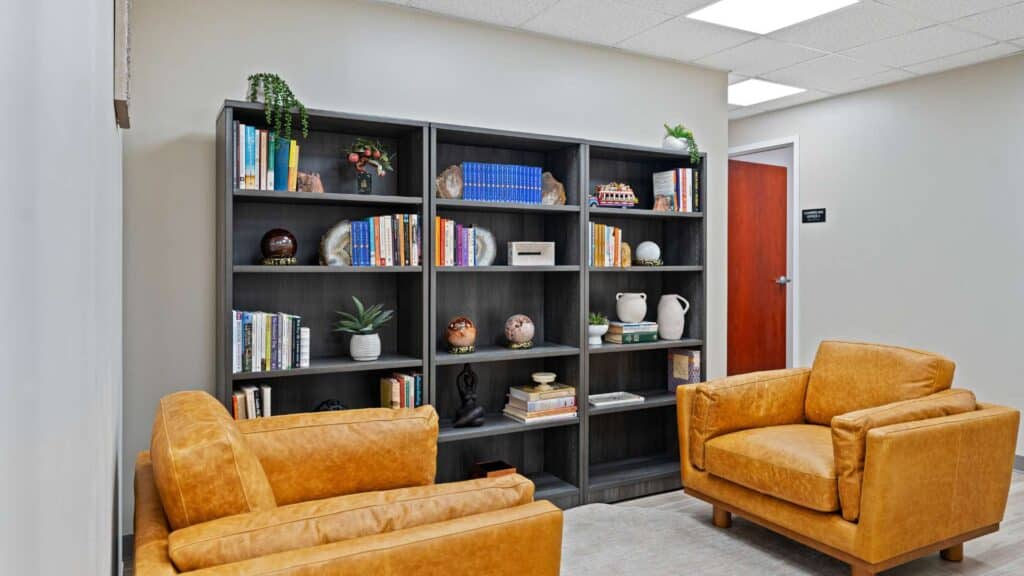
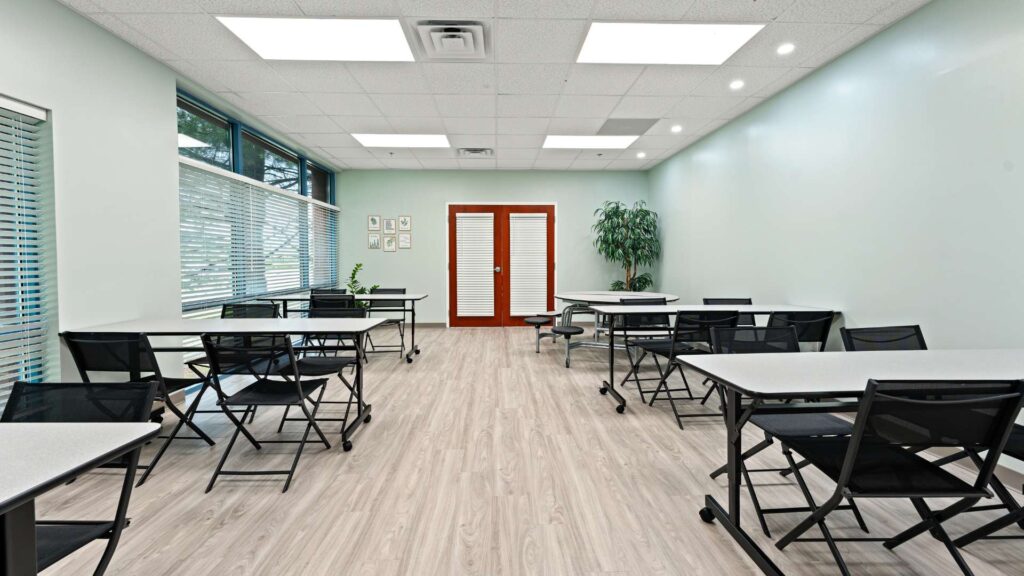
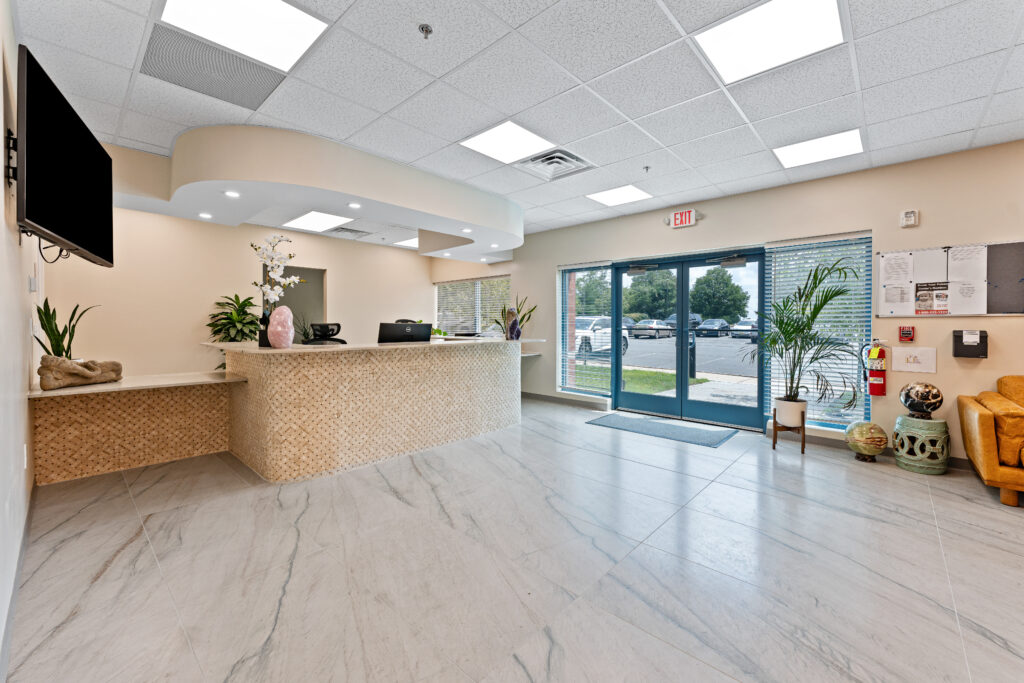
Our facility is at 105 Raider Blvd, Suite 100, in Hillsborough Township, serving adults across Somerset County and the surrounding area. IOP and outpatient sessions are available by telehealth across New Jersey, which matters in dual diagnosis, where steady access to the same team is part of what makes integrated treatment work. Partial care runs primarily in person.
Frequently asked questions
What is the difference between dual diagnosis and co-occurring disorders?
They are two names for the same thing: a mental health condition and a substance use disorder present at the same time, treated together in one plan.
Do you treat both conditions at once, or one first?
Both at once. Treating them in sequence usually lets the untreated condition undermine progress on the other, which is exactly why integrated care is the standard for dual diagnosis.
Which mental health conditions do you treat alongside substance use?
Depression, anxiety, bipolar disorder, PTSD and trauma, among others, alongside alcohol, opioid, benzodiazepine and stimulant use.
Will I see a psychiatrist or receive medication?
When it is clinically appropriate, psychiatric evaluation and medication management are part of your plan. In dual diagnosis this is often central, because the right medication for the mental health condition can be what makes the substance use treatable.
Do I need detox first?
It depends on the substance and how long you have been using it. The intake assessment establishes whether detox comes first, before you start a program here.
Can I do dual diagnosis treatment by telehealth?
IOP and outpatient are available by telehealth across New Jersey. Partial care runs primarily in person, because it fills the day.
Not sure if dual diagnosis treatment is right for you?
Sorting out whether two conditions are connected is hard to do alone, and you do not have to. A short conversation with our team is enough to understand what you are facing and which level of care fits.
Start your assessment
Treating both conditions starts with one conversation. Call Élevé Wellness at (833) 902-7098 or verify your insurance online, and we will help you book a co-occurring disorders assessment in Hillsborough.
Medically reviewed by Amanda Keefe, LPC, LCADC
Amanda Keefe is the Deputy Director of Clinical & Quality at Élevé Wellness, a Licensed Professional Counselor (LPC) and Licensed Clinical Alcohol and Drug Counselor (LCADC) with training in trauma-informed care and EMDR. She oversees clinical quality across Élevé’s outpatient programs in Hillsborough, NJ.
Do you treat adolescents?
No. Our dual diagnosis programs serve adults 18 and over.
Not sure if dual diagnosis treatment is right for you?
Sorting out whether two conditions are connected is hard to do alone, and you do not have to. A short conversation with our team is enough to understand what you are facing and which level of care fits.
Start your assessment
Treating both conditions starts with one conversation. Call Élevé Wellness at (833) 902-7098 or verify your insurance online, and we will help you book a co-occurring disorders assessment in Hillsborough.
Medically reviewed by Amanda Keefe, LPC, LCADC
Amanda Keefe is the Deputy Director of Clinical & Quality at Élevé Wellness, a Licensed Professional Counselor (LPC) and Licensed Clinical Alcohol and Drug Counselor (LCADC) with training in trauma-informed care and EMDR. She oversees clinical quality across Élevé’s outpatient programs in Hillsborough, NJ.
How soon can I start?
Call (833) 902-7098 to schedule an assessment, and benefits verification runs alongside it.
No. Our dual diagnosis programs serve adults 18 and over.
Not sure if dual diagnosis treatment is right for you?
Sorting out whether two conditions are connected is hard to do alone, and you do not have to. A short conversation with our team is enough to understand what you are facing and which level of care fits.
Start your assessment
Treating both conditions starts with one conversation. Call Élevé Wellness at (833) 902-7098 or verify your insurance online, and we will help you book a co-occurring disorders assessment in Hillsborough.
Medically reviewed by Amanda Keefe, LPC, LCADC
Amanda Keefe is the Deputy Director of Clinical & Quality at Élevé Wellness, a Licensed Professional Counselor (LPC) and Licensed Clinical Alcohol and Drug Counselor (LCADC) with training in trauma-informed care and EMDR. She oversees clinical quality across Élevé’s outpatient programs in Hillsborough, NJ.
Not sure if dual diagnosis treatment is right for you?
Sorting out whether two conditions are connected is hard to do alone, and you do not have to. A short conversation with our team is enough to understand what you are facing and which level of care fits.
Start your assessment
Treating both conditions starts with one conversation. Call Élevé Wellness at (833) 902-7098 or verify your insurance online, and we will help you book a co-occurring disorders assessment in Hillsborough.

Medically reviewed by Amanda Keefe, LPC, LCADC
Amanda Keefe is the Deputy Director of Clinical & Quality at Élevé Wellness, a Licensed Professional Counselor (LPC) and Licensed Clinical Alcohol and Drug Counselor (LCADC) with training in trauma-informed care and EMDR. She oversees clinical quality across Élevé’s outpatient programs in Hillsborough, NJ.