






Xanax withdrawal can start within 6 to 24 hours of your last dose. You’ll likely notice anxiety, insomnia, tremors, sweating, and nausea first. Symptoms typically peak during Days 1 through 4, while seizure and delirium risk climbs between Days 2 and 7. If you’ve been taking Xanax regularly and may be physically dependent, do not stop it abruptly without speaking with a healthcare professional. A medically supervised taper assesses your dose, duration, and seizure risk, then monitors you through the danger zone. Here’s what safe detox involves.
Key Takeaways
- Withdrawal symptoms typically begin within 6 to 24 hours after the last dose due to alprazolam’s rapid clearance.
- Early symptoms include anxiety, restlessness, insomnia, and irritability, while severe cases may involve hallucinations, delirium, or seizures.
- Days 1 through 4 are usually the most uncomfortable, with peak seizure and complication risk falling between Days 2 and 7.
- Acute symptoms generally improve over 1 to 4 weeks, though anxiety and sleep issues may linger for months.
- Cold-turkey stopping is never recommended; a medically supervised taper with monitoring ensures safe detox and reduces life-threatening risks.
What are Xanax withdrawal symptoms

Xanax withdrawal symptoms include physical reactions like tremors, sweating, headaches, nausea, vomiting, diarrhea, muscle aches, and appetite loss, along with psychological effects like rebound anxiety, panic attacks, irritability, depression, confusion, and trouble concentrating. Because alprazolam is short-acting, you can notice symptoms within 6 to 24 hours of your last dose. Sleep suffers too, with insomnia, fragmented sleep, and vivid or disturbing dreams. You might also become more sensitive to light, sound, or touch, plus experience blurred vision or dizziness. In severe cases, you can develop hallucinations, delirium, psychosis, or seizures, complications that signal a dangerous course and require immediate medical evaluation.
Why Xanax withdrawal can be life-threatening
Xanax withdrawal can be life-threatening because alprazolam clears the body quickly, so stopping it abruptly can trigger severe rebound symptoms and dangerous complications within hours. Seizures and other serious complications can occur during acute withdrawal, particularly after abrupt discontinuation, and the timing varies from person to person, making this the most critical window for medical monitoring. Seizures can occur without warning and demand emergency evaluation. You may also develop hallucinations, delirium, or severe confusion, which signal a dangerous withdrawal course. Higher doses, long-term use, and prior withdrawal episodes raise your complication risk further. Co-occurring alcohol or substance use compounds these dangers. Unmanaged symptoms, particularly severe anxiety and prolonged sleep loss, also increase relapse risk, which can lead to accidental overdose. That’s why you shouldn’t treat any sudden stop after heavy or long-term use as routine self-detox; it’s a genuine medical risk requiring supervision.
What the withdrawal timeline looks like

The withdrawal timeline spans from a few hours after your last dose to several weeks or months. Because alprazolam is short-acting, your withdrawal symptoms can begin within 6 to 24 hours after your last dose. Early on, you’ll likely notice anxiety, restlessness, insomnia, and irritability as your body reacts to the drug’s rapid clearance.
Because alprazolam clears quickly, withdrawal can begin within 6 to 24 hours, often starting with anxiety, restlessness, and insomnia.
Days 1 through 4 are typically the most uncomfortable phase, with symptoms intensifying rather than easing. During this window, you may experience tremors, sweating, nausea, and rebound anxiety that feels sharper than before.
Your peak risk for severe complications, including seizures, often falls between Days 2 and 7. That’s why medical monitoring matters most during this stretch.
Acute symptoms usually improve over 1 to 4 weeks, though some lingering effects, such as anxiety or sleep disruption, can persist for months as your nervous system stabilizes.
Why seizures make unsupervised withdrawal dangerous
Seizures make unsupervised Xanax withdrawal dangerous because they can strike without warning and become life-threatening. Because alprazolam clears your system quickly, your brain’s suppressed excitatory activity rebounds sharply, and this neural overactivity can trigger convulsions during the acute window. Seizure risk peaks between Days 2 and 7, precisely when you’re least equipped to respond alone. Without monitoring, a seizure can cause injury, aspiration, or become life-threatening.
| Risk Factor | Effect on Seizure Risk |
|---|---|
| High daily dose | Increases intensity |
| Long-term use | Prolongs vulnerability |
| Prior withdrawal episodes | Raises recurrence |
| Concurrent alcohol use | Compounds danger |
| Abrupt discontinuation | Spikes acute risk |
Supervised tapering lets clinicians intervene fast, adjust medications, and prevent complications you can’t manage yourself.
Why you should never quit Xanax cold turkey
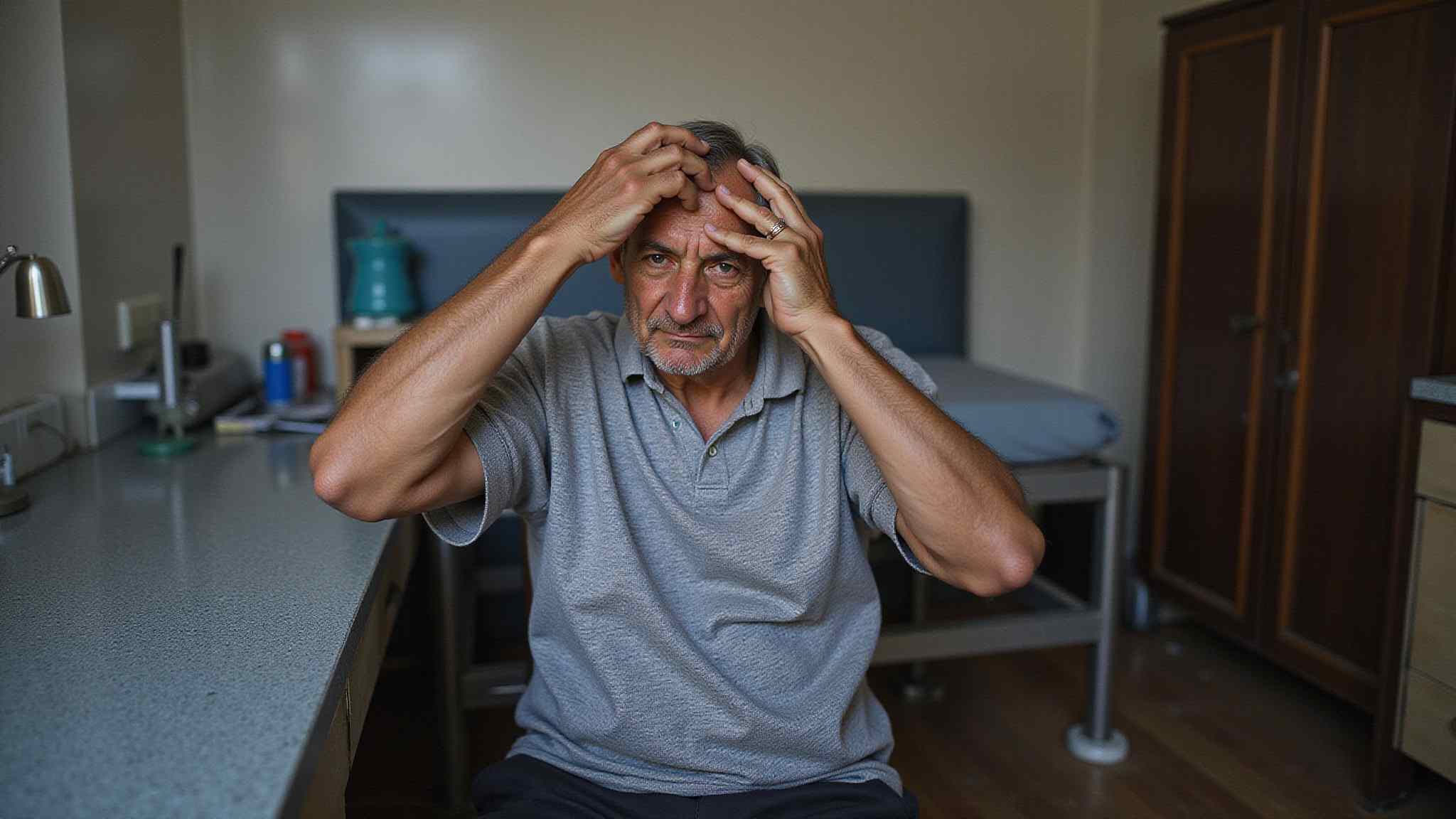
You should never quit Xanax cold turkey because it pushes your nervous system into exactly the crisis a supervised taper prevents. Because alprazolam is short-acting, it clears your body fast, triggering severe rebound symptoms within 6 to 24 hours. Without a gradual dose reduction, you lose the neurological buffer that keeps withdrawal manageable and safe.
Stopping abruptly raises your risk of:
Quitting cold turkey can trigger seizures, hallucinations, severe rebound panic, and dangerous cardiovascular strain all preventable with a supervised taper.
- Seizures, which peak during Days 2 to 7 and require emergency care.
- Delirium, hallucinations, or psychosis, signaling a dangerous withdrawal course.
- Severe rebound anxiety and panic, intensifying relapse risk.
- Cardiovascular strain, including chest pain and uncontrolled tremors.
A supervised taper lowers your dose incrementally, letting your nervous system recalibrate. If you’ve used Xanax heavily or long-term, treat sudden discontinuation as a medical risk.
What a medically supervised taper involves
A medically supervised taper starts with a thorough assessment of your dose, duration of use, and seizure risk. From there, your provider builds a gradual dose-reduction schedule rather than stopping abruptly. If you’ve used Xanax long-term or at higher doses, you’ll typically follow a slower taper to limit rebound symptoms and seizure risk.
Your team monitors you throughout, adjusting the pace when symptoms intensify. Supportive care often includes hydration, sleep support, and symptom management, plus mental health treatment for underlying anxiety or depression. Depending on your dependence level, you’ll taper through closely monitored outpatient care or inpatient detox for higher-risk cases. This structured approach controls withdrawal, reduces complications, and lowers your relapse risk during the most vulnerable window.
How Élevé Wellness supports safe benzodiazepine withdrawal
Élevé Wellness supports safe benzodiazepine withdrawal using evidence-based protocols that make tapering safer, starting with a detailed intake assessment of your dose, duration of use, and seizure risk. From there, we calibrate a taper matched to your dependence level and monitor you through the highest-risk window, Days 2 to 7, when seizure and delirium risk peak.
Your plan includes:
- Individualized tapering based on your dose, duration, and prior withdrawal history.
- Close monitoring during acute withdrawal, with escalation to inpatient care when risk is high.
- Symptom management, including hydration, sleep support, and rebound-anxiety control.
- Integrated mental health treatment for co-occurring anxiety, depression, or panic disorder.
We treat abrupt discontinuation as a medical risk, not a routine self-detox.
Updated with the phone number, insurance verification, and Trauma Treatment:
Get Support for Xanax Withdrawal and Trauma
Xanax withdrawal can become dangerous, especially if you have been taking it regularly or at higher doses. Élevé Wellness can assess your withdrawal risk, determine whether a supervised taper is appropriate, and provide Trauma Treatment when underlying trauma is affecting substance use or anxiety. Call (833) 902-7098 today or verify your insurance to learn more about available treatment options.
Frequently Asked Questions
Can I Drink Alcohol While Going Through Xanax Withdrawal?
No, you shouldn’t drink alcohol during Xanax withdrawal. Combining alcohol with benzodiazepine withdrawal complicates your symptoms and raises serious safety concerns, including a higher seizure risk during the acute window. Alcohol affects the same brain systems as alprazolam, so it can worsen your withdrawal course and mask dangerous warning signs. You’ll want medical supervision instead, with supportive care and monitoring. If you’ve been drinking heavily, tell your provider immediately for safer management.
Does Xanax Withdrawal Cause Long-Term Brain Damage?
You won’t typically get long-term brain damage from Xanax withdrawal itself. Most acute symptoms improve over 1 to 4 weeks, though some lingering effects like anxiety, insomnia, or trouble concentrating can persist for months. The real danger is seizures during the acute window, which can cause complications if they’re severe or untreated. That’s why you shouldn’t stop abruptly supervised tapering lowers your risk and protects your recovery. Seek medical monitoring.
Are There Natural Supplements That Ease Benzodiazepine Withdrawal?
You shouldn’t rely on natural supplements to manage benzodiazepine withdrawal, since none are proven to prevent serious risks like seizures. Some people try magnesium, melatonin, or valerian for sleep and anxiety, but evidence is weak and quality varies. Certain supplements can even interact with medications or mask dangerous symptoms. Your safest approach is a supervised taper with medical monitoring. Always clear any supplement with your prescribing clinician first.
Can I Switch to a Longer-Acting Benzodiazepine During Tapering?
Yes, you can switch to a longer-acting benzodiazepine during tapering, but only under medical supervision. Clinicians often move patients from short-acting alprazolam to a longer-acting agent because it produces steadier blood levels and smoother, safer dose reductions. This approach can reduce sharp symptom peaks and seizure risk. Don’t attempt this conversion yourself your prescriber calculates equivalent dosing, sets the taper schedule, and monitors you for withdrawal or complications throughout.
Does Insurance Typically Cover Benzodiazepine Detox Programs?
Insurance often covers benzodiazepine detox, but your specific coverage depends on your plan, provider network, and documented medical necessity. You’ll typically find coverage for medically supervised detox when it’s deemed essential, especially for high-risk withdrawal. Verify your benefits directly with your insurer, and ask about inpatient versus outpatient options, deductibles, and pre-authorization requirements. Confirm the facility’s in-network status too, since that’ll substantially affect your out-of-pocket costs.