






When you use an anxiety pen, you may experience immediate anxiety pen side effects like drowsiness, dizziness, dry mouth, and coordination impairment. However, the long-term consequences are more concerning, research links continued use to chronic lung inflammation, small airway fibrosis, and psychological dependence that undermines sustainable coping skills. You’ll also face contamination risks from unregulated products and potential medication interactions. Understanding each of these risks can help you make informed decisions about your anxiety management.
Common Side Effects You May Notice After Using an Anxiety Pen
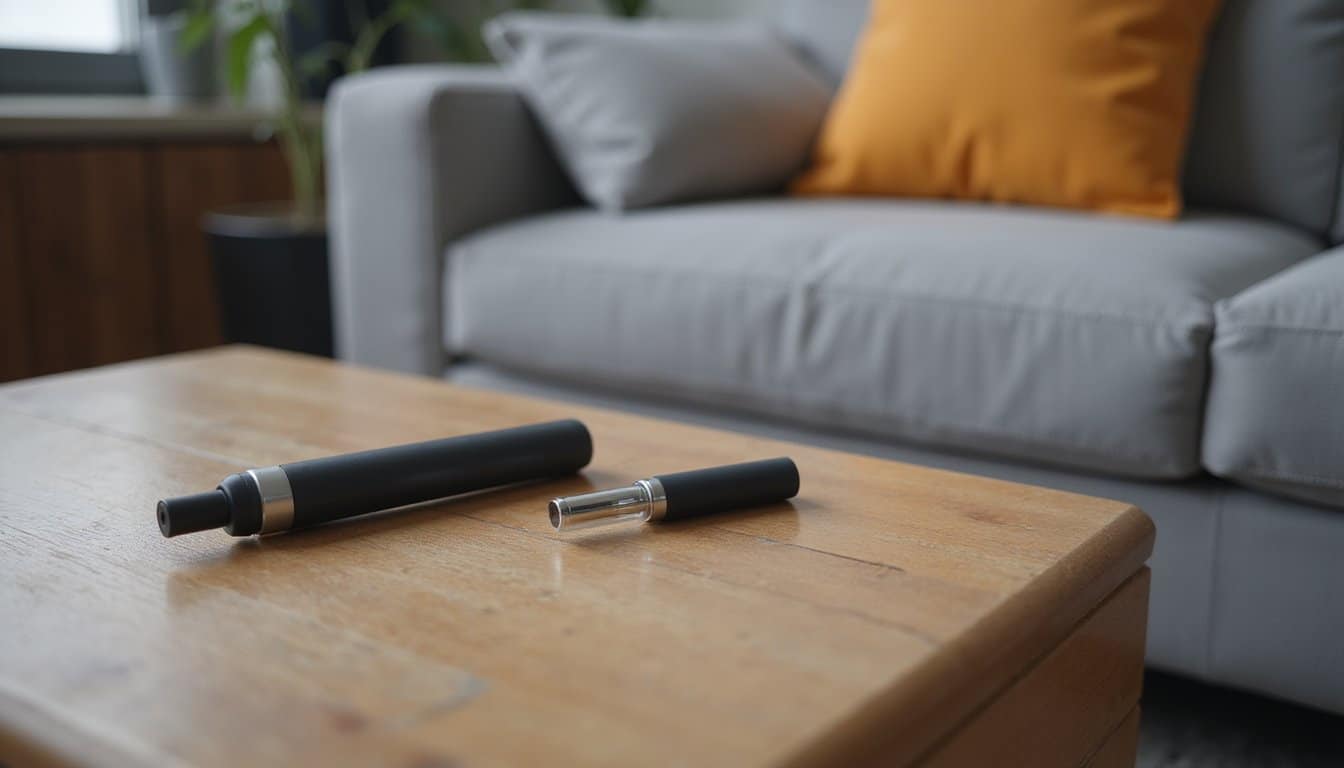
Most anxiety pen users experience at least one or two side effects during initial use, though severity varies based on the product’s active ingredients. You’ll likely notice drowsiness or fatigue as the most frequently reported anxiety pen side effects, particularly with CBD-based formulations.
Dizziness and lightheadedness occur commonly, especially when you first stand up after use. You may also experience headaches, dry mouth, or mild nausea. These symptoms typically diminish as your body adjusts. Some users also report blurred vision as an additional common side effect during the adjustment period.
Is anxiety pen harmful? The answer depends on frequency and duration of use. Are anxiety pens safe for everyone? Current evidence suggests caution, as coordination impairment and confusion can develop with certain formulations. Monitor your response carefully and consult a healthcare provider if symptoms persist.
How Anxiety Pens Can Make Your Anxiety Worse
While anxiety pens promise relief, they can paradoxically intensify the very symptoms you’re trying to manage. Among the most significant anxiety vapes side effects is the nicotine-cortisol-spike phenomenon, nicotine elevates your body’s primary stress hormone, triggering increased heart rate and blood pressure that mimic panic attack symptoms.
Lung irritation from inhaled substances creates physical distress that heightens your anxiety response. Contaminants like heavy metals or pesticides provoke inflammatory reactions, further fueling anxious states. Additionally, safety and quality control of these vaping devices remains a significant concern, as products are largely untested despite being marketed as “science-backed.”
THC-containing pens pose additional risks, with approximately 70% of cannabis vapers reporting weekly anxiety symptoms, including paranoia and panic attacks. The temporary relief these products provide fails to address underlying causes, creating rebound anxiety cycles. You’ll likely experience intensified symptoms when effects wear off, perpetuating dependence without building genuine coping mechanisms. THC-containing pens pose additional risks, with approximately 70% of cannabis vapers reporting weekly anxiety symptoms, including paranoia and panic attacks. Some products marketed as cod vape pen for anxiety claim to offer quick relief, but the temporary effects often fail to address underlying causes. As a result, rebound anxiety cycles can develop, where symptoms intensify once the effects wear off, potentially reinforcing dependence rather than building genuine coping mechanisms.
The Dependency Risk: When Anxiety Pens Become a Crutch

When you reach for an anxiety pen every time stress arises, you bypass opportunities to develop sustainable coping strategies like breathing techniques, cognitive reframing, or mindfulness practices. This reliance can create a psychological dependence where the device feels essential, research shows users describe losing their vape pen as equivalent to losing a cellphone. Studies show that dual vapers who use both nicotine and THC products were significantly more likely to indicate addiction compared to those who vaped nicotine only. Over time, this crutch mentality may delay you from seeking professional treatment that addresses anxiety’s root causes rather than temporarily masking symptoms.
Hindering Healthy Coping Skills
Although anxiety pens may provide immediate symptom relief, regular use can interfere with your ability to develop lasting coping skills. When you rely on aerosol inhalation to manage stress, you bypass opportunities to build genuine anxiety-management techniques like cognitive restructuring or exposure therapy.
Are anxiety sticks bad for you from a psychological standpoint? The evidence suggests they reinforce avoidance behaviors. Each time you reach for a device containing propylene glycol or vegetable glycerin instead of confronting discomfort, you strengthen dependency patterns while undermining natural stress-response pathways.
The anxiety vape risks extend beyond physical health. Your emotional regulation capacity diminishes when you outsource anxiety management to external tools. This reliance reduces motivation to pursue evidence-based treatments like CBT, ultimately compromising long-term psychological resilience and recovery potential. Recent discussions around whether anxiety pens are anxiety pens safe have raised awareness about their potential side effects. While some users report immediate relief, others experience increased anxiety or dependency on these devices. It’s essential to consider these factors before incorporating anxiety pens into a personal wellness routine.
Delaying Professional Treatment
Dependency on anxiety pens develops gradually, often without users recognizing the shift from occasional relief to psychological reliance. You may believe these devices adequately manage your symptoms, which delays seeking evidence-based clinical interventions. Limited fda regulation of many anxiety pen products compounds this risk, as inconsistent labeling obscures what you’re actually inhaling.
This dependency pattern creates specific barriers to treatment:
- You may neglect responsibilities at work, school, or in relationships, postponing professional evaluation
- Hiding or minimizing your substance use prevents accurate self-assessment
- Over-reliance fosters the false perception that pens substitute for therapy
- Continuing use despite negative consequences perpetuates avoidance of clinical care
Your underlying anxiety disorder may worsen without proper diagnosis. Masking symptoms with unregulated products delays identification of conditions requiring specialized psychiatric treatment.
Long-Term Lung Damage From Anxiety Pen Use
When you use anxiety pens repeatedly over months or years, you’re exposing your lung tissue to chronic inflammation that can lead to permanent structural damage, including small airway fibrosis similar to chemical inhalation injuries. Research shows that 48% of patients who experienced vaping-related lung injury still had respiratory limitations at their 12-month follow-up, with scarring that persisted even after they stopped vaping. Beyond acute injuries, cumulative exposure to aerosolized compounds and potential contaminants increases your risk of developing chronic conditions like asthma and bronchitis, while compromising your lungs’ immune defenses against respiratory infections.
Chronic Respiratory Tissue Damage
Because anxiety pens deliver aerosolized compounds directly into lung tissue, repeated use can trigger lasting structural changes that persist long after you stop vaping. Research shows chronic vaping causes small airway-centered fibrosis in affected patients, with constrictive bronchiolitis narrowing airways through bronchiolar wall scarring.
Clinical findings reveal damage patterns resembling chemical inhalation injury from noxious gases:
- Overexpression of MUC5AC mucus protein in airways
- Fibrosis localized consistently across lung tissue samples
- Bronchial epithelium and alveolar surfactant damage
- Partial reversal possible after cessation, though scarring remains
You should know that 48% of EVALI patients exhibited respiratory limitations at 12-month follow-up, even among young patients without prior health conditions. While pulmonary function tests may improve after quitting, complete tissue recovery isn’t guaranteed once structural damage occurs.
Cumulative Contaminant Exposure Effects
Repeated anxiety pen use exposes your lungs to a cumulative burden of contaminants that can cause lasting damage beyond the effects of any single session. Each inhalation delivers propylene glycol degradation products like methylglyoxal and acetaldehyde directly into your respiratory tissue. These toxins disrupt mitochondrial function and weaken cellular structures at realistic exposure levels.
Your lungs face compounding stress with continued use. Aged vape plumes damage tissue and reduce respiratory function over time. Research shows vaping compromises your lung’s immune defenses, increasing susceptibility to infections. Female users may experience heightened inflammatory responses to repeated exposures.
The cumulative effect manifests as chronic inflammation, excessive secretions, and measurable respiratory decline. Long-term users face elevated risks of developing bronchitis and asthma, regardless of whether their anxiety pen contains nicotine.
Contamination and Mislabeling Problems You Can’t See
Although anxiety pens may appear safe based on their packaging, independent laboratory testing reveals contamination problems you can’t detect without specialized equipment.
Independent lab testing exposes hidden contaminants in anxiety pens that sleek packaging and visual inspection simply cannot reveal.
Research examining 202 CBD products found widespread issues:
- Heavy metals detected 52 times, with lead present in 42 products, some exceeding regulatory thresholds by significant margins
- Residual solvents found 446 times, with 19 products violating state hemp regulations
- Pesticides discovered in 30 products, with 17 violating safety standards
- Majority of products contained inaccurate labeling for cannabinoid content
You can’t verify purity through visual inspection alone. Independent tests confirm many cannabinoid vapes contain less CBD than advertised while harboring undetected contaminants. Without uniform quality control measures across the industry, you’re fundamentally relying on manufacturers’ claims. The FDA has noted ongoing safety concerns with cannabis-derived products, reinforcing the need for improved regulatory oversight.
Medications That Don’t Mix Safely With Anxiety Pens
When you use anxiety pens containing CBD or other cannabinoids alongside prescription medications, you’re introducing compounds that can alter how your body processes those drugs.
CBD blocks the CYP2D6 enzyme, which decreases metabolism of SSRIs and tricyclic antidepressants, raising their blood levels and intensifying side effects like drowsiness and sleep disturbances. Combining CBD with benzodiazepines creates compounded CNS depression, increasing risks of extreme sedation and respiratory complications.
Opioid interactions present serious dangers. The FDA requires boxed warnings on opioids regarding CNS depressant combinations due to elevated fatal overdose risk, 2.33 to 3.86 times higher with benzodiazepine combinations. CBD’s similar depressant properties suggest comparable hazards.
Blood thinners also interact through CYP enzyme interference, potentially causing toxic accumulation or reduced effectiveness. Consult your healthcare provider before combining anxiety pens with any prescription medication.
Why Anxiety Pens Pose Extra Risks for Teens
Because adolescent brains remain in active development, teens face heightened vulnerability to the neurological effects of inhaled substances found in anxiety pens. Chronic cannabinoid exposure during critical developmental periods can cause lasting cognitive and emotional deficits. Research shows approximately 70% of THC-only vapers report anxiety symptoms, compared to 40% of non-vapers.
Key risks for adolescent users include:
- Doubled risk of developing anxiety disorders with cannabis use before age 15
- Over fivefold increase in depression and anxiety odds among daily female users
- Long-lasting neuropsychiatric effects, particularly pronounced in females
- Respiratory damage to still-developing lung tissue
Self-medication patterns often worsen the mental health conditions you’re attempting to treat. Health professionals can’t responsibly recommend anxiety pens as safe or proven treatments for teens. can minors use anxiety pens raises significant questions about their effectiveness and safety. Ensuring that teenagers have access to proper mental health resources is crucial. It is essential to explore alternative therapeutic approaches that are both effective and appropriate for younger individuals.
What’s Actually in Your Anxiety Pen?
If you’ve ever wondered what compounds enter your lungs when you inhale from an anxiety pen, the answer isn’t straightforward. Formulations vary widely between products, and labeling inconsistencies make risk evaluation difficult.
| Category | Common Ingredients | Notes |
|---|---|---|
| Cannabinoids | CBD, full-spectrum extracts | May contain up to 0.3% THC |
| Herbal Extracts | Chamomile, lavender, valerian | Limited inhalation safety data |
| Amino Acids | L-Theanine, B12 | Typically derived from green tea |
| Terpenes | Beta-linalool, d-limonene | May enhance CBD effects |
| Essential Oils | Peppermint, eucalyptus | Require COA verification |
You should verify that your product includes a certificate of analysis confirming nicotine-free status and batch testing. Without this documentation, you can’t confirm what you’re actually inhaling or assess potential long-term respiratory effects.
Proven Anxiety Treatments That Don’t Require Inhaling
Although anxiety pens offer convenience, they lack the robust clinical evidence supporting established therapeutic approaches. You’ll find stronger outcomes with methods backed by rigorous research.
Evidence-based alternatives include:
- Mindfulness-Based Stress Reduction, A 2022 JAMA Psychiatry study found MBSR as effective as Lexapro for treating anxiety
- Cognitive Behavioral Therapy, Considered first-choice treatment, it identifies and restructures negative thought patterns
- Breathing exercises, Freespira, an FDA-cleared device, left 86% of users panic-free after 28 days of guided sessions
- Physical practices, Exercise releases endorphins and reduces stress hormones without inhalation risks
These approaches don’t carry the respiratory concerns associated with vaping compounds into your lungs. They’ve undergone controlled trials demonstrating measurable, lasting benefits. Before choosing any anxiety treatment, you should consult a healthcare provider to evaluate options matching your specific needs.
Real Help Is Just One Call Away
If you or someone you love is experiencing the harmful side effects of anxiety pens, professional support can make all the difference. At Élevé Wellness, our Outpatient Treatment is designed to help you replace harmful coping habits with healthier, lasting solutions. Call (833) 902-7098 today and take the first step toward better health.
Frequently Asked Questions
Can Anxiety Pens Cause a Positive Result on Workplace Drug Tests?
Yes, anxiety pens can trigger a positive result on workplace drug tests. If your pen contains CBD derived from full-spectrum or broad-spectrum hemp, it likely contains trace THC, which standard urine panels detect. Up to 10% of CBD users test positive due to THC metabolites. You’ll reduce your risk by choosing THC-free isolate products or stopping use several weeks before screening. Consider disclosing any legitimate medical use to your employer beforehand.
Are Anxiety Pens Regulated by the FDA Like Other Medications?
The FDA doesn’t regulate anxiety pens the same way it regulates medications. Most anxiety pens containing CBD or herbal compounds remain unapproved new drugs, they haven’t undergone pre-market safety reviews. The FDA has specifically cited CBD vape pens making anxiety claims as violations of federal law. However, some medical devices like the Modius Stress have received 510(k) clearance for anxiety treatment, requiring a prescription. You should verify any product’s regulatory status before use.
How Quickly Do Anxiety Pen Effects Wear off After Use?
You’ll typically feel peak effects within 30 minutes of inhalation, with calming sensations lasting 1 to 3 hours before gradually tapering off. Your body chemistry, product potency, and usage frequency all influence this timeline. Most users regain complete mental clarity within 24 hours, though some report residual fatigue the following day. If you use these products regularly, cannabinoid accumulation may extend processing time, with full system clearance taking several days to weeks.
Can I Use Anxiety Pens While Pregnant or Breastfeeding?
You should avoid using anxiety pens while pregnant or breastfeeding. Limited safety data exists for inhaled compounds during pregnancy, and substances like cannabinoids or nicotine can cross the placental barrier and enter breast milk. If you’re managing anxiety during pregnancy, consult your healthcare provider about safer alternatives. They’ll evaluate your specific situation and recommend evidence-based treatments that minimize risks to both you and your baby.
Do Anxiety Pens Interact With Alcohol or Caffeine Consumption?
Yes, anxiety pens can interact with alcohol and caffeine. If your pen contains cannabinoids, alcohol may intensify sedation, impair coordination, and increase dizziness. Combining these substances heightens your risk of respiratory depression and accidents. Caffeine may counteract calming effects or worsen anxiety symptoms. You should avoid alcohol when using anxiety pens and monitor caffeine intake carefully. Consult your healthcare provider about specific interactions based on your pen’s active ingredients.