






Kratom isn’t FDA-approved, so you’re taking a risk with no safety guarantees. Low doses can feel stimulating, but higher doses bring sedation, nausea, and slowed breathing. Regular use can lead to addiction and opioid-like withdrawal. Rarely, you might face liver damage, seizures, or cardiac problems. Mixing kratom with alcohol or other drugs sharply raises your overdose risk. Contamination adds another threat. Keep going to learn exactly what these risks look like and how to spot them. Kratom overdose risk can be significantly heightened when taken in combination with other substances. It’s essential to understand the varying effects of different strains and how they may interact with your body.
Is Kratom Actually Safe to Use?
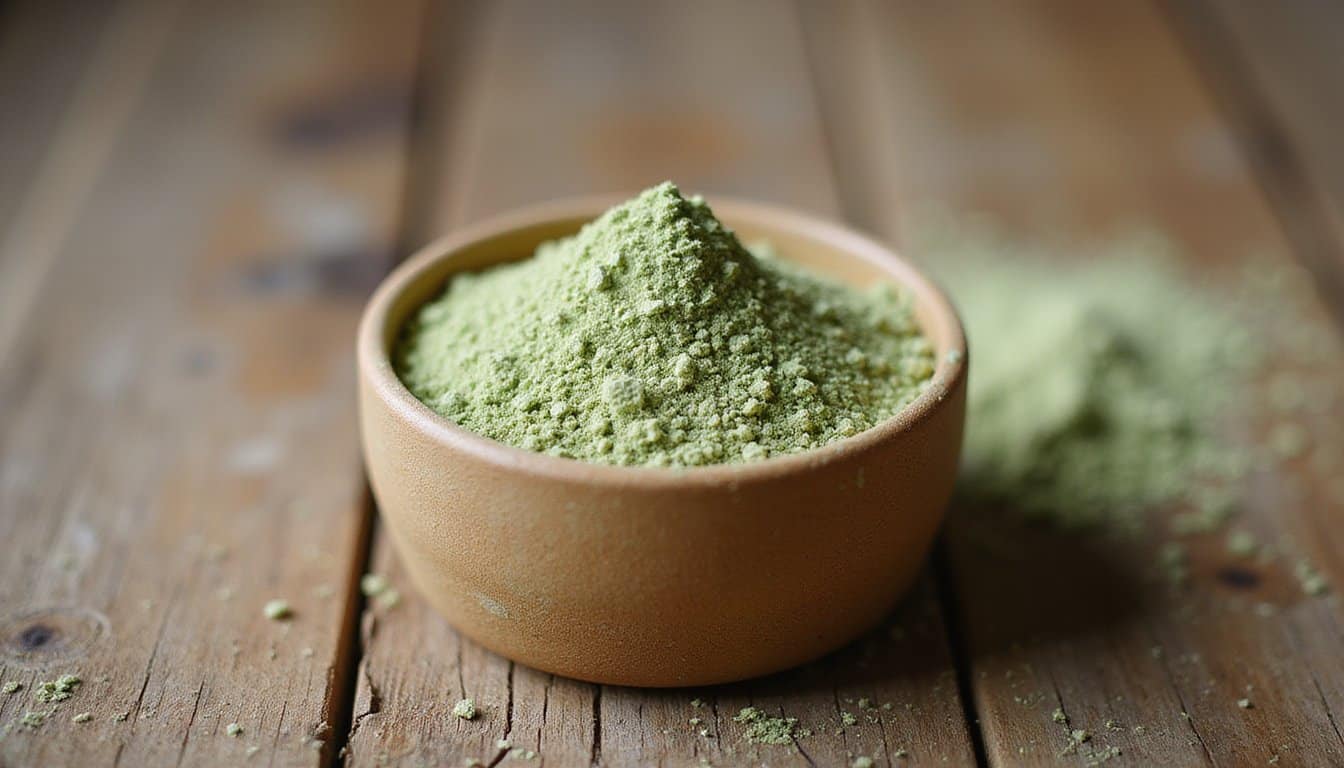
Why does a substance marketed as natural carry so much uncertainty? When you ask whether kratom is safe, the honest answer is that the evidence doesn’t support it. The FDA has approved no uses for kratom and warns consumers against it, while medical sources confirm it hasn’t been shown to be safe or effective. The DEA labels it a drug of concern.
The kratom risks become clearer with regular use. Kratom acts as an opioid-like substance at higher doses, and kratom dependence can develop, producing tolerance, addiction, and withdrawal similar to opioids. Some harms appear dose-related, meaning higher doses carry greater risk. Severe effects can lead to sedation or coma, similar to an opioid overdose.
What Side Effects Should You Expect From Kratom?
When you take kratom, you can expect a range of side effects that shift with the dose. At lower doses, you might feel stimulant-like alertness; at higher doses, sedation and pain relief become more likely. Commonly, you’ll experience nausea, vomiting, dizziness, drowsiness, constipation, headache, dry mouth, itching, and sweating. As the dose climbs, kratom dangers grow: confusion, agitation, anxiety, tremors, and, rarely, seizures or hallucinations. Your heart rate and blood pressure can rise, and at high exposure, shallow or slow breathing signals respiratory depression. Whether kratom is harmful also depends on quality, since kratom contamination with salmonella or heavy metals like lead adds unpredictable risk. With chronic use, you may face liver toxicity, weight loss, muscle pain, dependence, and withdrawal.
The Serious Risks That Can Send You to the ER

While most kratom side effects stay mild, some reactions can land you in the emergency room. At higher doses, kratom can cause opioid-like sedation and slowed breathing, and overdose, though rare, becomes far more likely when you combine it with alcohol or other drugs. You should also know that kratom has been linked to seizures, confusion, and even hallucinations, all of which are serious enough to warrant urgent care. Kratom use has also been associated with serious cardiovascular effects such as cardiac arrest, prolonged QT interval, and tachycardia.
Breathing and Overdose Dangers
Although kratom often gets labeled a mild herbal supplement, its most serious risk is its effect on your breathing. The FDA notes that kratom’s opioid-like compounds can produce respiratory depression, which can lead to death. In serious reactions and overdoses, you may experience slowed or troubled breathing, and toxic doses can decrease your respiratory rate. Because gaps in kratom regulation mean no guarantee of what’s in a product, that danger grows. Kratom and its effects extend beyond respiratory issues, as users may also experience sedation, euphoria, or increased energy, depending on the dosage. Research into kratom’s safety profile remains limited, leaving many questions unanswered regarding its long-term health implications.
An overdose can resemble opioid toxicity, with unresponsiveness, apnea, cyanosis, altered mental status, and constricted pupils. Severe sedation or coma may follow. Seek emergency help immediately for slowed breathing, extreme sedation, confusion, or seizures after use. Naloxone may reverse some effects and can be given while you await medical evaluation.
Seizures, Sedation, and Psychosis
Breathing isn’t the only way kratom can land you in the emergency room. Three neurologic effects stand out. At high or chronic doses, kratom’s been linked to seizures, a systematic review found 21 patients across 11 reports, mostly generalized tonic-clonic. High doses also sedate you, causing drowsiness, slowing, and, in severe toxicity, loss of responsiveness or coma. Kratom intoxication can trigger psychosis too, with hallucinations, delusions, and confusion, especially if you’re psychiatrically vulnerable.
| Effect | Symptoms | Higher Risk With |
|---|---|---|
| Seizures | Tonic-clonic activity | Chronic, high-dose use |
| Sedation | Drowsiness, unresponsiveness | High doses, co-use |
| Psychosis | Hallucinations, delusions | Chronic, mixed-substance use |
Many cases involve polysubstance use, so causation isn’t always certain. Still, these are acute emergencies warranting urgent evaluation. Don’t dismiss them.
Can You Get Addicted to Kratom?
Yes, you can become addicted to kratom because it acts on the same brain receptors as opioids. With regular or high-dose use, you can develop tolerance, meaning you need more to feel the same effect, and dependence, meaning your body starts to rely on it. Once that happens, stopping can trigger withdrawal symptoms that resemble opioid withdrawal, which is a key sign your use has become a problem.
Tolerance and Dependence
Because kratom acts on the brain’s opioid receptors, you can develop tolerance and dependence with regular use. Tolerance means you’ll need higher amounts to get the same effect, and it’s often the first red flag that dependence is emerging. With repeated use, your brain adapts to the presence of kratom alkaloids, a process called neuroadaptation. As tolerance builds, you might escalate your dose to maintain effects, which accelerates the cycle and raises your dependence risk.
Over time, regular use can produce both physical and psychological dependence, a state where your normal functioning increasingly relies on continued use. Reviews report craving, tolerance, and even cross-tolerance to morphine. The risk climbs when your use becomes frequent, high-dose, or prolonged, so recognizing these patterns early matters.
Withdrawal and Misuse Risk
Since kratom acts on opioid receptors, you can get addicted to it, and the FDA has warned that regular use may expose you to the risks of addiction, abuse, and dependence. If you stop after repeated use, you may experience withdrawal, though research suggests it’s often mild to moderate and weaker than opioid withdrawal. Watch for these patterns that raise your risk:
- Using high doses over a prolonged period
- Managing opioid craving or withdrawal with kratom
- Combining kratom with other drugs or alcohol
- Relying on easy access to repeat use
Withdrawal prevalence isn’t well established, but one survey found it affected less than 10% of users. Your risk climbs with heavier, polysubstance use.
What Kratom Withdrawal Actually Feels Like

When you stop taking kratom after regular use, your body reacts in ways that can feel surprisingly physical. You might notice muscle aches, joint pain, nausea, vomiting, and abdominal cramping, along with sweating, chills, and cold-like symptoms such as a runny nose and watery eyes. Fatigue, headaches, tremors, and a faster heart rate can follow heavier use. The long-term effects of kratom on mental health can be complex. Users may experience changes in mood, including increased anxiety or depression, particularly after cessation. Understanding the kratom effects on mental health is crucial for those considering its use or trying to stop.
The emotional side often hits just as hard. You may feel irritable, anxious, restless, or low, with mood swings, cravings, and disrupted sleep that worsen each other.
Symptoms usually begin within 12 to 48 hours, peak over the first one to three days, and ease within a week or two. Severity is typically mild to moderate, though higher doses and long-term use make it more noticeable.
Can Kratom Damage Your Liver?
Liver damage from kratom is rare, but it’s real and well-documented. NIH LiverTox links it to chronic recreational use, not single doses, and most cases involve other drugs or substances, complicating the picture. Injury typically begins within 1 to 8 weeks, with a median latency of around 14 days. Watch for these warning signs:
Kratom-related liver damage is rare but real, typically emerging within 1 to 8 weeks of chronic use.
- Fatigue and nausea as early, nonspecific symptoms.
- Dark urine and itching, suggesting cholestatic injury.
- Jaundice, sometimes with very high bilirubin above 20 mg/dL.
- Fever, occasionally with renal failure or bone marrow toxicity.
Severity ranges from mild enzyme elevations to severe hepatitis. The good news: you’ll usually recover once you stop. But continuing after symptoms appear can make the damage permanent.
How Kratom Interacts With Other Drugs
Drug interactions pose a danger that often exceeds kratom’s effects on any single organ. When you combine kratom with opioids, benzodiazepines, or alcohol, sedation and breathing suppression stack rather than cancel out, increasing your risk of respiratory depression, overdose, and death. Many kratom-related deaths occur in polyintoxication cases, where kratom shows up alongside other drugs. The risks aren’t only additive. Mitragynine, a major kratom alkaloid, inhibits CYP2D6, CYP3A, and P-glycoprotein, enzymes and transporters that process more than half of all drugs. That means co-used medications can build to higher blood levels. One case report linked kratom to elevated venlafaxine and quetiapine exposure, serotonin syndrome, and QTc prolongation. If you take antidepressants, sedatives, or any CNS-active medication, talk with a professional first.
Why Contaminated Kratom Is the Real Danger
Even if you source pure plant material, contamination can turn an otherwise predictable product into a genuine health hazard. Because kratom isn’t regulated, you can’t verify what’s actually in a capsule, powder, or extract. Testing has found products contaminated with pathogens and toxic metals, shifting your risk from expected plant effects to infectious or toxic exposure. Consider what the FDA has documented:
- Salmonella contamination linked to outbreaks and more than 35 reported deaths.
- Lead and other heavy metals that raise long-term organ-damage risk with repeated use.
- Bulk distribution through powders and extracts, spreading contamination across many users.
- Unsafe additives in concentrated or “extra strength” products.
You simply can’t detect these problems before use, which makes unknown sources especially dangerous.
Has Anyone Actually Died From Kratom?
Yes, people have died in overdoses where kratom was present, but the numbers need context. CDC surveillance of 27,338 overdose deaths found 152 kratom-positive cases during July 2016, December 2017, with kratom judged a cause of death in 91. That’s just 0.56% of overdose deaths. In nearly all of these, kratom wasn’t acting alone. Fentanyl and its analogs were the most common co-occurring substances, listed as a cause of death in 65.1% of kratom-positive decedents. Heroin, benzodiazepines, prescription opioids, and cocaine appeared frequently too.
Kratom-only deaths exist but stay uncommon. CDC identified just seven cases with kratom as the sole detected substance, though undetected co-exposures couldn’t be ruled out. So kratom can contribute to fatal outcomes, particularly when you combine it with other sedatives.
Call Today and Heal With Expert Support
When kratom use begins shaping your routine, your moods, or your relationships, reaching out is the strongest move you can make. At Eleve Wellness in Hillsborough Township, NJ, our caring professionals deliver dependable Outpatient Addiction Treatment built around your unique needs and circumstances. Call (833) 902-7098 today and begin a healthier chapter in your life.
Frequently Asked Questions
How Long Does Kratom Stay in Your System?
Kratom’s main alkaloid, mitragynine, has a half-life of about a day, so you’ll typically clear it within roughly 5 days, though heavy or chronic use extends that. Detection depends on the test: urine usually shows it for 2 to 9 days, blood for about 24 to 48 hours, saliva for 1 to 2 days, and hair for up to 90 days. Remember, effects fade long before detectability does.
Can You Fail a Drug Test From Kratom?
You usually won’t fail a routine drug test from kratom, since standard 5-, 10-, and 12-panel screens don’t target its alkaloids. However, you can test positive if a specialized panel specifically screening for mitragynine is ordered. There’s also a small chance of a false positive on some immunoassays, possibly cross-reacting with methadone or opioids. To be sure, confirm the exact panel with your testing lab beforehand.
Is Kratom Safe to Use During Pregnancy?
No, kratom isn’t considered safe during pregnancy. It crosses the placenta, so your baby can be exposed, and reported harms include maternal dependence, maternal withdrawal, and newborn withdrawal that’s sometimes needed medication after birth. Clinical reviews also warn of possible premature delivery, growth restriction, and fetal demise, though the effects remain understudied. If you’re using kratom, talk with your provider rather than stopping abruptly, since withdrawal needs supervision.
What’s the Difference Between Kratom Strains and Colors?
Kratom “strains” are usually color categories, red, green, white, and sometimes yellow or gold, rather than separate plant species. The differences come from vein color, leaf maturity, drying, and processing, not different trees. You’ll see red described as calming, green as balanced, and white as stimulating. Keep in mind these labels just predict general effects, and they aren’t precise. Actual results vary by vendor, batch, dose, and your own sensitivity.