






Recovering from orthorexia means recognizing that the rigid food rules you created for “health” are actually causing harm. You don’t have to dismantle every rule at once, start by challenging one fear food at a time and building a support team of dietitians and therapists. Replace “good” and “bad” food labels with neutral language, and rebuild trust in your body’s hunger cues. Small, steady steps can help you reclaim eating as a source of joy, not anxiety, and there’s a clear path forward. Exploring orthorexia treatment options can empower you to find a balanced approach to nutrition. Consulting with professionals who specialize in disordered eating can provide you with tailored strategies to help rebuild your relationship with food.
Signs You’re Dealing With Orthorexia, Not Just Healthy Eating

When healthy eating starts consuming your thoughts and dictating your daily life, it may have crossed into something more serious. You might compulsively check ingredient lists, eliminate entire food groups, or feel intense anxiety when “safe” foods aren’t available. Perhaps you’ve noticed you’re judging others’ food choices or refusing meals you haven’t prepared yourself.
The key distinction lies in distress and rigidity. Balanced eating habits allow flexibility and moderation, while orthorexia restricts essential nutrients and overtakes your quality of life. If left unaddressed, these patterns can result in malnutrition and nutrient deficiencies that seriously compromise your physical health. If you’re experiencing guilt, shame, or fear around food, recognizing these patterns is the first step toward orthorexia recovery. Letting go of food rules begins with honestly acknowledging that your relationship with eating needs compassionate attention.
How Orthorexia Food Rules Quietly Take Over Your Life
At first, orthorexia food rules might seem harmless, maybe you’ve cut out processed snacks or started reading ingredient labels more carefully. But over time, the list of “acceptable” foods shrinks dramatically. Entire food groups disappear, dairy, carbs, gluten, until only a narrow selection remains.
You start spending hours planning meals, checking labels compulsively, and dreading social events where you can’t control the menu. Family dinners feel like minefields. Restaurant outings trigger panic. Eventually, isolation feels safer than facing unpredictable food situations. Left unchecked, these severe restrictions put you at serious risk of malnutrition and medical complications, including bone density loss and anemia.
Recovering from orthorexia means recognizing this pattern. Eating disorder recovery orthorexia work involves confronting the guilt, shame, and anxiety driving these restrictions. Healing from orthorexia begins when you acknowledge that these rules aren’t protecting your health, they’re quietly dismantling your life.
How Clean Eating Damages Your Body Over Time

Though clean eating feels like the ultimate act of self-care, it can silently erode your body from the inside out. Eliminating entire food groups starves your system of essential vitamins and minerals, even when you believe you’re nourishing it perfectly. Over time, your heart rate slows dangerously, bones weaken, and blood cell counts drop. You might notice brittle nails, hair loss, or yellowing skin, visible signs of internal distress.
Prolonged restriction can compromise your kidneys, digestive system, and teeth. In severe cases, it risks organ failure. Your body deserves better than this slow deterioration disguised as wellness. What may begin as a desire to lose weight can gradually evolve into a dangerous fixation on “pure” food, making it difficult to recognize when healthy eating becomes harmful.
Food freedom recovery means recognizing these harms and choosing to restore what restriction has taken. Healing your body starts with loosening control.
Why Orthorexia Hides Behind Diet Culture’s Rules
When the culture around you praises restriction as discipline and labels foods as “good” or “bad,” it’s easy to miss when healthy eating crosses into obsession. Diet culture‘s moral framework around food creates fertile ground for orthorexia to take root, because the behaviors it drives look identical to what society rewards. Add in wellness trends that package rigid eating rules as self-care, and the disorder becomes even harder to recognize, both for you and for the people around you. As individuals strive to adhere to these unhealthy standards, the line between nutritious choices and orthorexia eating disorder blurs. This relentless pursuit of perfection not only affects physical health but also takes a toll on mental well-being, leading to increased anxiety and social isolation. Over time, what begins as a genuine desire for wellness can morph into a harmful cycle that’s difficult to break.
Diet Culture Normalizes Restriction
Because diet culture frames restriction as discipline and health, it creates the perfect hiding place for orthorexia to go unnoticed. When everyone around you celebrates skipping dessert or eliminating food groups, disordered patterns look like commitment. Individuals may start to experience signs of orthorexia nervosa as they obsessively focus on food quality and purity, often leading to social isolation. This fixation can manifest in extreme behaviors, such as avoiding entire food groups or rejecting meals prepared by others. Over time, what begins as a quest for health can spiral into a debilitating disorder that affects both mental and physical well-being.
| Diet Culture Says | What’s Actually Happening |
|---|---|
| “Clean eating is self-care” | Food restriction disguised as wellness |
| “Cutting carbs shows discipline” | Eliminating entire food groups unnecessarily |
| “Track every calorie” | External rules replacing your body’s signals |
| “Guilt-free eating” | Moralizing food creates shame cycles |
| “What I eat in a day” | Normalizing extreme restriction publicly |
Research confirms that dieting is a recognized risk factor for eating disorder development. You deserve to recognize that restriction rebranded as wellness is still restriction.
Moralizing Food Fuels Obsession
Diet culture doesn’t just normalize restriction, it teaches you to see food through a moral lens. When you label foods as “good” or “bad,” you’re no longer making choices based on nutrition or preference, you’re operating from obligation. This black-and-white thinking eliminates nuance and builds a framework where eating becomes governed by fear and moral judgment.
For someone with orthorexia, this moralization intensifies obsession. You might spend hours researching, planning, and categorizing foods by perceived purity. Breaking a food rule triggers guilt or shame, reinforcing the restrictive cycle. Entire food groups get eliminated not because of intolerance, but because they feel morally “impure.”
Recognizing that food carries no moral value is a critical step. What you eat doesn’t define your worth or character.
Wellness Trends Mask Disorder
Instagram influencers tie rigid eating to aspirational branding, implying dietary perfection leads to spiritual and physical transformation. Meanwhile, the wellness industry constantly shifts its standards, keeping you chasing evolving rules you’ll never fully satisfy.
Research shows frequent Instagram users display elevated orthorexia symptoms. If your “healthy lifestyle” causes anxiety, isolation, or rigidity, that’s worth examining, regardless of how socially acceptable it appears.
Build Your Orthorexia Recovery Team First
Recovery isn’t something you should tackle alone, and the good news is, you don’t have to. A multidisciplinary team addresses both the physical and mental dimensions of orthorexia simultaneously, giving you the strongest foundation for lasting change.
Your team typically includes an eating disorder dietitian who’ll help reintroduce avoided foods at a manageable pace, a therapist using cognitive behavioral therapy to challenge distorted beliefs, and a medical professional monitoring nutritional health that may not be visibly compromised.
Family therapy and group support also play powerful roles. Connecting with peers who understand your experience reduces isolation and shifts your identity toward recovery.
Compassionate care coordinators can help you take that first step, designing a personalized roadmap based on your goals, needs, and circumstances.
Start Challenging Food Rules One Meal at a Time
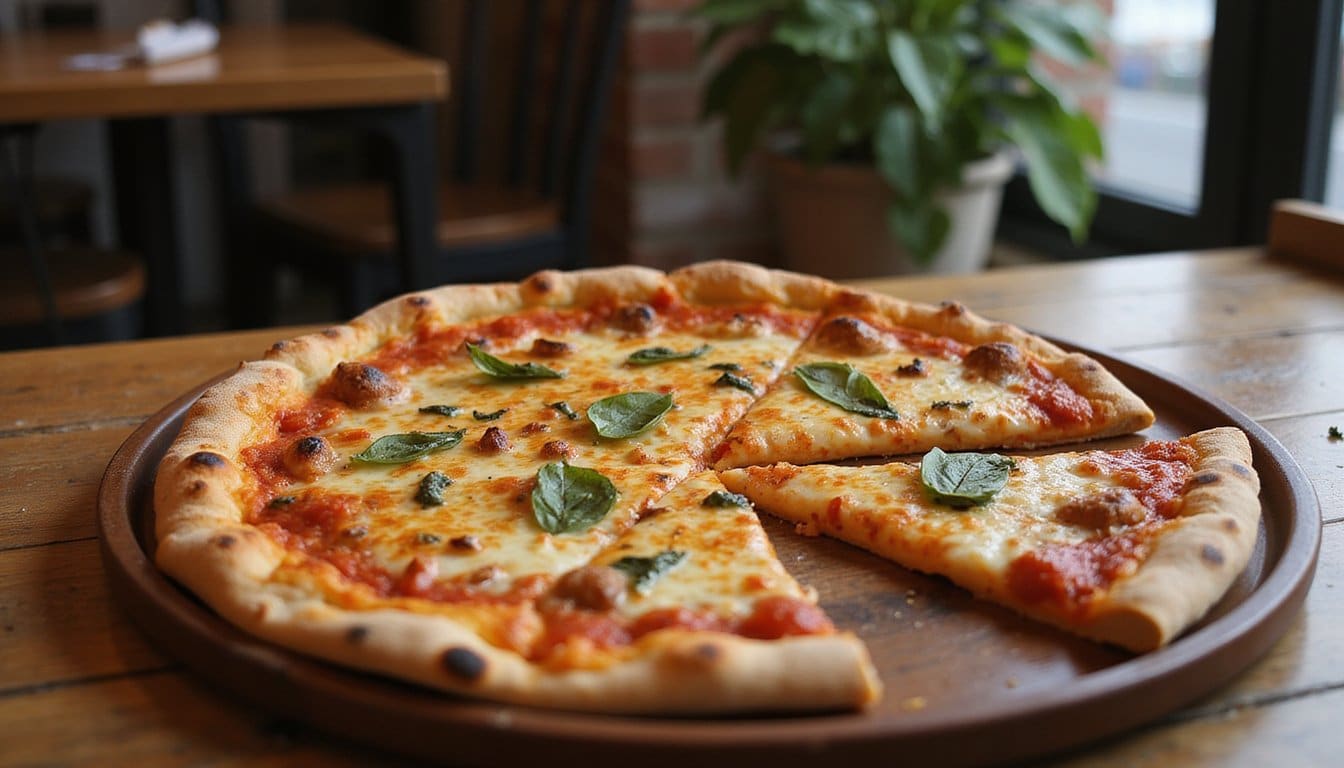
You don’t need to overhaul your entire diet overnight, instead, pick one fear food and start there. Using a fear food hierarchy, you’ll rank avoided foods from least to most anxiety-provoking, then begin with the one that feels most manageable. This incremental approach builds your confidence gradually, so each small step forward makes the next one feel more within reach.
Pick One Fear Food
How do you begin loosening the grip that rigid food rules have on your daily life? Start by identifying your fear foods, items you avoid due to concerns about health, weight, or nutritional content. These might include pizza, baked goods, cheese, or entire categories like carbohydrates.
Once you’ve built your list, rank each item from 1 to 10 based on how much anxiety it triggers. Choose one food from the lower end, something uncomfortable but not overwhelming. It doesn’t need to be a full meal; a side dish, dressing, or single ingredient counts.
Plan when you’ll try it, who’ll support you, and what calming activity you’ll do afterward. This structured approach builds confidence gradually, preparing you for bigger challenges ahead.
Embrace Small Gradual Steps
Once you’ve chosen your first fear food, the next step is building a rhythm of small, steady challenges, one meal at a time. Setting one manageable goal per day prevents overwhelm and keeps progress sustainable. You don’t need to overhaul your entire diet overnight, gradual changes stick longer than sweeping ones.
Each small victory reinforces that change is possible. Acknowledge every step forward, even when it feels minimal. These moments build momentum and counter the perfectionism that fuels orthorexia.
Why Every Food Deserves a Place on Your Plate
When you’re recovering from orthorexia, one of the most powerful shifts you can make is recognizing that no single food holds the power to harm or heal you in isolation. Your body thrives on variety, not restriction. Every food, whether it’s a leafy green or a slice of cake, can serve a purpose in your overall well-being.
Labeling foods as “good” or “bad” reinforces the rigid thinking that keeps you trapped. Instead, practice viewing all foods as neutral. This doesn’t mean nutrition doesn’t matter; it means you’re removing the moral weight you’ve attached to eating.
Allowing every food a place on your plate builds trust with your body and reduces the anxiety surrounding meals. Over time, this freedom becomes one of recovery’s greatest rewards.
What to Do When Old Orthorexia Patterns Return
Even after months or years of progress, old orthorexia patterns can quietly resurface, and that doesn’t mean you’ve failed. Relapse signals aren’t failures, they’re information. Notice them early and respond with intention.
| Warning Sign | What It Means | What to Do |
|---|---|---|
| Calorie counting returns | Control-seeking behavior is reactivating | Reimplement structured meal plans with professional support |
| Social withdrawal increases | Food rigidity is narrowing your world | Reconnect with your therapist or an EDA support group |
| New food rules emerge | Anxiety is driving restrictive patterns | Practice breathing exercises and use personalized mantras |
Document how orthorexia previously harmed your life. This written reminder anchors you when urges intensify. You’ve navigated this before, you can again.
How Orthorexia Recovery Changes Your Relationship With Food
As you move through orthorexia recovery, one of the most profound shifts happens in how you relate to food itself. You begin replacing “good” and “bad” labels with neutral language, recognizing that food carries no moral value. This dismantles the binary thinking that kept you trapped.
You’ll gradually rebuild trust in your body’s hunger and satiety cues, moving away from rigid rules toward intuitive responsiveness. Flexibility replaces rigidity as you reintegrate previously avoided foods without guilt.
Perhaps most meaningfully, you reclaim eating as a source of joy and connection. Shared meals become opportunities for bonding rather than sources of anxiety. You explore new foods for pleasure, not nutritional optimization. Recovery doesn’t just change what you eat, it transforms how you experience eating, restoring both nourishment and belonging.
Frequently Asked Questions
How Long Does Orthorexia Recovery Typically Take From Start to Finish?
Your recovery from orthorexia doesn’t follow a fixed timeline, it’s deeply personal and varies based on factors like severity, support systems, and individual circumstances. You’ll likely notice gradual improvements over months, though full recovery can take a year or longer. What matters most isn’t speed but consistent progress. As you slowly release rigid food rules, you’ll build trust with your body and discover greater freedom, confidence, and peace around eating.
Can Orthorexia Develop Into Anorexia Nervosa or Binge Eating Disorder?
Yes, orthorexia can progress into anorexia nervosa or co-occur with binge eating disorder. You might notice your focus shifting from food purity to calorie restriction, or you might experience loss-of-control eating episodes when rigid rules become unsustainable. Both conditions share overlapping features like severe restriction and obsessive food preoccupation. Seeking professional support early is critical, it’ll help you prevent escalation and address the complex relationship between these interconnected conditions.
Does Social Media Use Need to Be Limited During Orthorexia Recovery?
Limiting social media use during recovery can genuinely help you heal. Research shows that platforms like Instagram often expose you to triggering content, unrealistic body imagery, “clean eating” posts, and fitspiration, that can worsen symptoms and fuel comparison. However, you don’t need to quit entirely. Recovery-focused communities and supportive accounts can offer hope and connection. Consider curating your feed mindfully, unfollowing triggering accounts, and setting time boundaries to protect your progress.
How Do Registered Dietitians Create Personalized Meal Plans for Orthorexia Recovery?
Registered dietitians start by evaluating your unique nutritional needs, food fears, and recovery goals through collaborative conversation. They’ll design a personalized meal plan that balances all food groups, challenges rigid rules, and introduces variety at your pace. As you progress, they’ll adjust the plan, gradually expanding food choices and reducing structure. This ongoing partnership helps you rebuild trust with food and develop flexible, sustainable eating habits.
Will Anxiety About Food Choices Ever Fully Go Away After Recovery?
Anxiety about food choices typically won’t disappear completely, but it’ll notably decrease over time. As you gradually challenge fear foods and build tolerance for uncertainty, your anxiety responses naturally weaken. You’ll develop greater flexibility and trust in your body’s signals, replacing rigid rules with confident, relaxed eating. Through consistent therapeutic support and exposure work, you’ll find that food-related stress no longer dominates your daily life, bringing lasting freedom and peace.