






Orthorexia nervosa is an unhealthy fixation on eating “pure” or “clean” foods that goes far beyond mindful nutrition. You might start by cutting out processed sugars, but over time, you’re eliminating entire food groups without medical reason. It’s not recognized in the DSM-5 TR, yet it affects roughly 6.9% of the general population. The emotional toll, guilt, anxiety, and social isolation, can be just as damaging as the nutritional deficiencies it causes. Understanding the warning signs and treatment options can help you reclaim a balanced life.
What Is Orthorexia: and Why Isn’t It Diagnosed?
Orthorexia nervosa describes a pattern of eating where the pursuit of “healthy” food becomes rigid, distressing, and ultimately harmful. Coined in 1997 by physician Steven Bratman, the term combines Greek roots meaning “correct appetite.” Unlike weight-focused disorders, orthorexia centers on food purity rather than caloric intake.
Despite growing clinical awareness, orthorexia isn’t formally recognized in the DSM-5 TR. You won’t receive an official diagnosis, though clinicians may reference the term during evaluation. This lack of classification distinguishes it from anorexia nervosa and bulimia nervosa, which carry specific diagnostic criteria. Research estimates that orthorexia affects approximately 6.9% of the general population, though rates may be higher among healthcare professionals.
Still, disordered eating orthorexia patterns produce real consequences. Understanding how mental health eating habits intersect with restrictive food behaviors helps you recognize when nutritional vigilance crosses into harmful territory.
How Healthy Eating Quietly Turns Into Orthorexia
When the desire to eat well begins to override flexibility, healthy eating can quietly shift into something more controlling. You might start by cutting out processed sugars, then eliminate dairy, meat, and entire food groups. What began as clean eating disorder patterns now dictate your daily routine.
Orthorexia nervosa develops through this gradual escalation. You create rigid rules about which foods are acceptable, spending excessive time planning, sourcing, and preparing meals. Breaking these rules triggers intense guilt, shame, and food rules anxiety that drives further restriction. Underlying psychological factors such as perfectionism and low self-esteem often fuel this need for increasingly rigid dietary control.
Social media reinforces this cycle by normalizing detox diets and purity-focused narratives. Over time, your diet narrows until only a diminishing number of foods, prepared in very specific ways, feel safe to consume.
Warning Signs of Orthorexia: When Clean Eating Goes Too Far

Because orthorexia nervosa isn’t yet recognized as a formal diagnosis in the DSM-5, its warning signs often go unnoticed, or even get praised as discipline. But there’s a clear line between mindful nutrition and a healthy eating obsession that disrupts your life.
Watch for these patterns:
- You compulsively check ingredient lists and reject anything you deem “impure.”
- You’ve eliminated entire food groups without medical reason.
- You view certain foods as toxic despite no factual basis.
- You avoid restaurants or meals prepared by others.
- You experience severe distress when you can’t follow your dietary rules.
Restrictive healthy eating becomes concerning when your food choices narrow progressively, social isolation increases, and rigid rules override both nutritional needs and emotional well-being. These aren’t signs of discipline, they’re warning signs. Individuals with a history of eating disorders or mental health conditions are at greater risk of developing these obsessive patterns around food.
The Guilt, Anxiety, and Shame Behind Orthorexia
Shame quietly fuels much of orthorexia’s grip on daily life. When you break a food rule, intense guilt and shame create a cyclical pattern that reinforces increasingly restrictive behaviors. These emotions aren’t minor discomforts, they mediate the relationship between eating awareness and disorder severity, serving as a psychological bridge that transforms nutritional mindfulness into something pathological.
You may experience persistent anxiety about accidentally consuming “impure” foods, generating constant vigilance around food selection. This fear intensifies when you can’t verify food sources or control meal preparation, making social eating situations feel threatening.
Research shows guilt amplifies the connection between focused eating and orthorexia severity. Even hunger and satiety awareness can become disordered when filtered through shame. Recognizing these emotional patterns is essential for reclaiming flexibility around food.
When Orthorexia Starts Shrinking Your Social Life
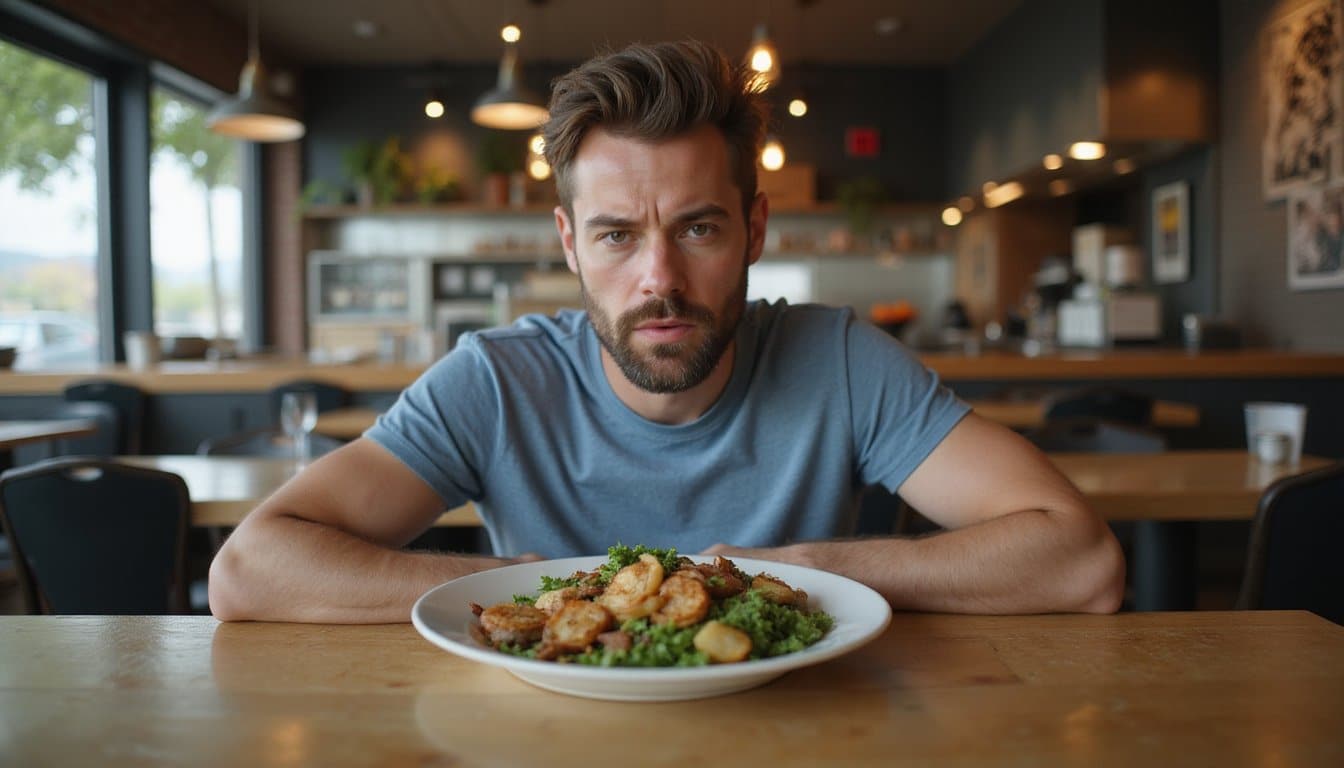
When eating rules become rigid, you may start avoiding restaurants, parties, and family gatherings where you can’t control what’s on the table. Over time, this avoidance can lead to genuine social isolation, as food-related anxiety replaces connection and spontaneity in your relationships. You might also find yourself silently, or openly, judging what others eat, which creates distance and reinforces the cycle of withdrawal.
Avoiding Restaurants And Gatherings
For many people experiencing orthorexia, the anxiety surrounding food doesn’t stay confined to the kitchen, it follows them into restaurants, holiday dinners, and social gatherings where they can’t control what’s on the plate. Dining out becomes distressing when you can’t verify ingredients or preparation methods, and you may start declining invitations altogether.
Holiday celebrations and family events pose particular challenges. When served food doesn’t meet your dietary standards, you’re likely to skip gatherings entirely rather than navigate the discomfort. Over time, this pattern strains family relationships as shared meals grow infrequent and meal planning consumes attention once directed toward loved ones.
Travel and spontaneous plans also suffer. The unpredictability of food access makes even simple outings feel threatening, gradually replacing social flexibility with rigid, isolating routines.
Isolating Over Food Fears
| What You Experience | What Others See | What Suffers |
|---|---|---|
| Anxiety around food availability | Withdrawal and distance | Friendships and family bonds |
| Guilt when breaking dietary rules | Conversations limited to food purity | Spontaneity and shared joy |
| Panic in uncontrolled food settings | Increasing alienation | Mental health and well-being |
Over time, loneliness and depression replace the connections you’ve lost. Your dietary rigidity doesn’t just control what you eat, it dictates who you spend time with.
Judging Others’ Food Choices
Although orthorexia often begins as an inward struggle with food rules and anxiety, it frequently turns outward, reshaping how you perceive other people’s eating habits. You may notice yourself categorizing foods as morally “good” or “bad” and extending that judgment to those around you.
This pattern manifests in specific ways:
- Attributing negative character traits to people who consume foods you’ve deemed unhealthy
- Criticizing friends’ and family members’ dietary choices during shared meals
- Pressuring others to eliminate certain food categories from their diets
- Experiencing moral superiority based on your nutritional standards
These judgmental attitudes reinforce your own rigid beliefs, creating a cycle that deepens anxiety and erodes relationships. Recognizing internalized diet culture messaging and developing self-compassion are essential steps toward restoring flexible, judgment-free connections.
What Orthorexia Does to Your Body
When restrictive eating patterns persist over time, orthorexia can cause measurable harm across multiple body systems. Eliminating entire food groups deprives your body of essential proteins, fats, vitamins, and minerals, leading to malnutrition and insufficient energy for normal function. The distinction between orthorexia vs healthy eating is crucial, as the latter promotes a balanced approach to nutrition while still allowing for flexibility. Understanding this difference can help individuals cultivate a positive relationship with food, avoiding the rigid rules that often accompany orthorexia.
Your bones lose density, increasing osteoporosis and fracture risk, while muscle mass deteriorates, including cardiac muscle. Hormonal disruptions trigger menstrual irregularities, chronic fatigue, and metabolic dysfunction. Cardiovascular complications emerge as your heart weakens from protein and mineral deficiency, and prolonged restriction can damage crucial organs.
Your immune system becomes compromised, leaving you more susceptible to infections. Digestive issues develop from inflexible eating patterns, and excessive raw food consumption raises foodborne illness risk. Hair loss and skin conditions signal systemic nutritional deficiency throughout your body.
Getting Help for Orthorexia: First Steps Toward Recovery
Recognizing that your relationship with food has crossed from mindful eating into obsessive territory marks the most critical step toward recovery. You’ll need to honestly assess how rigid eating rules have affected your relationships, career, and emotional health.
Once you’ve acknowledged the problem, take these actionable steps:
- Document specific instances where food obsession has damaged relationships or limited social participation.
- Build a treatment team including a therapist, physician, and registered dietitian experienced in eating disorders.
- Connect with support resources such as NEDA or ANAD for structured guidance.
- Undergo clinical evaluation to establish baseline health, complete psychological assessments, and determine appropriate treatment intensity.
Recovery requires professional intervention. Cognitive-behavioral therapy and nutritional counseling form the evidence-based foundation for rebuilding a flexible, balanced relationship with food.
Frequently Asked Questions
Can Children and Teenagers Develop Orthorexia From Parental Food Rules?
Yes, they can. When you label foods as “good” or “bad,” restrict your child’s food choices, or use food as a reward or punishment, you’re creating rigid associations that can fuel obsessive eating patterns. Children with perfectionism or anxiety traits are especially vulnerable. You’ll support healthier outcomes by modeling balanced eating, keeping food discussions neutral, and encouraging your child to trust their own hunger and fullness cues.
Is Orthorexia More Common Among Athletes or Fitness Professionals?
Research shows you’re more likely to experience orthorexia if you’re an athlete or fitness professional. Studies indicate prevalence rates ranging from 21.5% to as high as 66% among athletes, greatly exceeding general population levels. If you’re involved in endurance sports or exercise more than 150 minutes weekly, your risk increases further. Higher training intensity and volume correlate with elevated orthorexic behavior scores, making awareness and balanced nutritional guidance essential for your well-being.
How Does Social Media Contribute to the Development of Orthorexia?
Social media can fuel orthorexia by exposing you to idealized “clean eating” content, especially on visual platforms like Instagram and TikTok. Algorithms amplify restrictive dietary messaging based on your engagement, creating reinforcing loops. You’ll encounter moral food labels like “toxic” or “guilt-free” that promote rigid thinking. Nearly half of TikTok nutrition content lacks expert oversight, and likes on restrictive behaviors normalize disordered patterns, making it harder to recognize when healthy eating becomes harmful.
Can Orthorexia Occur Alongside Other Eating Disorders at the Same Time?
Yes, orthorexia can co-occur with other eating disorders, including anorexia nervosa, bulimia nervosa, and binge eating disorder. While orthorexia centers on food quality and purity, anorexia typically focuses on restricting quantity for weight loss. You might experience overlapping patterns, such as bingeing on “healthy” foods followed by purging. If you’ve a history of disordered eating, you’re at increased risk, making thorough professional assessment essential for accurate diagnosis.
Does Recovering From Orthorexia Mean Giving up Healthy Eating Entirely?
No, recovering from orthorexia doesn’t mean giving up healthy eating entirely. Instead, you’re redefining what health truly means from a compassionate, flexible perspective. You’ll unlearn false beliefs about food while embracing valid nutritional information guided by registered dietitians. Recovery involves adopting intuitive eating practices, listening to your body’s hunger cues, allowing all foods to fit within a balanced diet, and creating sustainable eating patterns that support your life rather than restrict it.