






Yes, kratom is addictive. Its active compounds, mitragynine and 7-hydroxymitragynine, bind to your brain’s mu-opioid receptors, acting as partial agonists. Regular use stimulates your reward circuitry, leading to tolerance, dependence, and withdrawal. You’ll need higher doses to feel the same effects. When you stop, you can experience opioid-like withdrawal, including abdominal cramping and sweating. Authoritative sources like the DEA and Mayo Clinic confirm this risk. Understanding how it happens can help you recognize the warning signs early.
What Is Kratom and Why Do People Use It
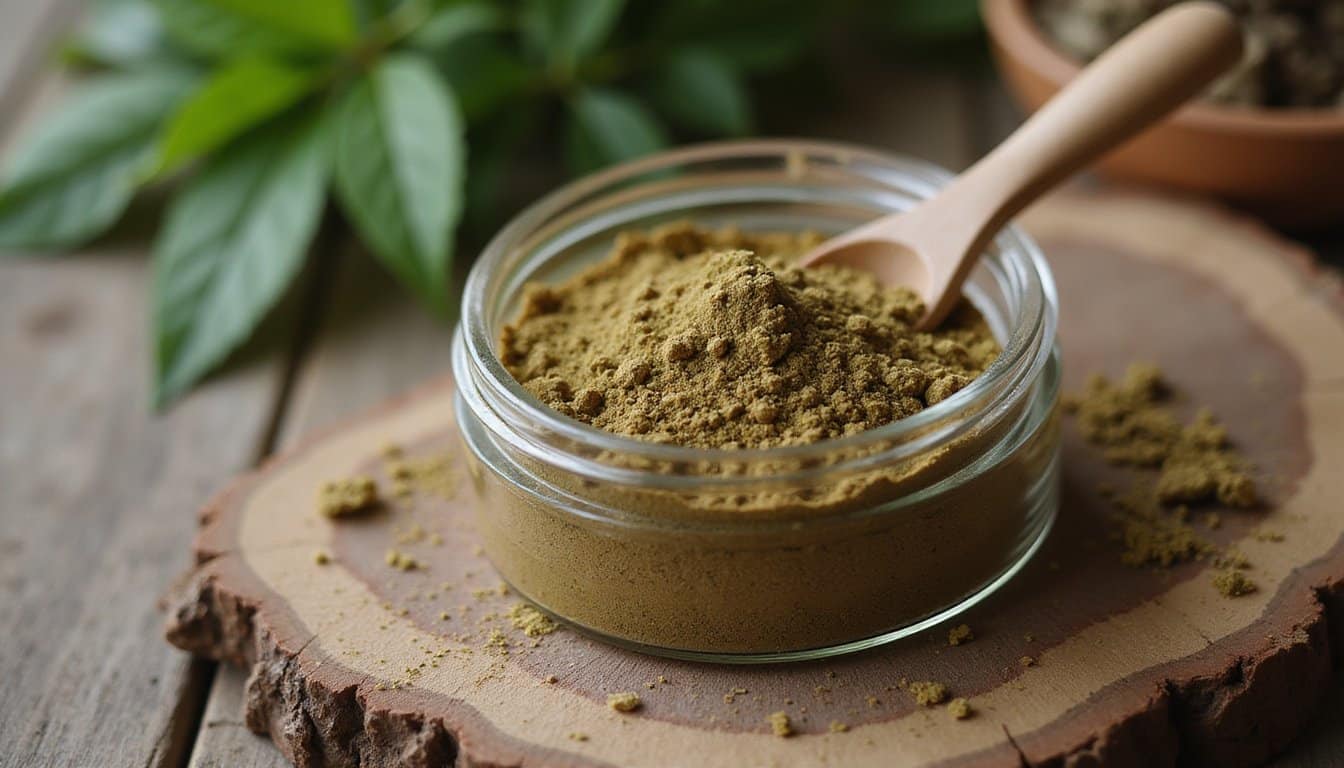
Although it’s often marketed as a harmless herbal supplement, kratom is a psychoactive substance derived from the leaves of Mitragyna speciosa, a tropical tree native to Southeast Asia. You’ll typically find the dried leaves ground into powder, brewed as tea, or packed into capsules. Kratom contains active compounds, including mitragynine and 7-hydroxymitragynine, that produce stimulant-like effects at low doses and sedative, opioid-like effects at higher ones.
People commonly use kratom to self-treat pain, anxiety, depression, and fatigue, or to boost energy and focus. Many turn to it to manage opioid withdrawal symptoms and cravings. It’s worth noting that kratom has not been approved by the FDA as safe and effective for any medical use. But before you assume it’s safe, ask: can you get addicted to kratom? Regular use can lead to kratom dependence, and for some, that progresses to kratom addiction.
How Kratom Hijacks Your Opioid Receptors
Two compounds drive kratom’s effects: mitragynine and 7-hydroxymitragynine. Both bind to your mu-opioid receptors, the same targets morphine and oxycodone hit, as partial agonists, activating them without producing the full effect of stronger opioids. These receptors govern pain, reward, and breathing, which explains why kratom relieves discomfort while carrying real risk. Of the two, 7-hydroxymitragynine exhibits stronger mu-receptor activity than mitragynine.
When you ask whether kratom is addictive, the answer starts here. Each time you dose, you stimulate your brain’s reward circuitry, reinforcing repeated use. Over time, your brain adjusts, building kratom tolerance, so you need more to feel the same effect. That escalation drives dependence, and stopping triggers withdrawal.
This receptor adaptation is precisely how people become addicted to kratom, the brain reshapes itself around a substance it increasingly expects and demands.
Is Kratom Addictive or Just Habit-Forming?
You might wonder whether kratom is truly addictive or just a hard habit to break, and the distinction matters. “Habit-forming” implies routine use you could drop without much trouble. But a kratom habit goes further than that. Authoritative sources, the DEA, Mayo Clinic, and University of Utah Health, describe kratom as addictive, capable of producing tolerance, dependence, and withdrawal. The DEA states that kratom consumption can lead to psychological and physiological dependence. This dependency stems from kratom acting on opioid receptors at higher doses, leading to withdrawal symptoms when use stops.
DSM-5-based research backs this up. Greater dose frequency was strongly associated with withdrawal and kratom use disorder symptoms, with higher odds of endorsing each of 10 individual symptoms. That’s not simple behavioral repetition, it’s a substance use disorder pattern. So “addictive,” not “habit-forming,” more accurately describes what you’re facing.
Signs of Kratom Dependence and Tolerance
How do you know when kratom use has crossed into dependence? Watch for two interlocking patterns: tolerance and physical dependence. Tolerance means you need larger or more frequent doses to feel the same effect, because prior amounts stop working. Dependence shows itself when you stop and withdrawal sets in.
| Tolerance Signs | Withdrawal Signs |
|---|---|
| Needing more for the same effect | Abdominal cramping, sweating, diarrhea |
| Escalating dose over time | Anxiety, irritability, mood changes |
| Continued use despite harm | Muscle aches, sleep disturbance, cravings |
Withdrawal can resemble opioid-like symptoms after sudden cessation, and one source reports severe withdrawal in roughly half of people who misuse kratom. If you recognize these signs, your body’s already adjusted, signaling dependence that warrants attention.
How Much Kratom Is Too Much?
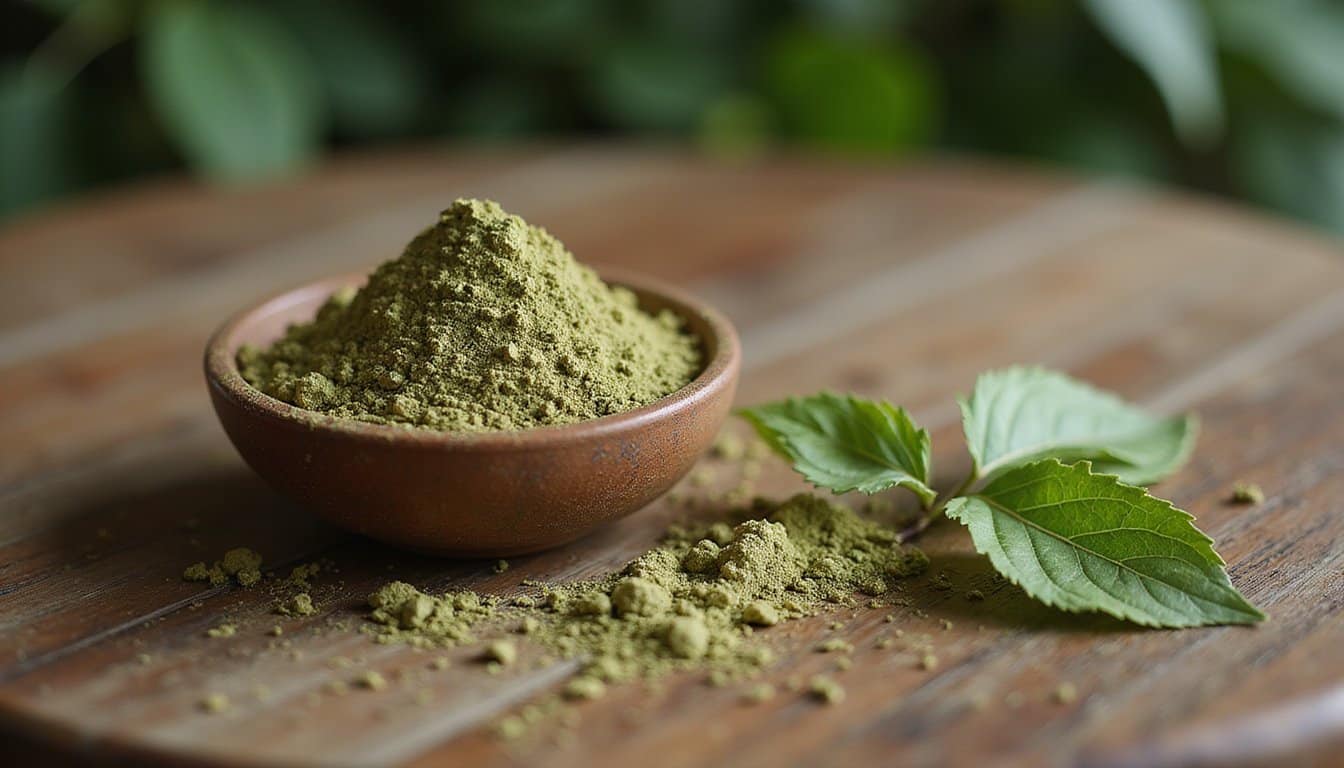
Why is there no universal answer to how much kratom is too much? Because potency varies by brand, formulation, and alkaloid concentration, no standardized dose exists. Generally, 1, 5 grams produce stimulant-like effects, while 5, 15 grams bring stronger opioid-like effects and more side effects. Above 15 grams has been linked to extreme sedation and unconsciousness. But these thresholds aren’t reliable safety guides.
Your risk depends on your health, the product’s strength, and whether you’re mixing kratom with other substances or prescription drugs. Taking more than three daily servings raises your likelihood of dependence and withdrawal.
Ultimately, “too much” is better defined by symptoms than by grams. Watch for tachycardia, nausea, vomiting, tremors, heavy sedation, slow breathing, or confusion, these signal you’ve crossed into dangerous territory.
What Withdrawal Actually Feels Like
If you’ve used kratom regularly and then stopped, you’ll likely notice the symptoms within 12 to 48 hours, ranging from muscle aches, sweating, and gastrointestinal distress to anxiety, irritability, and intense cravings. The acute phase usually lasts 1 to 3 days, though some people report effects extending to about a week. How hard it hits you depends largely on how much and how often you’ve been using, with heavier use linked to more pronounced symptoms and stronger cravings.
Common Withdrawal Symptoms
When you stop using kratom after regular use, your body reacts, and the symptoms tend to cluster into a few predictable categories: physical discomfort, sleep disruption, gastrointestinal upset, mood changes, and flu-like signs paired with cravings.
Physically, you may feel muscle aches, joint pain, tremors, and chills resembling milder opioid withdrawal. Sleep often suffers, with insomnia, frequent waking, restless sleep, and vivid dreams. Your gut can rebel too, bringing nausea, vomiting, abdominal cramping, diarrhea, and loss of appetite.
Mood shifts are common: irritability, anxiety, restlessness, depressed mood, and sometimes anger. You may also notice sweating, hot flashes, a runny nose, and watery eyes, alongside fatigue and strong cravings for kratom.
Symptom Timeline
Although every person’s experience differs, kratom withdrawal tends to follow a predictable arc: symptoms surface within 6 to 24 hours of your last dose, build over the next day or two, peak around day 2 to 4, and then taper across the first week.
If you use it heavily or daily, you may notice symptoms sooner than 12 hours. Your dose, tolerance, metabolism, and frequency all shape the timing.
- 6, 24 hours: Early discomfort and disrupted sleep begin.
- Day 2, 4: Symptoms peak as physical and psychological effects overlap.
- First 7 days: Acute symptoms gradually improve.
- Weeks beyond: Depression, low motivation, and brain fog may linger.
This course is front-loaded, so the hardest period hits early. Physical symptoms usually ease before your mood and cognition fully normalize.
Severity And Cravings
Two forces define kratom withdrawal: physical discomfort and psychological distress, and they usually hit at the same time. On the physical side, you may face muscle aches, nausea, vomiting, abdominal cramps, diarrhea, sweating, and tremors. At the same time, anxiety, agitation, irritability, depressed mood, and poor concentration can take hold. Many people describe it as opioid-like, though usually less intense than classic opioid withdrawal.
Cravings sit at the center of this experience. They’re among the most frequently reported symptoms, and they can turn intense during the acute phase. Because kratom acts on opioid-related brain pathways, those urges feel reinforcing, and you may resume use mainly to avoid withdrawal. Heavy daily use, high doses, and frequent dosing all push severity higher, sometimes to debilitating levels. Signs of kratom addiction can manifest in various ways, including the development of tolerance and withdrawal symptoms. Recognizing these signs is crucial for individuals seeking help, as early intervention can significantly improve recovery outcomes.
Treatment Options for Kratom Addiction
If you’re ready to stop, you’ve got real treatment options that work. Medication-assisted treatment, most often buprenorphine-naloxone (Suboxone), can reduce your withdrawal symptoms and cravings, while alternatives like clonidine help manage specific symptoms during detox. Pairing these medications with supportive care, hydration, symptom monitoring, and short-term medications, gives you the safest path through the hardest early days.
Medication-Assisted Treatment Options
Medication-Assisted Treatment (MAT) pairs medication with counseling or structured therapy to support recovery from kratom dependence. Because kratom acts on opioid receptors, clinicians have adapted strategies from opioid use disorder treatment. MAT reduces cravings and stabilizes early recovery rather than relying on medication alone. Since no standardized kratom-specific protocol exists, your treatment is often individualized.
Here are the medications you’re most likely to encounter:
- Buprenorphine and buprenorphine-naloxone (Suboxone), the most documented option, reducing withdrawal symptoms and cravings, especially with prior opioid exposure.
- Naltrexone and Vivitrol, opioid-receptor blockers used for long-term abstinence, with Vivitrol given as a monthly injection.
- Clonidine and lofexidine, supportive agents that manage autonomic withdrawal symptoms.
- Dihydrocodeine-lofexidine combination, reported for inpatient detoxification.
Managing Withdrawal Symptoms
While medication can stabilize early recovery, most people managing kratom withdrawal also need direct symptom relief to get through the acute phase comfortably. You’ll find that supportive care handles much of the burden: stay hydrated with water and electrolyte drinks, eat regular meals, and protect a consistent sleep routine. Light movement eases restlessness, while relaxation activities reduce stress and irritability.
For specific complaints, target each symptom directly.
| Withdrawal Symptom | Relief Approach |
|---|---|
| Muscle aches, headaches | Ibuprofen or acetaminophen |
| Nausea, vomiting | Anti-nausea support |
| Insomnia | Sleep aids under medical guidance |
| Diarrhea | Anti-diarrheal support |
| Anxiety, irritability | Counseling, calming routines |
Pair these strategies with medical oversight when your use has been heavy. Recognizing what you need early makes the acute phase far more manageable.
Call Today and Heal With Expert Support
When kratom use begins shaping your routine, your moods, or your relationships, reaching out is the strongest move you can make. At Eleve Wellness in Hillsborough Township, NJ, our caring professionals deliver dependable Outpatient Addiction Treatment built around your unique needs and circumstances. Call (833) 902-7098 today and begin a healthier chapter in your life.
Frequently Asked Questions
Can You Mix Kratom With Alcohol or Other Drugs?
No, you shouldn’t mix kratom with alcohol or other drugs. Both kratom and alcohol act as central nervous system depressants, so combining them can intensify sedation, impair your coordination and judgment, and dangerously slow your breathing. This respiratory depression is the key overdose mechanism, and the combination can be life-threatening. Mixing kratom with other depressants raises the same risks. Since no safe threshold exists, you’re better off avoiding these combinations entirely.
How Long Does Kratom Stay in Your System?
Kratom typically stays in your urine for 1 to 9 days, though heavy or chronic use can extend that to about two weeks. You’ll clear it from your blood within 24 to 48 hours and from saliva within 1 to 2 days. Hair testing may theoretically detect traces for up to 90 days. Your dose, frequency, metabolism, and the test’s sensitivity all shift these windows, so timing varies between individuals.
Does Kratom Show up on Drug Tests?
Kratom usually won’t show up on standard drug tests. Routine 5-, 10-, and 12-panel screens look for substances like opioids, marijuana, and benzodiazepines, not kratom’s alkaloids, mitragynine and 7-hydroxymitragynine. To detect kratom, a lab must run a specialized test using methods like LC-MS/MS. Since kratom’s compounds are chemically distinct from morphine and other opioids, they typically won’t trigger a standard opioid result either. You’ll need a kratom-specific request for detection.
Are Kratom Products Contaminated With Harmful Substances?
Yes, some kratom products can be contaminated with harmful substances. The FDA has found products containing Salmonella, which can cause serious or even fatal illness, along with concerning levels of heavy metals like lead and nickel. Testing of 30 products revealed amounts exceeding safe limits for daily oral intake. Because kratom isn’t FDA-approved or required to be tested, you’re facing real contamination risks, including potential lead poisoning with chronic use.