
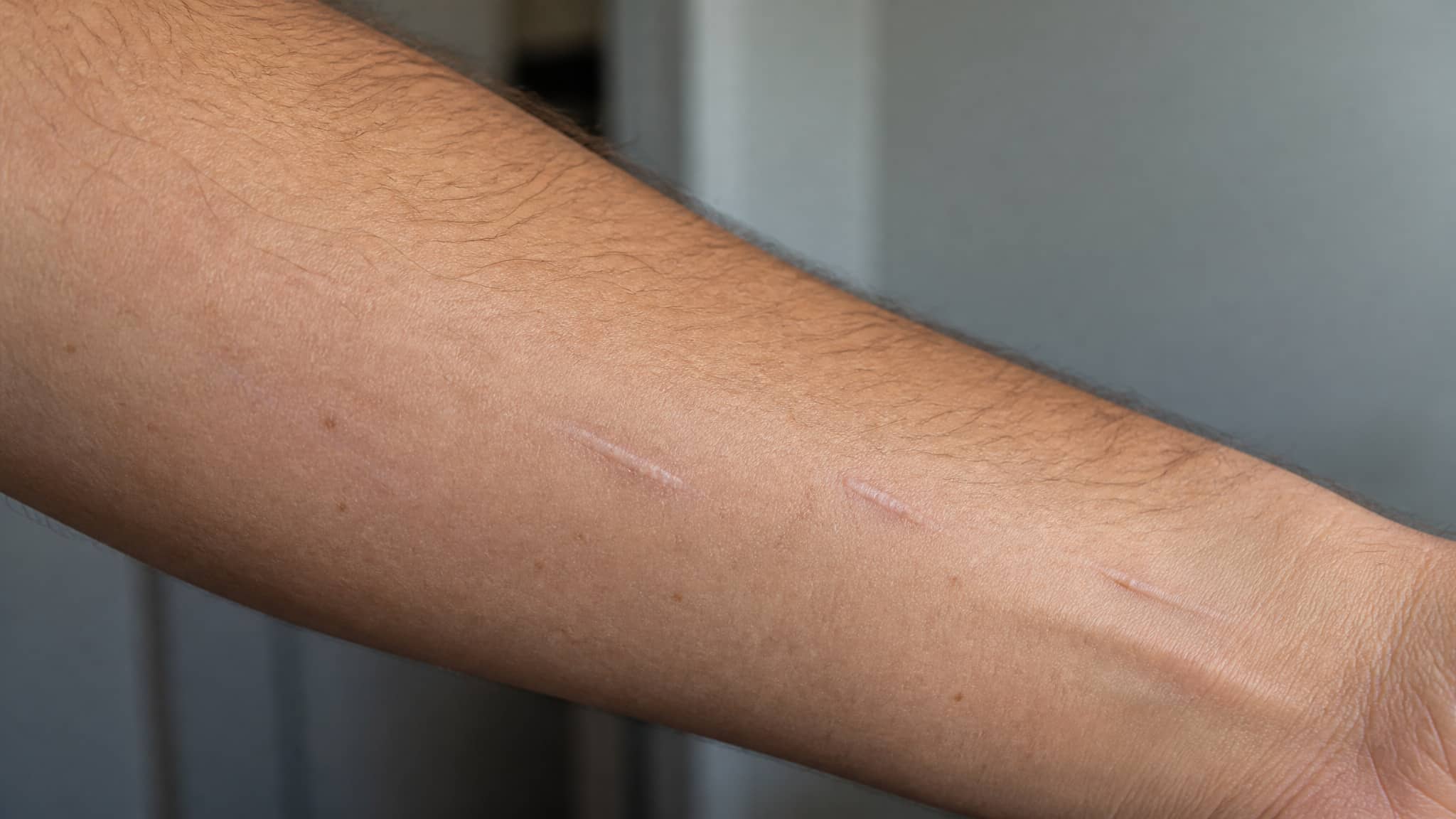





Helping supports your loved one’s safety, dignity, and recovery. Enabling shields them from the consequences of substance use, like calling in sick for them or covering missed rent. If you’ve done this, you’re not to blame. You likely acted from love. The key question is this: does this action support recovery, or protect the substance use? You can stay warm and present while letting them carry their own responsibilities. Ahead, you’ll find clear steps for that shift.
Key Takeaways
- Helping supports a loved one’s safety, dignity, and recovery, while enabling shields them from the consequences of substance use.
- Enabling often looks like loving choices, such as calling in sick for them, covering rent, or explaining away broken promises.
- Enabling feels like love but sustains addiction by absorbing consequences that might otherwise prompt change.
- Healthy support combines empathy without excuses, clear and consistent boundaries, and calm, nonjudgmental conversations about treatment options.
- Start by stopping one protective habit, explaining the boundary calmly, and seeking counseling or programs like CRAFT for yourself.
What is the difference between enabling and helping

Helping supports a loved one’s safety, dignity, and recovery without taking over their responsibilities, while enabling shields them from the consequences of substance use or absorbs those consequences for them. When someone you love is struggling with substance use, it can be hard to tell whether your efforts are helping or getting in the way. If you’ve covered for missed work or paid off debts, you’re not alone, and you’re not to blame. Most families act from love.
The key question is simple: Does this action support recovery, or does it protect the substance use from its effects? You can keep offering empathy and practical help while setting clear limits on rescuing. That boundary lets you support the person you love without supporting the behavior harming them. Establishing healthy boundaries with loved ones is crucial for maintaining healthy relationships. When you communicate these limits effectively, it fosters respect and understanding.
What enabling behaviors look like in everyday life
Enabling in everyday life looks like small, loving choices you make to keep the peace or protect someone you care about. It rarely looks dramatic. You might call in sick for them after a night of drinking, cover a missed rent payment, or explain away a broken promise to relatives. Maybe you clean up messes, replace money they’ve spent on substances, or avoid hard conversations because you’re afraid of conflict.
These actions come from care, not failure. Still, they can shield your loved one from the effects of substance use, making change feel less urgent. Notice the pattern without blaming yourself. Ask one question: Does this support their safety and recovery, or does it absorb consequences that belong to them? Your answer can guide clearer boundaries. Healing for adult children of alcoholics can be a transformative journey. It provides essential tools for understanding deep-rooted patterns and fostering healthier relationships. By addressing these challenges, individuals can build a foundation for personal growth and emotional resilience.
Why enabling feels like love but sustains the problem

Enabling feels like love because it comes from a deep wish to protect your loved one from pain, yet it sustains the problem by absorbing the consequences that might otherwise prompt change. Covering a missed shift, paying an overdue bill, or explaining away a broken promise often comes from love, fear, or hope. These responses are common, and they don’t make you a bad family member.
Still, when you absorb the consequences of substance use, your loved one may not feel the full weight of what’s happening. The problem stays hidden, and change can seem less urgent.
You can keep the love and shift the action. Ask yourself: does this support safety and recovery, or does it shield substance use from its effects? Offer empathy, set clear limits, and protect your own well-being. That’s real support. Recognizing signs of codependency can be a crucial step toward fostering healthy relationships. It’s important to be aware of how your actions may enable unhealthy patterns. By prioritizing mutual support and personal growth, you create a foundation for both individuals to thrive.
What healthy support looks like instead
Healthy support means staying emotionally present while letting your loved one carry the responsibilities that belong to them. You’re not withdrawing care; you’re redirecting it toward recovery instead of shielding substance use from its effects. Try these steps:
- Offer empathy without excuses. Listen, validate their feelings, and skip covering for missed work or unpaid bills.
- Set clear, consistent boundaries. Decide which actions you’ll stop taking, shaped by your family’s values and culture, and keep showing affection.
- Talk about treatment calmly. Replace lectures with nonjudgmental conversations, share options, and respect that entering care is their choice.
- Get support for yourself. Counseling or structured programs like CRAFT can strengthen your communication skills, though results vary.
If behavior becomes dangerous, prioritize safety and contact professional help immediately.
How enabling and helping compare side by side
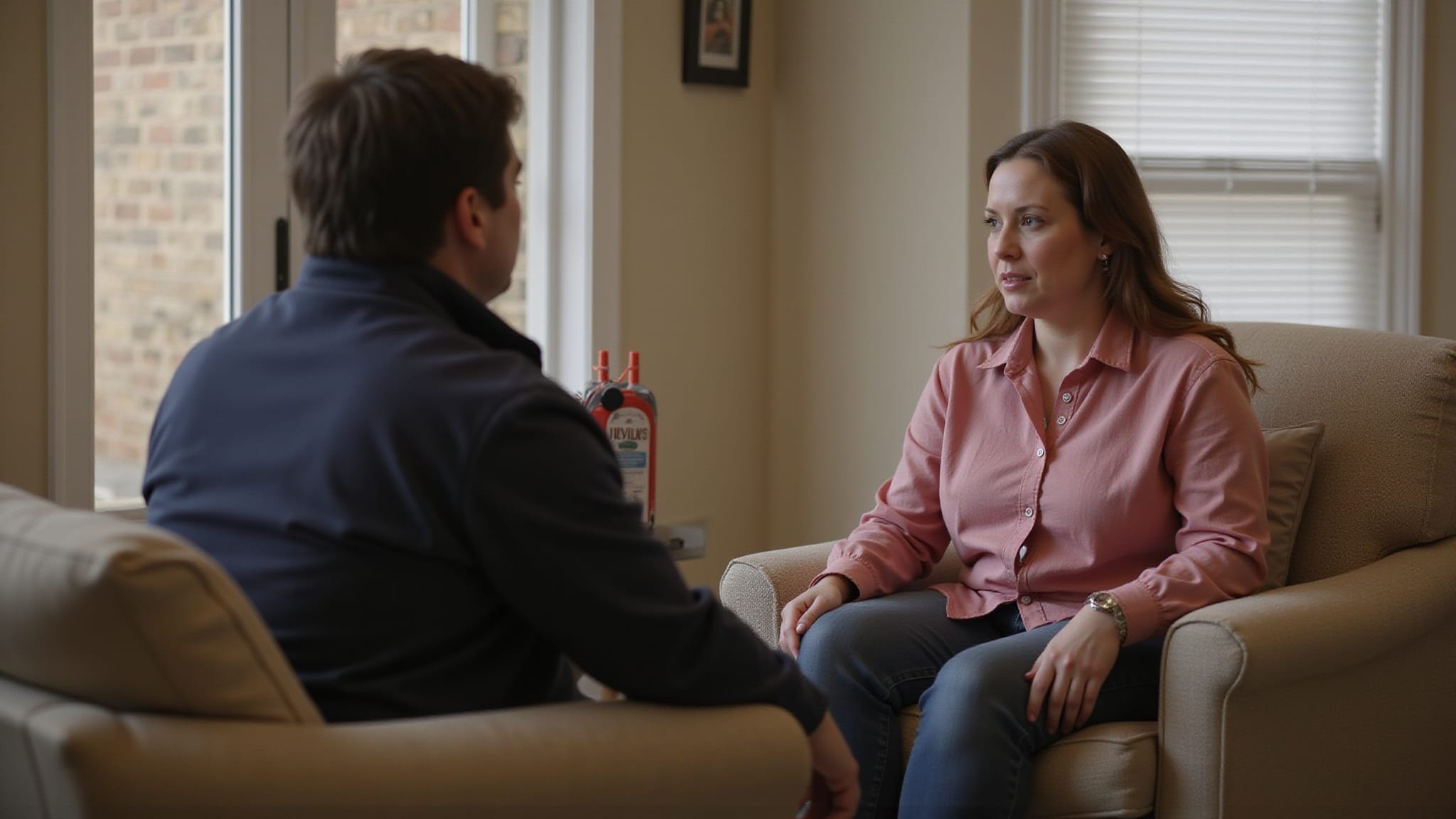
Enabling shields substance use from its effects, while helping supports recovery. Your care isn’t the problem; the pattern is.
| Enabling | Helping |
|---|---|
| Calling in sick for them after a binge | Letting them handle work, while you offer empathy |
| Covering debts caused by substance use | Helping them find treatment options they can choose |
| Avoiding hard conversations to keep peace | Setting clear, culturally fitting limits with kindness |
If you recognize yourself in the left column, you’re not failing. You’re responding to stress the way many families do. You can change your responses, protect safety, and stay emotionally close. Recovery remains their choice, but your support matters.
How to shift from enabling to supporting
Shift from enabling to supporting by making small, consistent changes in how you respond, one choice at a time. You don’t need to overhaul everything at once. Start with these shifts:
- Name one protective habit. Pick something you do that shields substance-related consequences, such as covering missed work, and decide to stop.
- Set a clear, caring boundary. Explain the change calmly, and keep offering emotional support.
- Encourage treatment without pressure. Share options during calm moments, knowing the decision remains theirs.
- Get support for yourself. Counseling or structured programs like CRAFT can strengthen your communication skills and family relationships.
Prioritize safety first; if behavior becomes dangerous, contact professional help immediately. You can’t guarantee someone’s recovery, but you can change how you respond with compassion and steady, loving consistency.
How Élevé Wellness helps families find the right balance
Élevé Wellness helps families find the right balance by identifying which actions support recovery and which ones shield substance use from its effects. We start by recognizing what you’re already doing well: your care, your persistence, and your wish to protect someone you love. Finding the line between helping and enabling can feel confusing, and you don’t have to sort it out alone.
We help you look at specific actions without blame or labels. Together, we’ll set clear, culturally respectful boundaries, practice constructive conversations, and plan ahead for safety. You’ll also receive education and counseling that supports your own well-being.
You can’t control another person’s choices or guarantee their recovery, but you can change your responses. With the right support, you’ll confidently offer compassion without carrying consequences that simply aren’t yours.
Conclusion
The line between helping and enabling comes down to one honest question: does this action support recovery, or does it protect the substance use from its effects? If you’ve been covering shifts, paying off debts, or smoothing over broken promises, that came from love, not failure, and recognizing the pattern is the first real step toward change. The encouraging part is how much is within your reach: you can keep every bit of warmth and empathy while redirecting it toward recovery, setting clear and caring boundaries, talking about treatment calmly, and getting support for yourself through counseling or a structured approach like CRAFT. You can’t guarantee another person’s recovery or make the choice for them, but you can change how you respond, protect your own well-being, and stay emotionally close. Start small, stay consistent, and lead with love. That steady, boundaried compassion is the most genuine support you can offer, and you don’t have to figure it out alone.
Heal From the Effects of a Loved One’s Addiction
Loving someone with addiction leaves lasting emotional patterns, and real recovery starts with your own healing. At Élevé Wellness in Hillsborough Township, NJ, we provide Mental Health Counseling that helps you work through codependency, boundaries, and the lasting effects of growing up around addiction. Verify your insurance or Call (833) 902-7098 today.
Frequently Asked Questions
Is CRAFT More Effective Than Al-Anon or Nar-Anon for Families?
Yes, research suggests CRAFT helps more loved ones enter treatment. One trial found 58.6% engaged with CRAFT (76.7% with aftercare) versus 29.0% with Al-Anon/Nar-Anon facilitation. A review of four randomized trials agrees. Still, results vary across studies and formats, and CRAFT can’t guarantee anyone’s recovery. What you can do is build your own skills, keep caring boundaries, and protect your safety. Whichever support you choose, you’re strengthening yourself and your family.
Can I Guarantee My Loved One Will Enter Treatment if I Change?
No, you can’t guarantee it, and that isn’t a failure on your part. Entering treatment remains your loved one’s decision. What you can do is change your own responses: offer empathy, set clear boundaries, and stop shielding substance-related harm. Approaches like CRAFT have helped some families encourage treatment, but results vary across studies. Seek counseling or support for yourself, too. Your well-being and safety matter, whatever your loved one ultimately chooses.
Should I Share Private Family Details With My Loved One’s Treatment Team?
Yes, but only after you’ve talked through safety and confidentiality. Ask the treatment team how they’ll protect what you share, and ask your loved one what they’re comfortable with. You can share details that affect safety or recovery while keeping other matters private. Your cultural values matter here. Setting these boundaries isn’t secrecy; it’s care. You know your family well, and that insight can strengthen your loved one’s treatment plan.
How Do Cultural Traditions Affect Which Family Boundaries Are Considered Healthy?
Your cultural traditions shape what healthy boundaries look like. A practice that seems unhealthy in one setting, like close family involvement in decisions, may carry respect and care in yours. You don’t have to adopt someone else’s model. Instead, ask whether each boundary supports safety, dignity, and recovery or shields substance use from its effects. Your values are strengths. Build clear, flexible limits that honor them while protecting everyone’s well-being.
What Should I Do if My Loved One’s Substance Use Becomes Dangerous?
Put safety first: if there’s an overdose, threats, or impaired driving, call emergency services right away. You don’t have to handle danger alone. Once things are calmer, set clear limits, like refusing to cover for consequences, while still offering care. You can encourage treatment without lectures, though you can’t make that choice for them. Lean on counseling or CRAFT, too; your steady support matters, and you deserve real care yourself.