
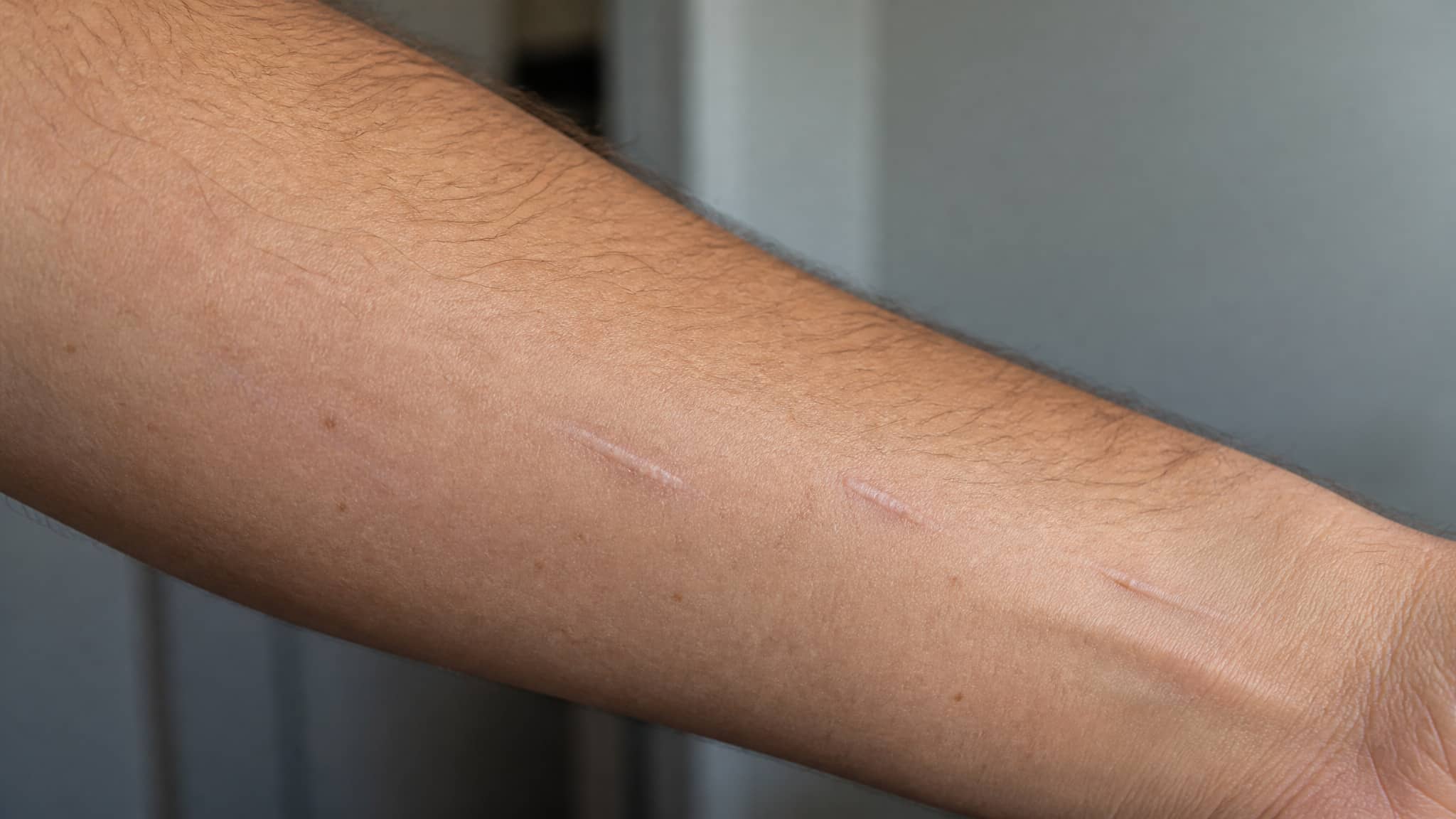





If you used opioids, benzodiazepines, or other substances during pregnancy, your baby can be born dependent on them. After birth, that supply stops suddenly, and withdrawal signs can follow, usually within 48, 72 hours. This is neonatal abstinence syndrome (NAS). You might notice tremors, high-pitched crying, poor feeding, or sleep problems. Hospital teams often start with soothing and supportive care, adding medication when needed. Below, you’ll see how coordinated prenatal care can make NAS safer to manage.
Key Takeaways
- Neonatal abstinence syndrome (NAS) is withdrawal in newborns exposed to opioids, benzodiazepines, or other substances that crossed the placenta during pregnancy.
- Withdrawal begins when birth abruptly stops the substance supply that the baby’s nervous system had adapted to.
- Signs include tremors, high-pitched crying, poor sleep, feeding difficulty, vomiting, and sweating, often appearing within 48, 72 hours.
- Diagnosis relies on close observation and exposure history, with supportive care first and medication added if symptoms remain severe.
- Coordinated prenatal treatment, including methadone or buprenorphine and avoiding abrupt opioid discontinuation, makes NAS more predictable and safer to manage.
What is neonatal abstinence syndrome (NAS)
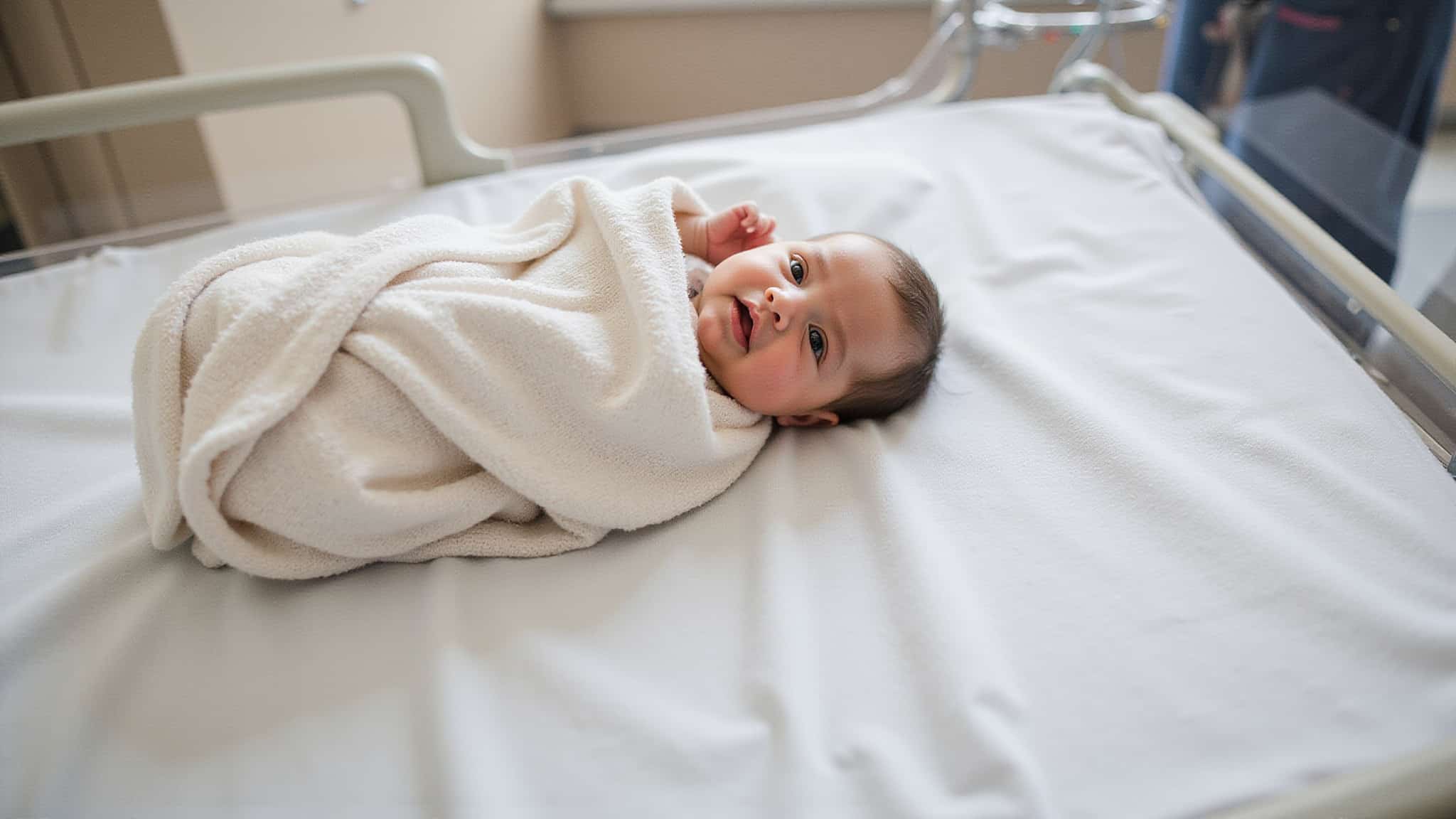
Neonatal abstinence syndrome (NAS) is the set of withdrawal signs a baby can show after birth when they were exposed to certain substances in the womb. Their body adapts to these substances, and birth suddenly cuts off that supply. Opioids are the most common cause, though other substances can also contribute. You may also hear the term neonatal opioid withdrawal syndrome (NOWS), which refers specifically to opioid withdrawal, generally during the first 28 days of life.
NAS isn’t a single, predictable condition. How your baby responds depends on which substances were involved, the amount and timing of exposure, gestational age, and your baby’s overall health. If you share an honest exposure history, your care team can anticipate withdrawal, plan observation, and support both you and your baby from the start.
What causes NAS (opioids, benzos, and other substances)
NAS is caused by exposure to opioids, benzodiazepines, or other substances during pregnancy that cross the placenta, allowing your baby’s developing nervous system to adapt to them over time. After birth, that exposure stops suddenly, and withdrawal signs can follow.
Common contributors include:
- Opioids: These are the most common cause, whether they’re prescribed or non-prescribed.
- Opioid treatment medications: Methadone or buprenorphine, used to treat opioid use disorder, can also lead to withdrawal.
- Benzodiazepines and other drugs: Other substances may also be associated with NAS.
- Individual factors: The substances involved, exposure level, gestational age, and your baby’s health shape symptoms and severity.
Don’t stop any medication abruptly, since doing so can pose risks. Instead, work with your healthcare team, and share your full substance history so they can plan your baby’s newborn care.
What the symptoms of NAS look like in a newborn
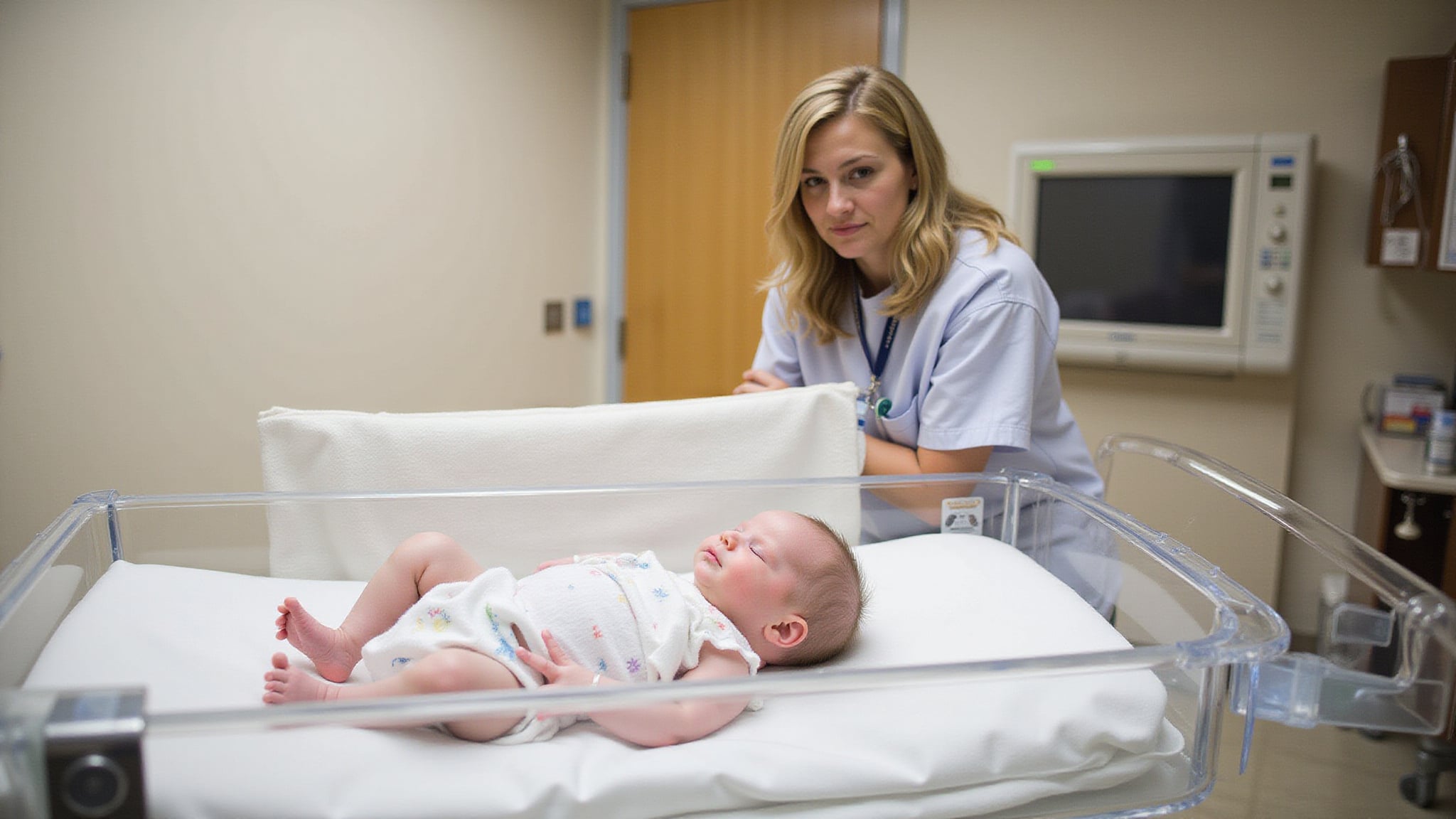
NAS in a newborn often looks like tremors, irritability, high-pitched crying, poor sleep, and stiff, tense muscles, which are nervous system signs you may notice first. Your baby might also struggle to feed, vomit, or have loose stools, which signal gastrointestinal withdrawal. Autonomic signs can include sweating, fever, frequent yawning or sneezing, and fast breathing. These signs typically appear within 48, 72 hours after birth, though timing varies with the substances involved, the level of exposure, gestational age, and your baby’s overall health.
In severe cases, seizures can occur. Clinicians watch closely for breathing problems, dehydration, and poor weight gain, since these affect your baby’s safety and growth. If you notice any of these signs, don’t wait to tell your care team. Sharing your exposure history honestly helps them anticipate symptoms and respond quickly.
How NAS is diagnosed and treated in the hospital
Your baby’s care team diagnoses NAS through close observation and your substance-exposure history, then treats it with supportive care, rooming-in, feeding support, and medication when needed. They’ll weigh your baby’s symptoms against gestational age and overall health, which helps them anticipate withdrawal and plan care. Treatment usually follows these steps:
- Supportive care first: Your team creates a quiet, dim environment and uses swaddling and gentle soothing.
- Rooming-in: You stay with your baby, offering skin-to-skin contact that comforts and supports bonding.
- Feeding support: Frequent, smaller feeds of breast milk or high-calorie formula address feeding difficulties.
- Medication when needed: If symptoms stay severe, clinicians may give oral morphine or methadone, then gradually reduce the dose.
If your baby needs medication, expect a longer hospital stay. Your team plans discharge around ongoing care and support for you both.
How NAS severity compares by substance

NAS severity varies by substance, with opioids most often causing withdrawal and other drugs sometimes adding signs, but substance is only one factor. Opioids are the most common cause of NAS, and other substances can also contribute. Your care team weighs several influences together:
| Factor | Why it matters |
|---|---|
| Substance type | Opioids most often cause withdrawal; other drugs may add signs |
| Exposure pattern | Amount and timing affect when and how strongly signs appear |
| Infant factors | Gestational age and overall health change how your baby responds |
Because these factors interact, you can’t predict severity from the substance alone. That’s why sharing an honest, complete exposure history matters. It helps clinicians anticipate withdrawal, plan observation, and respond early. Whatever your baby was exposed to, your team will focus on comfort, feeding, and steady recovery. Fetal alcohol syndrome can result in a range of physical, behavioral, and learning challenges. Early intervention plays a crucial role in improving outcomes for affected children.
Why treatment during pregnancy reduces NAS risk
Treatment during pregnancy reduces NAS risk by making your baby’s opioid exposure steady and monitored, which makes withdrawal more predictable and safer to manage. It is also one of the few factors you can actively influence. Methadone or buprenorphine maintenance won’t necessarily prevent NAS, since your baby may still show withdrawal signs, but coordinated care can make the course more predictable and safer. Here’s how: The risks of using cannabis during pregnancy can further complicate the situation. Studies suggest that cannabis use may be associated with low birth weight and developmental issues. It is essential for expectant mothers to discuss any substance use with their healthcare providers to ensure the best outcomes for their babies.
- Steady exposure: Maintenance treatment replaces unpredictable non-prescribed use with consistent, monitored dosing.
- Safer changes: Your healthcare team helps you avoid abruptly stopping opioids, which can pose risks.
- Clear history: Sharing your substance-exposure history lets clinicians anticipate withdrawal and plan newborn observation and care.
- Prepared care: Your team can arrange rooming-in, skin-to-skin contact, and feeding support before delivery.
You don’t have to manage this alone. Early, evidence-based, coordinated treatment supports your recovery and protects your baby.
How Élevé Wellness supports people seeking help during pregnancy
Élevé Wellness supports pregnant people using opioids or other substances by providing care without judgment and connecting them with coordinated, evidence-based treatment that involves their prenatal providers. Opioid use disorder during pregnancy requires collaboration between maternal and infant care teams, and reaching out for help is one of the most protective steps you can take for yourself and your baby. Rehab programs for pregnant women are essential in ensuring the health and well-being of both mother and child. These programs offer tailored support that addresses the unique challenges faced during pregnancy.
Don’t stop opioids abruptly. Sudden discontinuation can pose risks. Instead, we’ll support decisions about options like methadone or buprenorphine maintenance alongside your healthcare professionals.
Sharing an honest substance-exposure history helps your baby’s clinicians anticipate withdrawal and plan observation after birth. We’ll help you prepare for rooming-in, breastfeeding discussions, and discharge planning so you and your baby leave with ongoing support.
Conclusion
Learning that your baby could be born dependent is frightening, but neonatal abstinence syndrome is a well-understood, manageable condition, and you are far from powerless. NAS happens when substances that crossed the placenta are suddenly cut off at birth, with withdrawal signs like tremors, high-pitched crying, and feeding trouble usually appearing within 48 to 72 hours. Hospital teams are skilled at managing it, leading with gentle supportive care, rooming-in, skin-to-skin contact, and feeding support, and adding medication like oral morphine or methadone only when symptoms stay severe, then weaning it gradually. The single most protective thing you can do is get coordinated care during pregnancy and share an honest, complete exposure history, which lets your team anticipate withdrawal, plan observation, and avoid the risks of stopping opioids abruptly. Methadone or buprenorphine maintenance won’t always prevent NAS, but it makes the course steadier and safer for your baby. You don’t have to face any of this alone, and reaching out for help is one of the strongest, most loving steps you can take for both of you.
Compassionate Care for Expecting Mothers
Pregnancy and addiction need gentle, specialised support that protects both mother and baby. At Élevé Wellness in Hillsborough Township, NJ, our caring team provides trusted Intensive Outpatient Program (IOP) with evidence-based care and holistic healing for expecting mothers. Verify your insurance or Call (833) 902-7098 today and take the first step toward lasting recovery.
Frequently Asked Questions
Can I Breastfeed My Baby if I Take Methadone or Buprenorphine?
In many cases, yes. If you’re stable on methadone or buprenorphine treatment, your care team will often encourage breastfeeding, since it can comfort your baby and support bonding. However, they may advise against it if you’re using illicit drugs or have certain medical conditions. Talk with your healthcare professionals before deciding, and don’t stop or change your medication on your own. They’ll help you choose what’s safest for you both.
How Long Does a Baby With NAS Usually Stay in the Hospital?
There isn’t one standard length of stay; it depends on how your baby’s withdrawal unfolds. Signs usually appear within 48, 72 hours after birth, so your care team will watch during that window. If supportive care like swaddling, rooming-in, and frequent feeds controls symptoms, you may go home sooner. If your baby needs morphine or methadone, you’ll likely stay longer while clinicians gradually reduce the dose. Discharge planning supports you both.
Can I Room in With My Baby During NAS Treatment?
Yes, in many cases you can. Rooming-in with a parent is often part of NAS supportive care, alongside skin-to-skin contact, swaddling, and a quiet, dim environment. Your presence can comfort your baby and support bonding. Your care team will decide what’s appropriate based on your baby’s symptoms, gestational age, and overall health. If your baby needs medication or a longer stay, ask your team how you can stay closely involved.
Does NAS Cause Long-Term Developmental Problems as My Child Grows?
Your child’s long-term course isn’t predetermined, and it depends on the substances involved, exposure, gestational age, and overall health, so you can’t assume either outcome. You’ll want discharge planning that covers ongoing infant care and support for you both. Ask your pediatrician about developmental monitoring, and raise any concerns about feeding, sleep, or milestones early. You’re already helping your child by asking.
What Follow-Up Care Does My Baby Need After Hospital Discharge?
Your baby’s follow-up care should come from a discharge plan your care team builds with you. It should cover ongoing infant care and support for you and your baby. If your baby needed medication or had more severe withdrawal, your baby may need a longer hospital stay first. Ask your team which feeding, weight, and sleep concerns to watch, and who you’ll see, and when, after discharge. You’re not alone.