
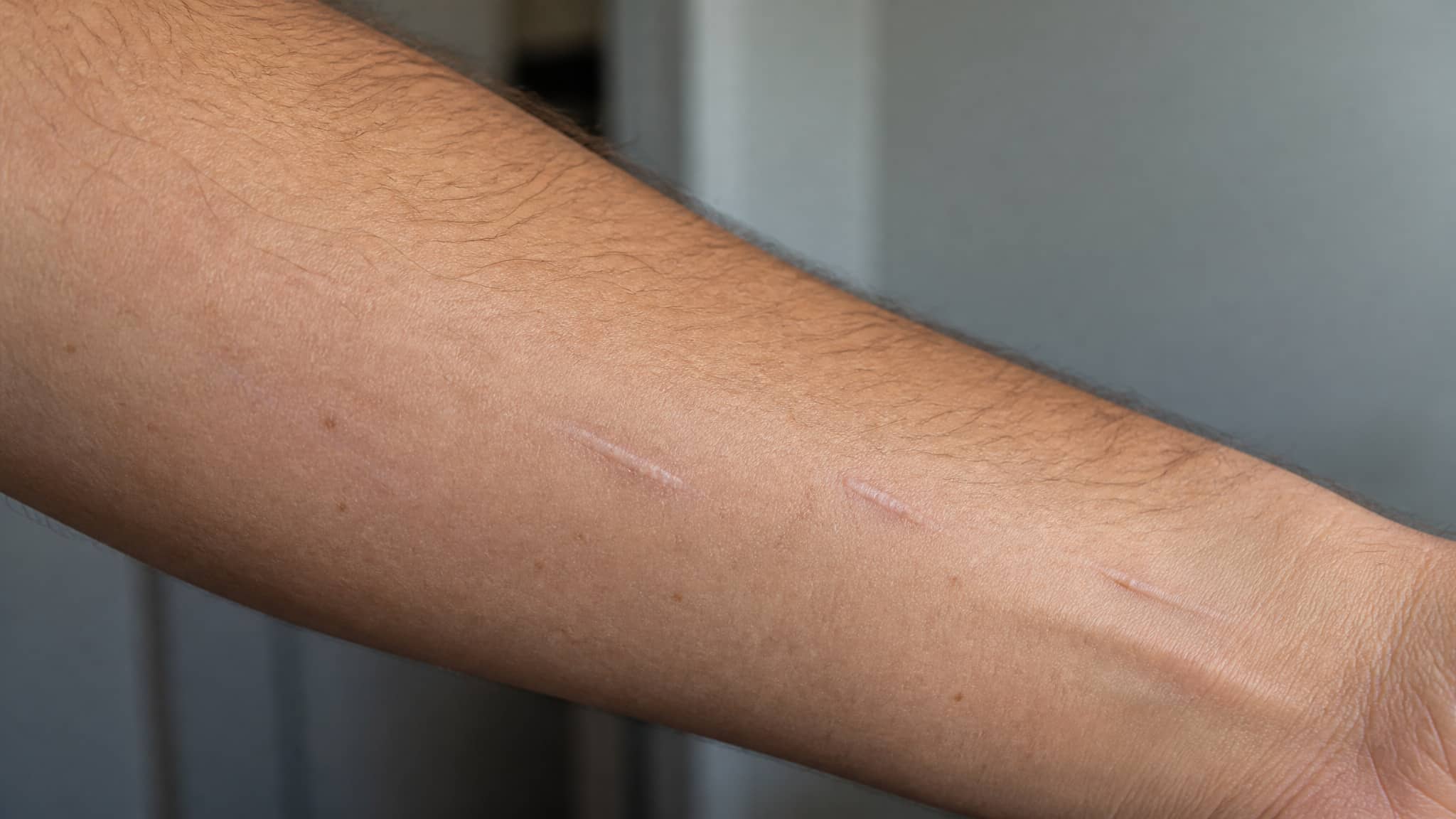





If you have bipolar disorder, your lifetime risk of a substance use disorder is about 56%, roughly four times the 14% seen in the general population. Bipolar I carries the highest risk, at 60.7%. The link runs both ways, and no single cause explains it. Substances can blur mood symptoms, which makes diagnosis harder. Integrated care that treats both conditions together works best. Here’s how the overlap shows up and what effective treatment looks like.
Key Takeaways
- About 56% of people with bipolar disorder develop a substance use disorder, compared with roughly 14% of the general population.
- The link runs both ways: bipolar I raises SUD risk 2, 5.8 times, while drug use disorder raises bipolar I odds 1.4, 1.5 times.
- Substances can blur mood symptoms, so clinicians assess mood-episode timing alongside detailed substance-use history.
- Co-occurring conditions often cause unstable moods, longer episodes, frequent relapses, missed medications, hospitalizations, and suicide attempts.
- Integrated dual-diagnosis care that treats mood and addiction together in the same setting is the recommended best approach.
How are bipolar disorder and addiction linked

Bipolar disorder and addiction are distinct conditions that co-occur far more often than chance would predict. If you have bipolar disorder, your lifetime risk of a substance use disorder (SUD) is about 56%, compared with roughly 14% in the general population. That figure reaches 60.7% for bipolar I and 48.1% for bipolar II. National survey data show bipolar I carries 2, 5.8 times greater SUD risk, while a drug use disorder raises your odds of bipolar I by 1.4, 1.5 times. Still, these numbers don’t prove that either condition causes the other. Substance use can also mimic or mask mood symptoms, so your clinician should review what you use, how much, how often, and how long, alongside the timing and course of your mood episodes.
Why people with bipolar disorder are at higher risk
Researchers haven’t identified a single reason people with bipolar disorder face higher addiction risk, but the elevated risk itself is consistent across study types. If you have bipolar disorder, the evidence shows: Individuals with bipolar disorder may also struggle with adhd and substance use disorders, compounding their challenges. Treatment options should consider the interplay between these conditions to improve outcomes.
No single cause explains it, but across study types, people with bipolar disorder consistently face a higher risk of addiction.
- Your lifetime chance of any substance use disorder is about 56.1%, compared with 13.8% in the general population.
- National survey data link bipolar I disorder with 2, 5.8 times greater SUD risk.
- The link runs both ways: a drug use disorder carries 1.4, 1.5 times greater odds of bipolar I.
- Risk varies by subtype, with lifetime estimates of 60.7% for bipolar I and 48.1% for bipolar II.
These figures don’t prove either condition causes the other. They do mean your clinician should assess substance use alongside the timing and course of your mood episodes.
How manic and depressive episodes drive substance use differently

Manic and depressive episodes can each shape substance use in their own way, and tracking how your use shifts across episodes gives your clinician valuable information. Keep in mind that co-occurrence doesn’t prove causation in either direction. Substances can blur the picture, making it harder for your clinician to tell substance effects from mood symptoms. That’s why a careful evaluation looks at your substance-use history alongside the timing and course of your mood episodes. Expect questions about which substances you use, how much, how often, by what route, in what pattern, and for how long. This matters because co-occurring SUD is linked to greater affective instability, longer mood episodes, and higher relapse risk.
What the signs of co-occurring bipolar and addiction are
Signs of co-occurring bipolar disorder and a substance use disorder (SUD) often show up in how the illness behaves over time rather than in a single symptom. Patterns you might notice include:
When bipolar disorder and substance use occur together, the clearest signs often appear in how the illness unfolds over time, not in one symptom.
- More severe symptoms and greater affective instability, with moods shifting less predictably.
- Longer, more protracted mood episodes and more frequent relapses.
- Difficulty staying with treatment, including missed medications or dropping out of SUD care.
- More emergency visits, hospitalizations, or suicide attempts.
Even after you stop using, recovery may take longer. Because substances can complicate assessment of mood symptoms, a clinician should review what you use, how much, how often, and for how long, alongside when your mood episodes began. If you’re experiencing suicidal thoughts, tell your provider right away.
How bipolar dual diagnosis compares to other co-occurring pairs
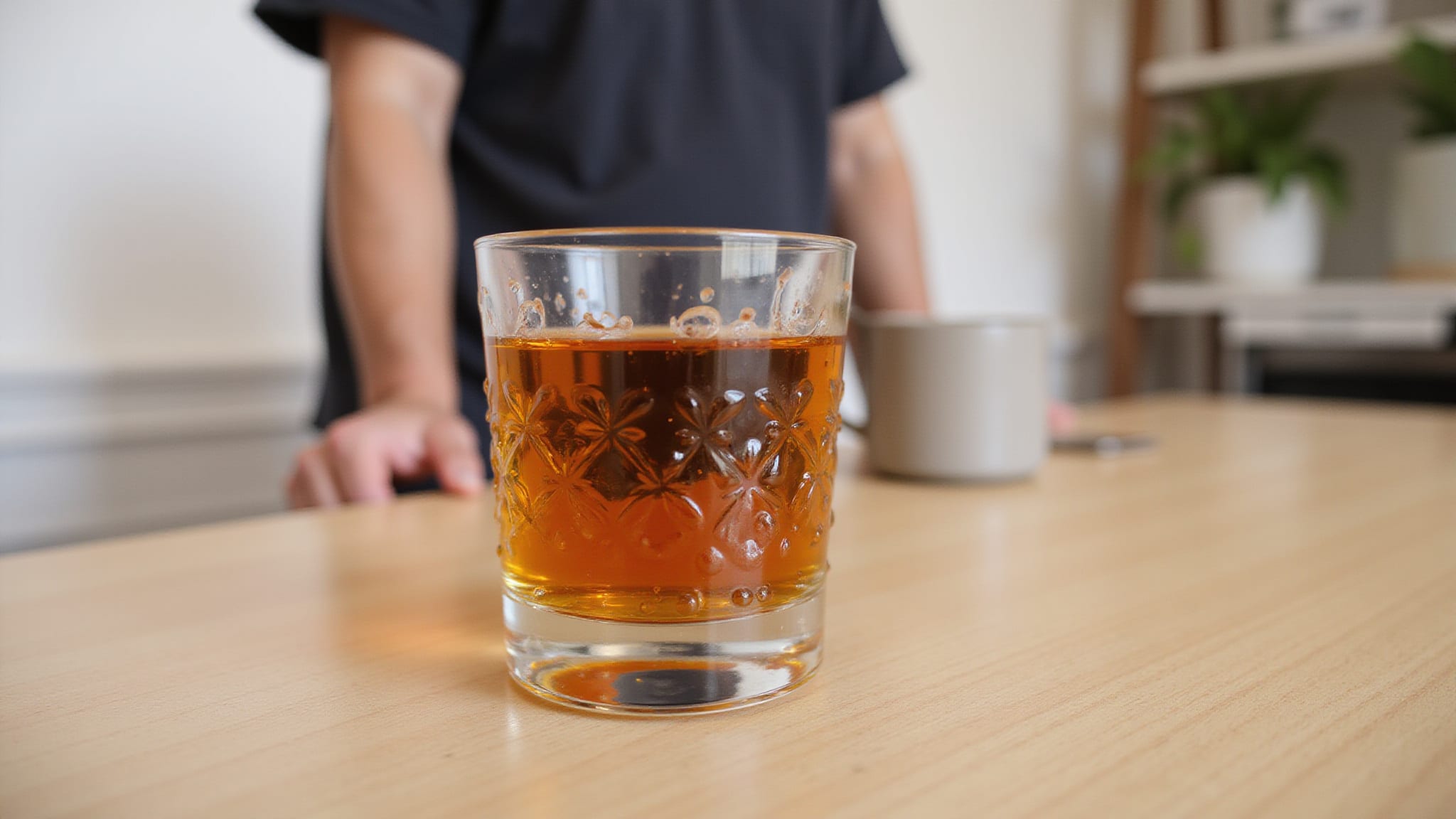
Bipolar dual diagnosis carries a markedly higher addiction risk than most people face, with lifetime odds of a substance use disorder (SUD) roughly four times the general population’s if you live with bipolar disorder.
| Group | Lifetime SUD prevalence | What it means for you |
|---|---|---|
| General population | 13.8% | About 1 in 7 |
| Bipolar II | 48.1% | Nearly 1 in 2 |
| Bipolar I | 60.7% | About 3 in 5 |
Within this pairing, alcohol (about 30%) and cannabis (24, 36%) lead, with cocaine and stimulants near 17%. National data show bipolar I carries 2, 5.8 times greater SUD risk, and a drug use disorder raises odds of bipolar I 1.4, 1.5 times. These figures clearly show association, not cause. They signal you deserve screening and care for both conditions together.
Why mood stabilization and addiction treatment must happen together
Mood stabilization and addiction treatment must happen together because each condition keeps the other going, so treating only one at a time rarely works. Co-occurring substance use disorder drives more severe symptoms, protracted mood episodes, and higher relapse risk, so untreated substance use can undermine even well-managed mood treatment. A review of 24 clinical guidelines identifies integrated care, addressing both conditions in the same setting, as the best approach. Integrated care includes these elements: Ocd treatment options for individuals can vary significantly, depending on the severity of the symptoms and personal circumstances. Cognitive-behavioral therapy is often recommended as a primary treatment, helping individuals to develop coping strategies and challenge their obsessive thoughts.
Treating mood and addiction together works best, because each condition fuels the other and untreated substance use undermines even well-managed mood care.
- Your clinicians assess substance use and mood symptoms together.
- You take mood stabilizers, such as lithium or valproic acid, recommended for co-occurring alcohol, cannabis, or cocaine use disorders.
- You join integrated group therapy, which teaches you strategies to prevent both substance relapse and mood episodes.
- Your plan includes ongoing suicide-risk evaluation, since dual diagnosis raises your attempt risk.
How Élevé Wellness treats bipolar disorder and addiction
Élevé Wellness treats bipolar disorder and substance use disorder together in one coordinated plan rather than in separate, sequential programs.
Your care starts with a thorough assessment. Clinicians review your substance type, quantity, frequency, pattern, route, and duration of use, then map it against the timing and course of your mood episodes. Because co-occurring SUD raises suicide-attempt risk, you’ll also receive a suicide-risk evaluation.
Your plan combines medication and psychosocial therapy. When appropriate, your prescriber may consider mood stabilizers such as lithium or valproic acid. In therapy, you’ll learn cognitive-behavioral strategies that target both substance-use relapse and mood episodes, consistent with integrated group therapy. Since functional recovery can lag behind abstinence, your plan doesn’t simply end when use stops.
Conclusion
Bipolar disorder and addiction co-occur far more often than chance would predict, with roughly 56% of people with bipolar disorder developing a substance use disorder, about four times the general population’s risk, and the link runs in both directions. No single cause explains it, and the numbers show association rather than proof that one condition causes the other, but what they make unmistakable is that you deserve screening and care for both at once. Because substances can blur mood symptoms and co-occurring use drives more severe, longer, and more relapse-prone episodes, treating only one condition at a time rarely holds. The clear takeaway from the evidence, including a review of 24 clinical guidelines, is that integrated care works best: assessing mood and substance use together, using mood stabilizers like lithium or valproic acid when appropriate, building relapse- and episode-prevention skills in integrated therapy, and keeping suicide-risk evaluation part of the plan. Recovery may take time, and functional gains can lag behind abstinence, but with both conditions treated together and supported well beyond the point where use stops, steady, lasting stability is genuinely within reach.
Call Today and Heal From the Inside Out
Whether you’re facing OCD, PTSD, ADHD, or bipolar disorder alongside addiction, integrated care treats both at the same time. At Élevé Wellness in Hillsborough Township, NJ, our compassionate team delivers dependable Co-Occurring Disorders Treatment built around whole-person healing. Verify your insurance or Call (833) 902-7098 today and begin a healthier chapter in your life.
Frequently Asked Questions
Can Substance Use Trigger Bipolar-Like Symptoms in Someone Without Bipolar Disorder?
Yes, substance use can produce mood symptoms that resemble bipolar disorder, which is why clinicians look closely at timing. If you’ve used alcohol, cannabis, cocaine, or stimulants, they’ll ask about the type, quantity, frequency, pattern, route, and duration of your use, and whether mood episodes began before or after it. Co-occurrence doesn’t prove one condition causes the other, so an accurate evaluation separates substance effects from an independent mood disorder.
Which Substances Are Most Commonly Misused by People With Bipolar Disorder?
You’ll most often see alcohol and cannabis misused alongside bipolar disorder. Across 78 clinical studies, alcohol use averages 30%, while cannabis use disorder estimates range from 24% to 36%. Cocaine and other stimulants also contribute; combined other drug use disorders reach about 17%. If you’re living with bipolar disorder, you face a lifetime SUD prevalence of 56.1%, versus 13.8% in the general population, so thorough screening of your use matters.
Does Having Both Conditions Increase the Risk of Suicide Attempts?
Yes, it does. If you have bipolar disorder and a substance use disorder, you’re at greater risk of suicide attempts. Research identifies current or lifetime SUD as a significant risk factor, and one review found a drug use disorder history roughly doubled the odds of a lifetime attempt. Evidence links this to attempts, not necessarily suicide death. Your care team should assess suicide risk alongside substance use and mood symptoms.
Can Lithium or Other Mood Stabilizers Be Taken Safely During Recovery?
Yes, guidance recommends mood stabilizers, including lithium and valproic acid, if you’re managing bipolar disorder alongside alcohol, cannabis, or cocaine use disorder. You’ll get the most benefit when you take them within integrated care that treats both conditions together, ideally alongside integrated group therapy. Because ongoing substance use can affect symptoms and adherence, you’ll want to share your full use history so your clinician can tailor and monitor your plan.
Does Stopping Substance Use Fully Restore Daily Functioning in Bipolar Disorder?
Not always. Stopping substance use is an important step, but research shows your functional recovery may remain poorer even after you’ve reached abstinence. Co-occurring use predicts more affective instability, longer mood episodes, and higher relapse risk, so its effects can linger. You’ll likely benefit most from integrated care that treats both conditions together, combining mood-stabilizing medication with psychosocial therapy like integrated group therapy to help you steadily rebuild daily functioning.