






Medication-assisted treatment (MAT) combines FDA-approved medications methadone, buprenorphine, or naltrexone with counseling and behavioral therapy to treat opioid and alcohol use disorders. These medications stabilize your brain and body chemistry, reducing cravings and easing withdrawal. MAT first addresses physical dependence, then targets craving control to support stabilization, relapse prevention, and long-term recovery. It’s evidence-based and doesn’t substitute one addiction for another. Here’s how MAT works and what makes it effective.
Key Takeaways
- MAT combines FDA-approved medications with counseling, behavioral therapy, and ongoing monitoring to treat opioid and alcohol use disorders.
- Medications like methadone, buprenorphine, and naltrexone reduce cravings, ease withdrawal, and stabilize disrupted brain chemistry.
- Treatment first addresses physical dependence and withdrawal, then shifts toward craving control and relapse prevention.
- MAT is evidence-based, can double abstinence outcomes, improves retention, and lowers overdose risk without replacing one addiction with another.
- For OUD, MAT supports stabilization, relapse prevention, long-term recovery maintenance, and overdose risk reduction.
What is medication-assisted treatment (MAT)

Medication-assisted treatment (MAT) combines FDA-approved medications with counseling, behavioral therapies, and ongoing patient monitoring to treat substance use disorders. You’ll most often encounter MAT for opioid use disorder (OUD), though it’s also used for alcohol use disorder. It’s an evidence-based approach designed to reduce cravings, ease withdrawal, and support your long-term recovery.
Rather than a short detox-only intervention, MAT is typically structured as long-term treatment. It helps stabilize the brain and body chemistry disrupted by opioid or alcohol dependence, lowering your risk of relapse and reducing the drive to use illicit opioids.
You won’t rely on medication alone. MAT integrates behavioral therapy and coordinates with broader care, addressing the medical, psychological, and social needs tied to your addiction and recovery.
How MAT combines medication with therapy
MAT combines medication with therapy by pairing them to work together rather than in isolation, since each targets different aspects of recovery. Medications like methadone, buprenorphine, or naltrexone stabilize your brain and body chemistry, reducing cravings and easing withdrawal. That physical stabilization creates the foundation you need to engage in behavioral therapy and counseling, which address the psychological and behavioral drivers of substance use.
You’ll typically start by managing physical dependence and withdrawal, then shift toward craving control and relapse prevention. Behavioral therapy helps you build coping skills, while your care team monitors progress and adjusts treatment. Many programs also coordinate medical, psychological, and social services to address needs tied to addiction.
This combined approach improves treatment retention and abstinence outcomes compared with medication or counseling alone.
What medications are used (methadone, buprenorphine, naltrexone)
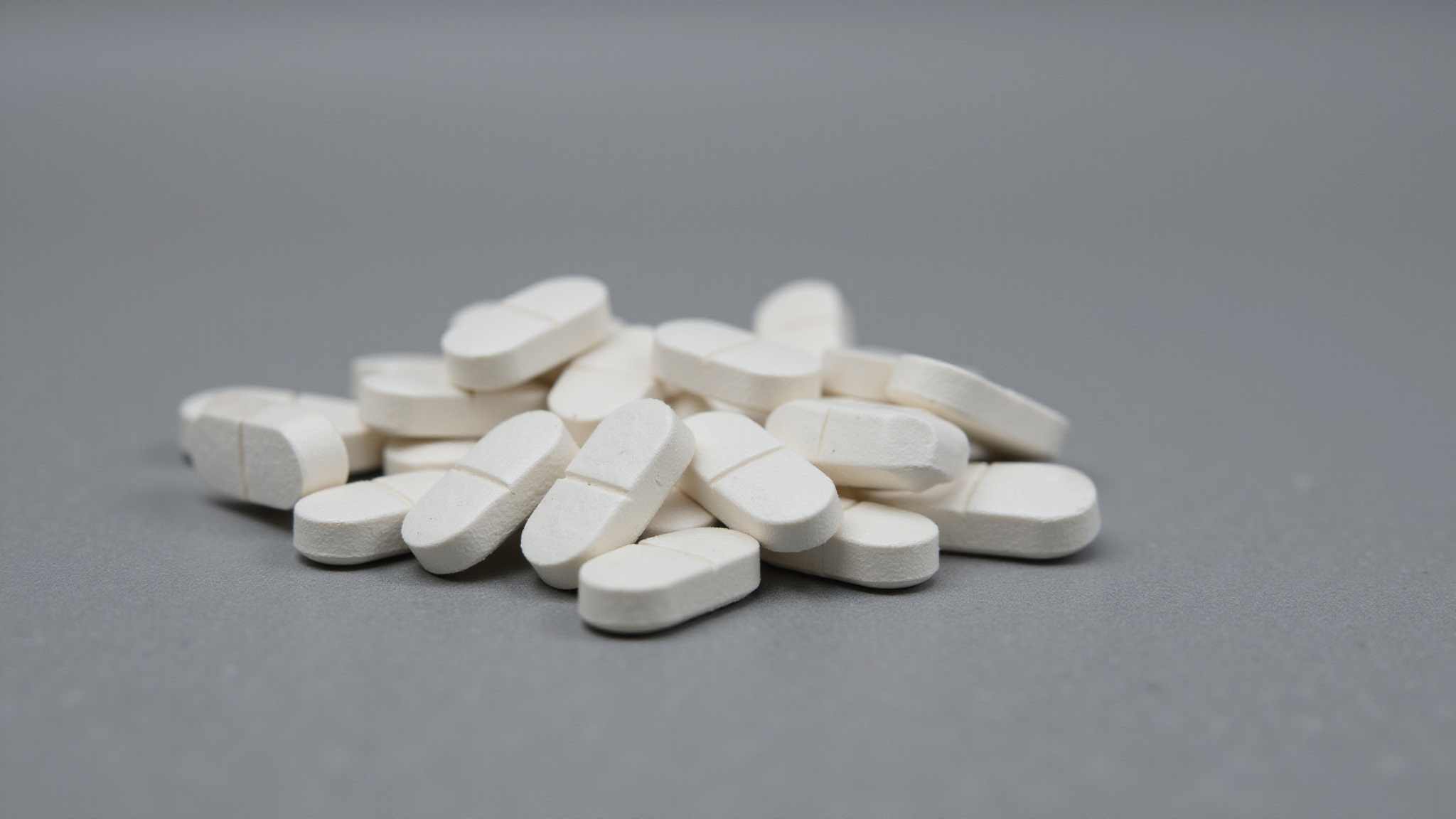
The three medications used for opioid use disorder are methadone, buprenorphine, and naltrexone, all approved by the FDA. Each works differently in your body. Methadone and buprenorphine are agonist therapies that act on opioid receptors to reduce cravings and prevent withdrawal symptoms. Methadone is often described as a gold-standard option for OUD treatment. Buprenorphine may be prescribed with or without naloxone, and you can receive it in office-based settings.
Naltrexone works differently, blocking opioid effects in your body to reduce the reinforcement you’d otherwise get from opioid use. You’ll find naltrexone available in daily oral and extended-release formulations.
Timing matters with some of these medications. You’ll typically start buprenorphine only after moderate withdrawal begins, which helps you avoid precipitated withdrawal and supports a smoother entry into treatment.
What conditions MAT treats
MAT treats opioid use disorder and alcohol use disorder. Opioid use disorder is the primary condition MAT treats, supporting your stabilization, relapse prevention, and recovery maintenance. If you’re dependent on opioids, MAT addresses your physical dependence and withdrawal first, then targets craving control to reduce your drive to use illicit opioids. It also appears in clinical and public health materials for alcohol use disorder treatment.
MAT addresses your physical dependence first, then targets cravings supporting stabilization, relapse prevention, and long-term recovery from opioid use disorder.
For OUD, MAT supports you through:
- Stabilization of brain and body chemistry disrupted by dependence
- Relapse prevention by reducing cravings and withdrawal
- Recovery maintenance over the long term
- Overdose risk reduction throughout treatment
MAT can also integrate with broader care for your medical, psychological, and social needs tied to addiction, giving you coordinated support rather than isolated medication management alone.
How the main MAT medications compare

Three FDA-approved medications stand out for opioid use disorder: methadone, buprenorphine, and naltrexone. Each works differently in your body, so understanding their mechanisms helps you and your provider choose the right fit.
| Medication | How It Works |
|---|---|
| Methadone | Full opioid agonist that reduces cravings and withdrawal; often cited as a gold-standard option |
| Buprenorphine | Partial opioid agonist, available with or without naloxone; suitable for office-based settings |
| Naltrexone | Opioid antagonist that blocks opioid effects; offered in daily oral and extended-release forms |
Methadone and buprenorphine ease withdrawal and cravings by acting on opioid receptors. Naltrexone reduces reinforcement by blocking those effects. Your timing matters too. You’ll start buprenorphine only after moderate withdrawal begins to avoid complications.
Why MAT is evidence-based and not substituting one addiction for another
MAT is evidence-based and does not substitute one addiction for another because it stabilizes the brain chemistry that dependence has disrupted, restoring function rather than swapping one addiction for another. Addiction involves compulsive use despite harm; MAT does the opposite by reducing cravings, easing withdrawal, and supporting recovery. The research backs this distinction:
- MAT can at least double opioid-abstinence outcomes compared with psychosocial treatment alone in randomized trials.
- Agonist therapies like methadone and buprenorphine improve treatment retention and reduce illicit opioid use.
- Methadone has kept individuals opioid-free at rates as high as 60% in one cited review.
- Longer-term MAT correlates with better retention and lower overdose risk.
When you take these medications as prescribed, you’re stabilizing physiology, not chasing a high, which is why clinicians consider MAT life-saving and evidence-based.
How Élevé Wellness provides medication-assisted treatment
Élevé Wellness provides MAT as long-term, integrated care rather than a short detox-only intervention. You’ll start with an assessment of your physical dependence, withdrawal, and craving patterns, which guides medication selection among FDA-approved options like buprenorphine, methadone, or naltrexone. We time buprenorphine initiation to begin after moderate withdrawal sets in, reducing complications. Your treatment pairs medication with counseling and behavioral therapy, addressing the psychological and social factors tied to your addiction. We monitor your progress, adjust dosing, and coordinate with other medical and psychological services as needed. For eligible patients, we offer office-based care using buprenorphine or naltrexone. Throughout, we prioritize retention, since longer-term MAT improves outcomes, while lowering your overdose and relapse risk and supporting sustained recovery.
Start Evidence-Based Addiction Treatment
Medication-assisted treatment can reduce cravings, ease withdrawal, and support long-term recovery from opioid or alcohol use disorder. Élevé Wellness combines medication when appropriate with counseling and behavioral therapy to help you build a stronger foundation for recovery. Call (833) 902-7098 or verify your insurance today to explore your treatment options.
Frequently Asked Questions
How Long Does Medication-Assisted Treatment Typically Last?
You’ll typically stay on MAT long-term rather than for a brief detox period. It’s designed as ongoing treatment, and research shows longer duration is associated with better retention and outcomes. Your exact timeline depends on your individual needs, progress, and recovery goals. There’s no fixed endpoint you might continue for months or years while stabilizing brain chemistry, managing cravings, and preventing relapse. Work with your provider to determine what’s right for you.
Are There Side Effects Associated With MAT Medications?
Yes, MAT medications can cause side effects. With methadone and buprenorphine, you might experience constipation, nausea, drowsiness, or headache. Naltrexone can cause nausea, fatigue, or headache, and it requires you to be fully withdrawn before starting to avoid precipitated withdrawal. Buprenorphine timing matters too you’ll need to wait until moderate withdrawal begins. Your provider will monitor you closely, adjusting your treatment to manage side effects while supporting your recovery.
Is MAT Safe to Use During Pregnancy?
MAT can be used during pregnancy, and methadone and buprenorphine are the recommended options for treating opioid use disorder in pregnant patients. These agonist therapies help you avoid withdrawal and reduce relapse risk, which supports both your health and your pregnancy. You’ll need close medical monitoring throughout, since your care team must adjust dosing and prepare for possible neonatal effects. Discuss your specific situation with your provider before starting or continuing treatment.
Does Insurance Usually Cover the Cost of MAT?
Coverage varies by your specific plan, but many insurance providers do cover MAT, since it’s an evidence-based, cost-saving treatment for opioid use disorder. Your benefits may include medications like methadone, buprenorphine, or naltrexone, along with counseling and behavioral therapy. You’ll want to verify what your plan covers, including copays, prior authorization requirements, and in-network providers. Contact your insurer directly or ask your treatment program to confirm your coverage details.
Can I Stop Taking MAT Medications Once I Feel Better?
You shouldn’t stop taking MAT medications on your own once you feel better. MAT is designed as long-term treatment, not a short-term fix, and stopping too early can increase your relapse and overdose risk. Feeling better often means the medication’s working, stabilizing your brain chemistry and controlling cravings. Talk with your provider before making any changes. Research shows longer-term MAT is associated with better retention and recovery outcomes, so don’t rush it.