
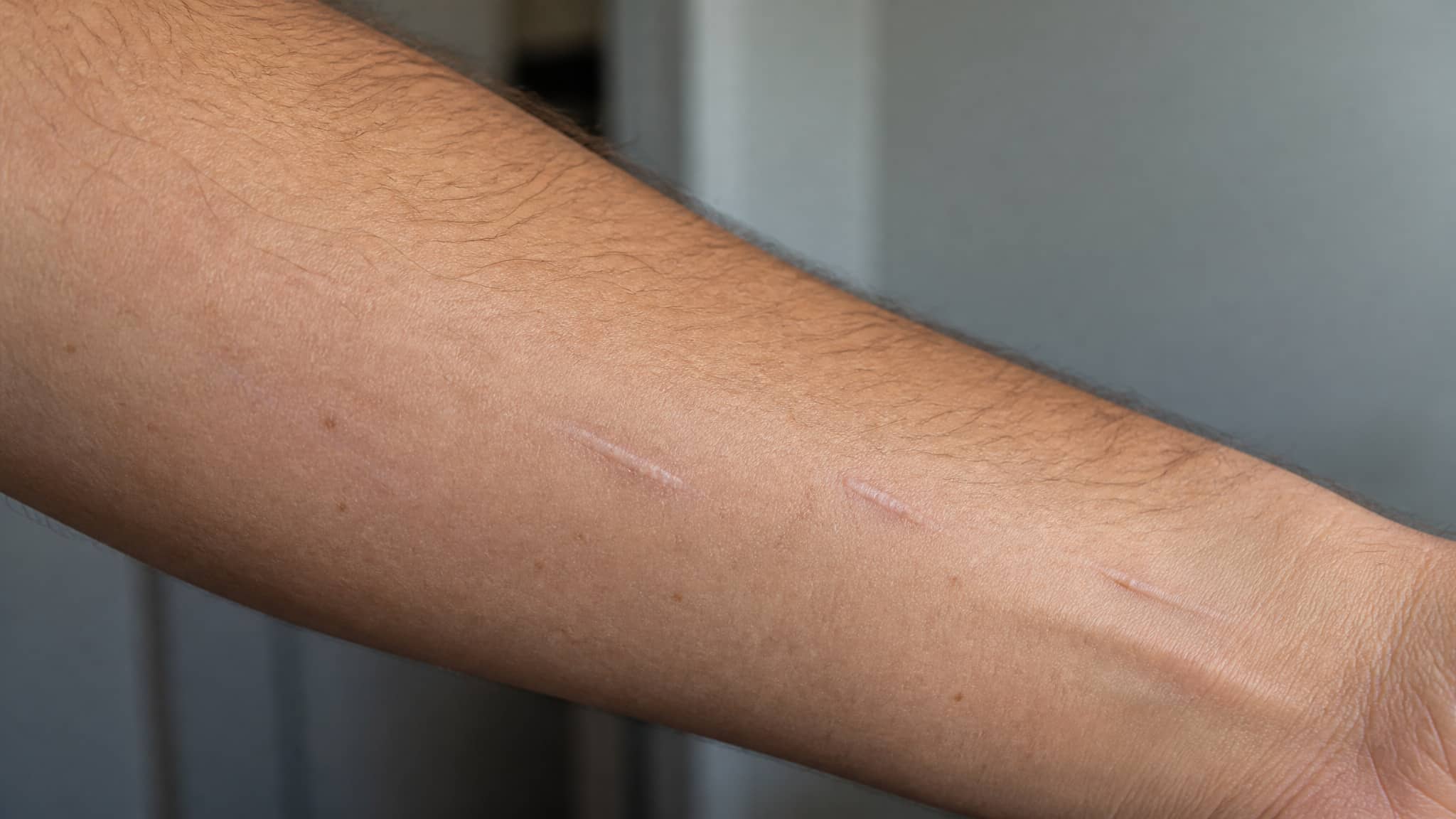





Track marks are small scars, scabs, and bruises that form along a vein after repeated injections. You’ll usually see them on your arms, following veins close to the skin’s surface. They start as puncture wounds or redness, then may scar as you reuse the same site. They show tissue injury, but they can’t confirm what’s injected, how often, or whether use is current. Below, you’ll find the warning signs of infection, vein collapse, and abscess.
Key Takeaways
- Track marks are scars that form along veins after repeated injections, often appearing as small scars, scabs, bruises, or puncture wounds.
- They most often appear on the arms and tend to follow a vein’s path rather than scattering randomly.
- Fresh sites may show redness or bruising, while repeated use of the same site leaves scars that make veins painful or hard to access.
- Track marks may suggest injection drug use, but they cannot confirm the substance, frequency, or whether injection is ongoing.
- Redness, warmth, swelling, or a hard painful lump may signal infection or abscess; seek emergency care for fever, red streaks, or chest pain.
What are track marks
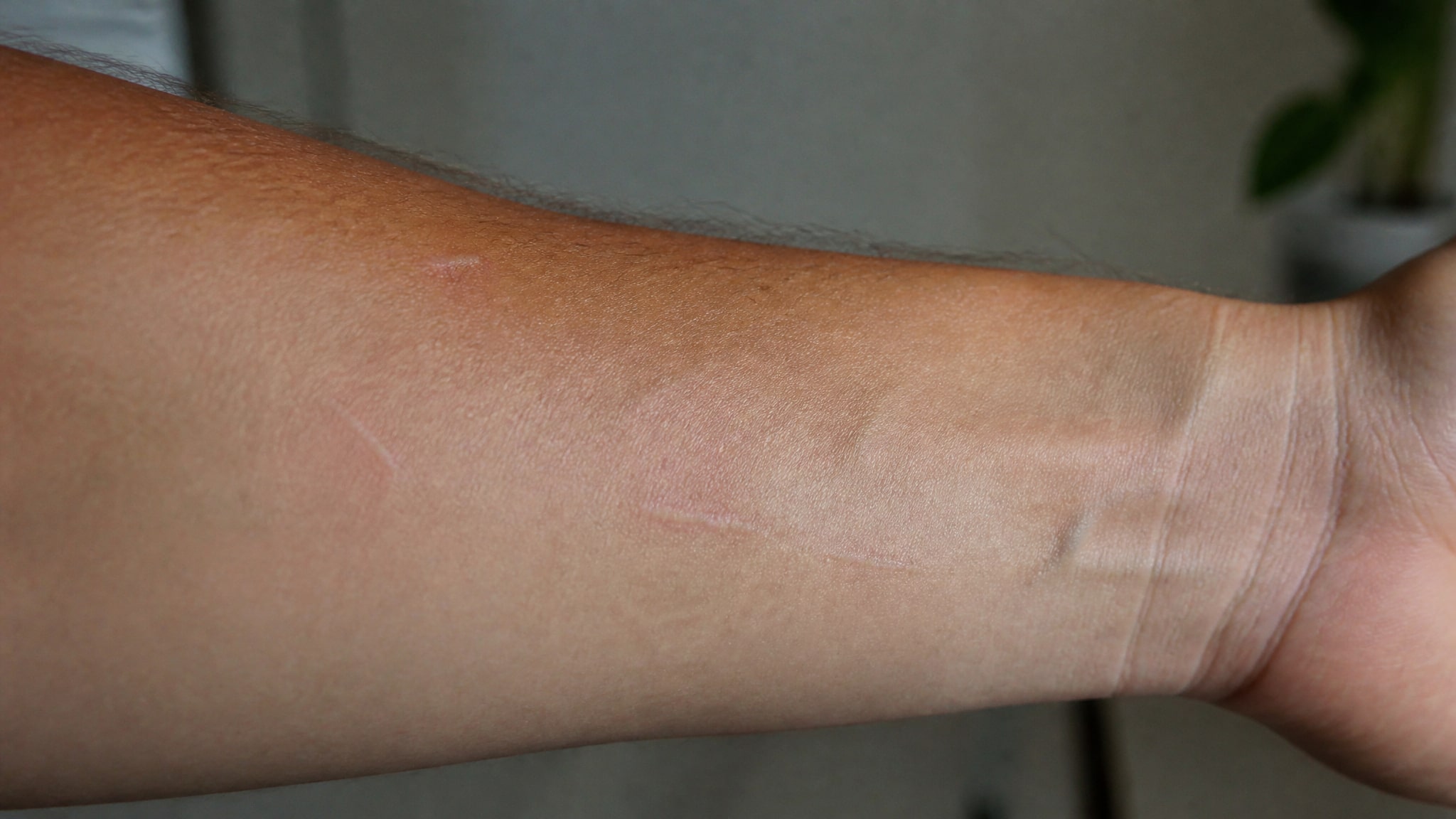
Track marks are scars that form along veins after repeated injections, especially when the same sites are used over time. You might notice small scars or scabs, sometimes with localized inflammation, along a vein or near a current injection site. Bruising, puncture wounds, and skin irritation can appear alongside them. You’ll often see them on your arms, but they can develop anywhere you inject.
They form because repeated injections injure veins and surrounding tissue. Reused or dull needles add trauma, and scar tissue can make old sites painful or harder to use. Appearance alone can’t confirm a mark’s cause, when it occurred, or whether infection is present. A clinician can assess your skin respectfully and without judgment about your history.
What track marks look like at different stages
Track marks look different over time because injection sites change as they heal or worsen. Right after an injection, you may see a small puncture wound or scab, sometimes with redness or irritation around it. If blood leaks from the vein into nearby tissue, you’ll notice a bruise that fades.
With repeated use of the same site, you may develop small scars along the vein. These scars can make the area harder to use and veins painful or difficult to access.
Some changes signal infection rather than healing. If you see redness, warmth, swelling, or tenderness, or feel a hard, warm, painful lump, you may have an abscess. Appearance alone can’t confirm the cause, timing, or presence of infection, so you’ll need clinical assessment.
Where on the body they typically appear
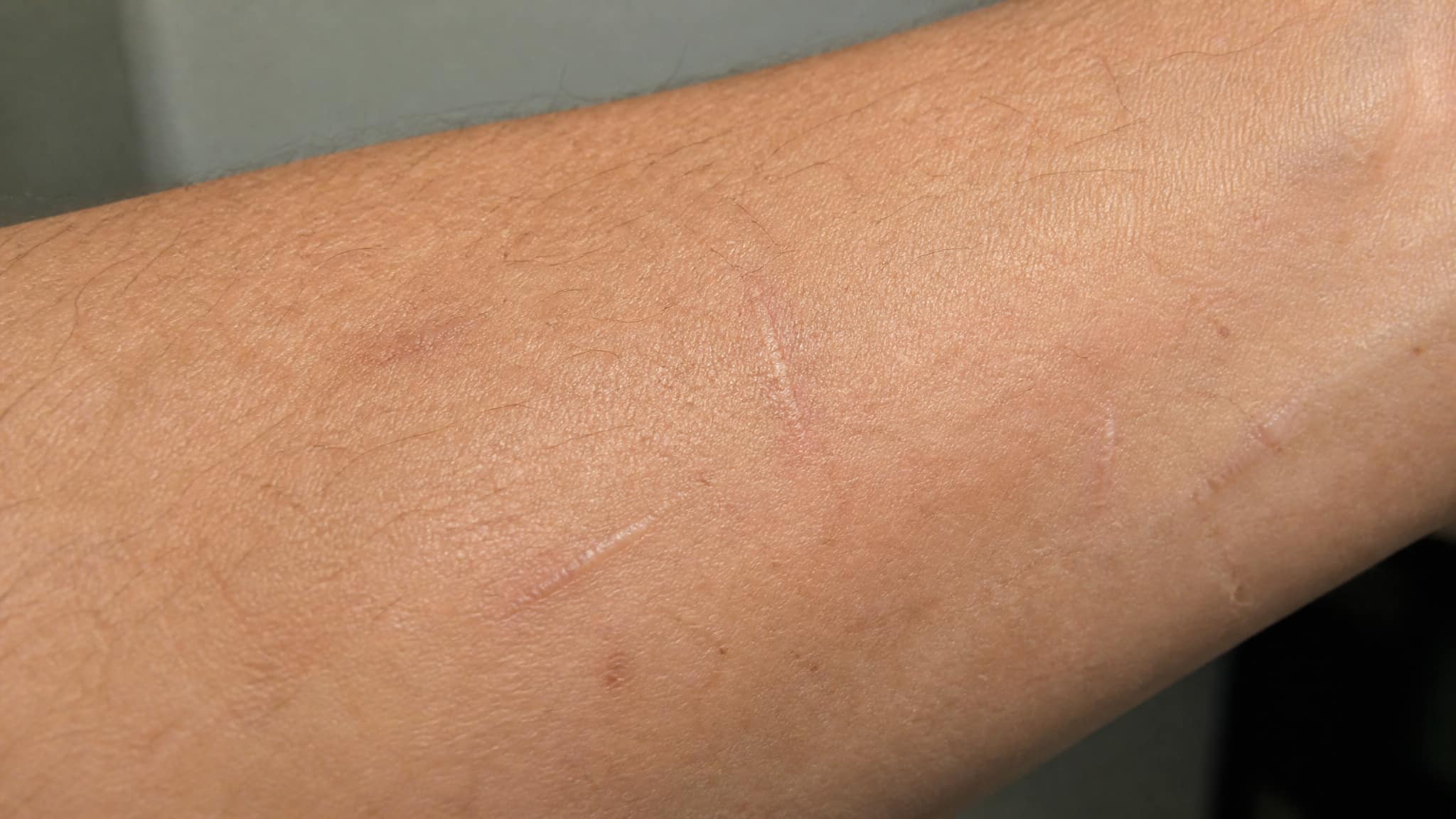
These marks most often appear on the arms, along veins that sit close to the skin’s surface. They can also appear on other body areas used for injections, and they tend to follow the path of a vein rather than scattering randomly.
Location often shifts over time. When you repeatedly use the same site, veins and surrounding tissue can become injured, scarred, or collapsed, making that spot painful or difficult to access. Scar tissue can leave previously used sites less usable, so marks may spread to new areas.
Location alone doesn’t confirm the cause. Bruises, scars, and skin irritation have many explanations. If you notice redness, warmth, or swelling, a prompt, respectful clinical assessment can help clarify.
What track marks indicate about the type and severity of use
Track marks reveal tissue injury and possible complications, not what substance someone injected, how often they inject, or whether they’re injecting now. They’re one possible sign of injection drug use, not proof.
| What you see | What it may reflect |
|---|---|
| Scarring along veins | Repeated injury at the same sites |
| Bruising | Blood leaking beneath the skin |
| Redness, warmth, swelling | Possible inflammation or infection |
Extensive scarring or collapsed veins may suggest repeated injections over time, but marks can’t establish when injuries occurred. A warm, hard, painful lump may signal an abscess. Spreading redness, fever, or worsening pain warrants prompt medical care. If you notice these signs, focus on a respectful clinical assessment rather than assumptions about someone’s behavior.
What health risks they signal (infection, vein collapse, abscess)
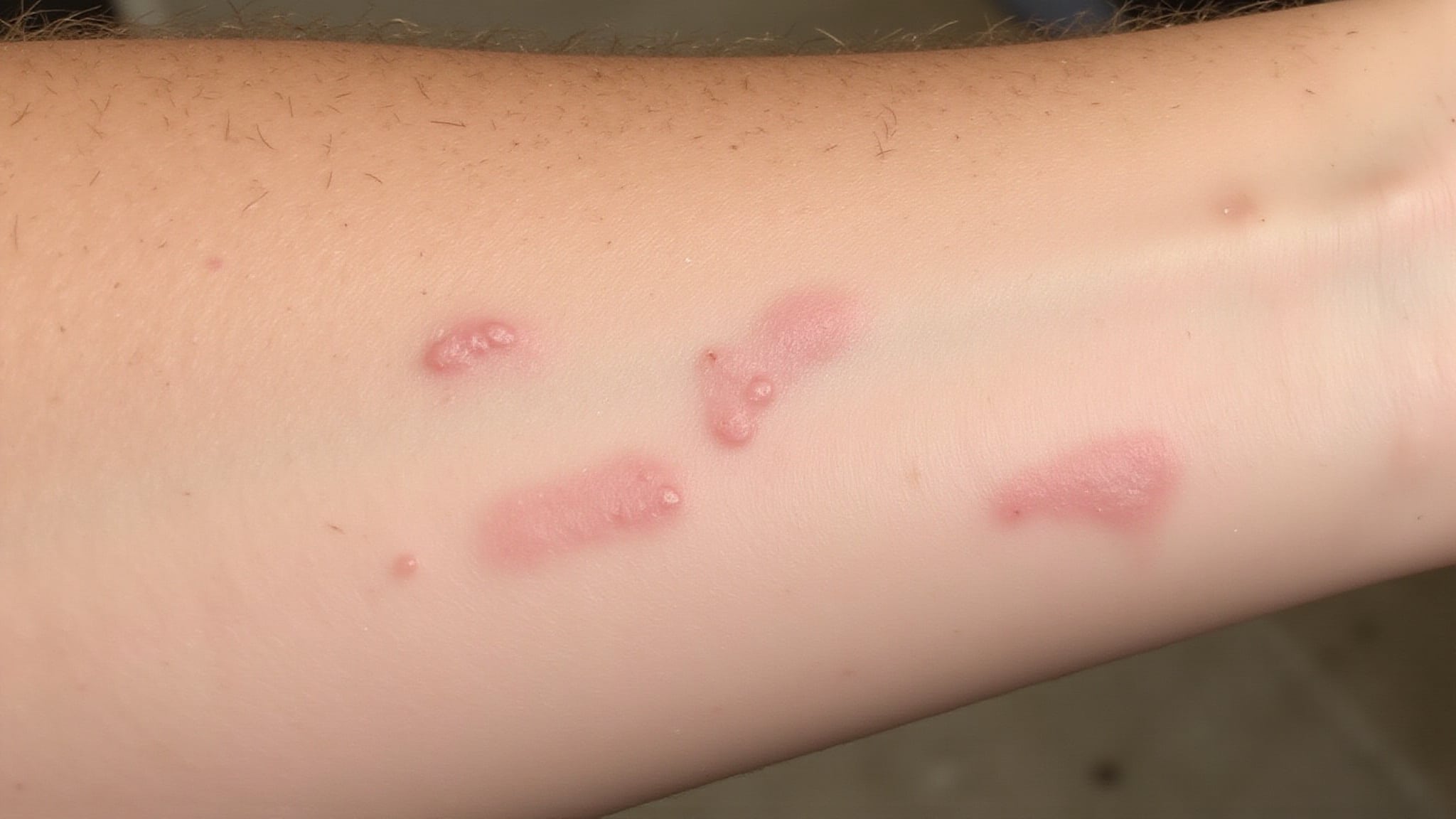
Track marks can signal infection, vein collapse, abscess, and spreading infection, because they often point to ongoing injury from repeated injections. Repeated injections can damage veins and surrounding tissue, and you can’t tell from appearance alone whether infection is present. Watch for these signs:
- Infection: Redness, warmth, swelling, or tenderness around a site may signal inflammation or bacterial infection.
- Vein collapse: Veins that feel hard, painful, or difficult to access suggest scarring and damage from repeated use.
- Abscess: A red, tender, swollen lump that feels warmer than nearby skin may contain pus. Don’t squeeze or cut it.
- Spreading infection: Red streaks, rapidly growing lumps, fever, or chills mean infection may be moving beyond the skin.
Seek emergency care for rapidly spreading infection, chest pain, or a high fever.
Why track marks are often a turning point for seeking help
Track marks are often a turning point because they make the physical toll of repeated injections hard to overlook, prompting many people to reconsider their health and seek support.
Scarring, bruising, or veins that are painful or difficult to use are evidence of repeated injury to tissue. These changes can signal risks, including skin infections, abscesses, and blood-borne infections.
You don’t need to wait for a complication to ask for help. A clinician can assess your skin and veins, treat infection early, and screen for blood-borne infections without judging your history. Syringe-service programs and other harm-reduction services can provide sterile supplies, wound care, and overdose-safety support.
If you notice spreading redness, fever, chills, or a worsening lump, seek care promptly. Acting now protects your health.
How Élevé Wellness helps people who inject drugs
Élevé Wellness helps people who inject drugs with respectful, nonjudgmental care for injection-related concerns. You won’t need to explain or defend your history before getting care. The focus stays on your health, safety, and next steps.
- A careful skin assessment: A clinician examines bruises, scars, puncture wounds, or warm, swollen lumps to check for inflammation or infection.
- Clear warning-sign guidance: You learn when spreading redness, fever, chills, or worsening pain need prompt or emergency care.
- Practical harm-reduction support: You get information on sterile, single-use supplies, site rotation, skin cleaning, and overdose safety.
- A plan built around you: Your care team discusses treatment options and support that fit your goals, pace, and circumstances.
You decide where to begin, and questions are always welcome.
Conclusion
Track marks are the visible record of repeated injury to veins and surrounding tissue, small scars, scabs, bruises, and puncture wounds that tend to follow a vein’s path, usually on the arms. What matters most to understand is what they can and can’t tell you: they point to tissue injury, but they can’t confirm what was injected, how often, or whether use is current, and plenty of ordinary things, from blood draws to eczema, can look just like them. That’s why the right response is never assumption or judgment, but a respectful clinical look. It also matters because some changes are more than cosmetic: redness, warmth, swelling, a hard painful lump, or red streaks and fever can signal infection, an abscess, or vein collapse, and spreading infection, chest pain, or a high fever is a reason to seek emergency care now. The hopeful part is that you don’t have to wait for a complication to reach out. A clinician can assess your skin, treat infection early, and screen for blood-borne infections without judging your history, and harm-reduction services can help protect your health along the way. For many people, noticing these marks becomes the moment they decide to ask for support, and that decision opens the door to real, compassionate recovery.
Find Compassionate Recovery From Opioid Use
Track marks can be the body’s signal that it’s time to reach out, and real recovery writes a new chapter with compassionate expert care. At Élevé Wellness in Hillsborough Township, NJ, we provide Intensive Outpatient Program (IOP) with evidence-based treatment for opioid addiction and substance use recovery. Verify your insurance or Call (833) 902-7098 today.
Frequently Asked Questions
Do Track Marks Ever Fade or Disappear Completely Over Time?
Some do, some don’t. Bruises and scabs usually heal as your skin recovers, but scarring from repeated injury to the same site often persists, and damaged or collapsed veins may not fully recover. You can reduce new damage by rotating sites and using sterile, single-use equipment. If a mark turns red, warm, swollen, or painful, or you develop fever, don’t wait; seek prompt medical care so a clinician can assess it.
Can Laser Treatments or Scar Creams Reduce the Appearance of Old Track Marks?
Yes, you can often make old track marks less visible, though treatments rarely erase them completely. Silicone gels or sheets may soften and flatten scars, while a dermatologist can use laser resurfacing or other procedures to even out texture and discoloration. Your results depend on scar depth and age. Before treatment, you’ll want a clinician to rule out active inflammation or infection, since redness, warmth, or swelling needs care first.
What Skin Conditions or Medical Procedures Can Be Mistaken for Track Marks?
Frequent blood draws, IV lines, dialysis access, and injected medications like insulin can leave bruises, puncture marks, or scars that resemble track marks. Insect bites, eczema, dermatitis, healed burns, and minor skin injuries can also look similar. Since appearance alone can’t confirm a cause, you shouldn’t assume someone’s using drugs. If you notice redness, warmth, swelling, or worsening pain, you’ll want a clinician to assess possible infection respectfully and without judgment.
How Should I Bring up Track Marks I’ve Noticed on a Loved One?
Choose a private, calm moment and lead with care, not accusation. You can gently say you’ve noticed marks and you’re worried about their health. Marks alone can’t prove drug use, so ask open questions and listen openly. Mention warning signs like spreading redness, warmth, fever, or a painful lump that need prompt medical care. Offer support, including harm-reduction services, without demanding explanations or assuming anything about their circumstances.
How Can I Care for Healing Injection Sites to Minimize Scarring?
Caring for healing sites focuses on preventing further injury and infection. Rotating sites gives tissue and veins time to recover, and sterile, single-use equipment causes less trauma than dull or reused needles. Keeping the skin clean supports healing, and you shouldn’t pick, cut, or squeeze lumps. If you notice spreading redness, warmth, worsening pain, or fever, seek prompt medical care. Syringe-service programs can provide sterile supplies and wound-care support without judgment.