





Anxiety pens are handheld devices that deliver CBD vapor or aromatherapy oils, claiming to ease stress through inhalation. While CBD shows promise in clinical trials for certain anxiety disorders, most studies use oral doses far exceeding typical pen concentrations. Aromatherapy pens lack validation that vaporized oils match diffusion benefits. The breathing ritual required during use may actually drive much of the relief you’re experiencing. Understanding what’s proven versus marketed helps you make informed choices.
What Are Anxiety Pens and What’s Inside Them?

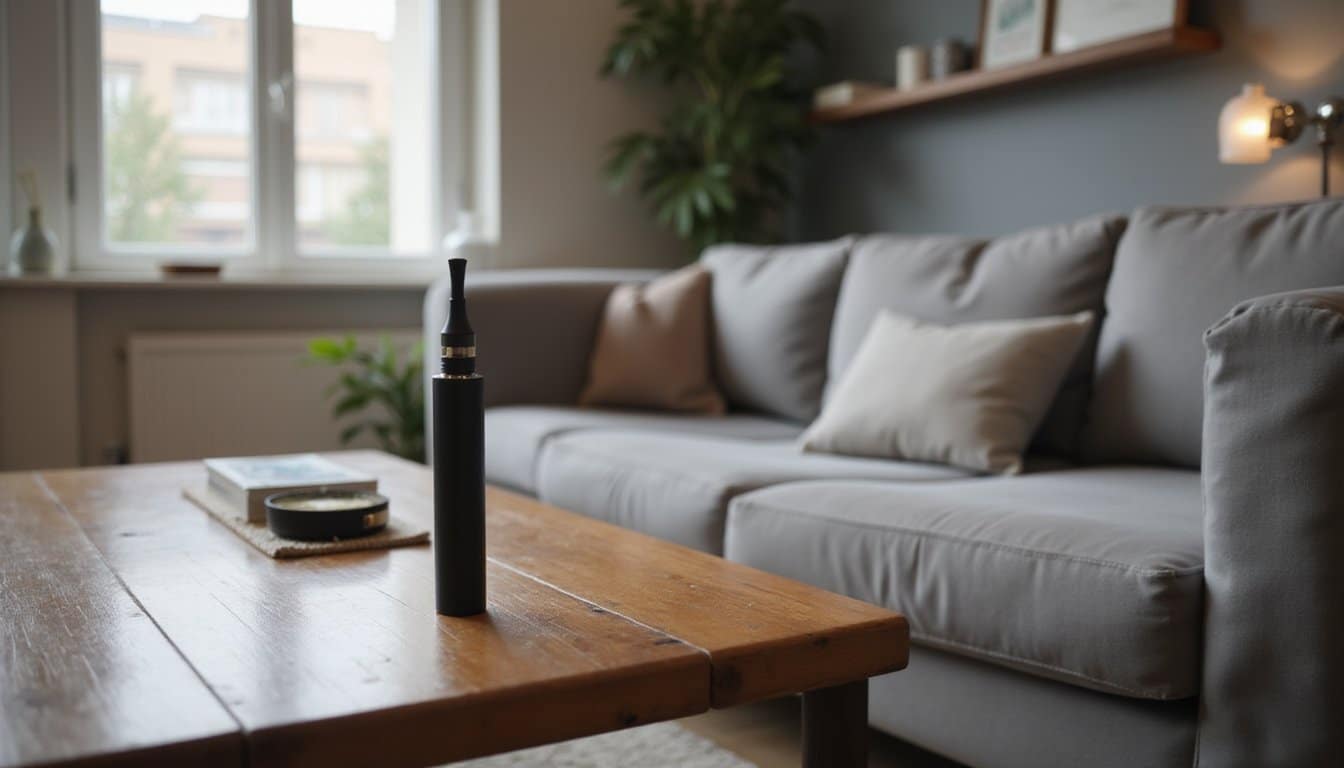
Anxiety pens are small handheld devices designed for inhaling substances that purportedly ease anxiety symptoms. If you’re wondering what is an anxiety pen, these portable vaporizers typically fall into two categories: CBD vape pens and aromatherapy devices.
CBD vape pens deliver the CBD compound, a non-psychoactive hemp derivative, through vapor inhalation into your bloodstream. The CBD then interacts with your endocannabinoid system to regulate mood, stress, and sleep responses. Aromatherapy versions contain essential oils like lavender or chamomile, activating your brain’s limbic system through inhaled plant compounds.
You should know these devices aren’t standardized. The placebo effect plays a significant role in perceived anxiety relief, and the breathing practice itself may contribute to calming effects. Contents vary widely between products, with typical formulations excluding nicotine but potentially containing unregulated substances, solvents, or flavorings that pose respiratory risks.
Three Ways Anxiety Pen Brands Claim to Reduce Stress
When manufacturers market anxiety pens, they typically rely on three overlapping mechanisms to justify their stress-relief claims: aromatherapy activation, CBD compound delivery, and ritualized breathing patterns.
| Mechanism | Primary Ingredients | Claimed Effect |
|---|---|---|
| Aromatherapy | Lavender, chamomile, rose | Limbic system activation for emotion regulation |
| Cannabidiol Delivery | CBD oil/extract | Serotonin modulation for anxiety disorders |
| Breathing Ritual | Device interaction | Mindfulness-based stress reduction |
Essential oil pens target your limbic system through scent pathways, while cannabidiol products claim interaction with your endocannabinoid system. Research shows CBD may reduce public speaking anxiety and benefit those with generalized anxiety disorder or social anxiety disorder. However, evidence for panic attacks remains limited. The breathing component mimics diaphragmatic techniques, potentially lowering your heart rate regardless of the pen’s contents. Many users begin to associate this ritual with a feeling of calm because the act of pausing, inhaling deeply, and exhaling slowly serves as a built-in mindfulness ritual.
What Clinical Trials Show About CBD and Anxiety Relief
Although manufacturers tout CBD’s calming properties, clinical evidence presents a more nuanced picture than marketing suggests. Preclinical studies demonstrate CBD’s potential for treating social anxiety, generalized anxiety disorder, and post-traumatic stress disorder through acute administration. Neuroimaging research shows reduced amygdala activation with CBD use.
However, most human clinical trials involve single-dose oral dosing of 300-600 mg, far exceeding typical anxiety pen concentrations. These studies reduced experimentally induced anxiety in controlled settings, not real-world conditions. An Australian trial found CBD up to 800 mg daily reduced anxiety in treatment-resistant youth, while a 2022 study showed 60-70% symptom improvement after four weeks. Research also reveals CBD produces a bell-shaped dose-response curve, meaning moderate doses show anxiolytic effects while higher doses prove ineffective.
Critical gaps remain: few chronic dosing studies exist, sample sizes are small, and most research excludes women. You shouldn’t assume vaporized CBD delivers equivalent results to oral administration studied in clinical trials.
Does Inhaling Aromatherapy From a Pen Actually Work?
Unlike CBD vape pens that deliver cannabinoids directly into your bloodstream, essential oil aromatherapy pens claim to reduce anxiety through scent alone, a mechanism that’s generated surprisingly mixed clinical evidence.
Essential oil aromatherapy pens promise anxiety relief through scent, but the clinical evidence tells a more complicated story.
Clinical study findings on inhaling compounds show:
- Damask rose inhalation produced considerably lower anxiety levels than control groups
- Rose water aromatherapy demonstrated measurable soothing effects in controlled settings
- Five-minute inhalation proved more effective than three-minute sessions for anxiety reduction
- Meta-analysis of 748 participants showed substantial calm achieved through aromatherapy during needle procedures
- Relaxing aromas work through neurotransmitter stimulation, not psychoactive effects
However, electronic vaporizers convert oils into volatile organic compounds, raising safety concerns absent from room diffusion studies. The evidence supporting anxiety reduction comes primarily from diffused aromatherapy, not pen-based delivery. No clinical study has validated that vaporizing essential oils produces equivalent therapeutic benefits.
The Hidden Benefit: Breathing Rituals and Sensory Stimming
Beyond the marketed active ingredients, anxiety pens may deliver their most measurable benefit through an overlooked mechanism: the forced breathing pattern they create. When you inhale slowly and exhale through a pen, you’re inadvertently practicing slow breathing physiology, activating your parasympathetic nervous system and increasing heart rate variability.
Research confirms these sensory activation effects produce genuine psychological improvements. Nasal diaphragmatic breathing at controlled rates reduces cortisol, enhances emotional regulation, and builds stress resilience. Studies demonstrate cognitive and performance gains including 19% improved working memory and 33% reduced pre-test anxiety.
The ritual itself may matter more than the vapor. Five minutes of cyclic breathing outperforms mindfulness meditation for mood enhancement. Whether you’re inhaling CBD or plain air, the deliberate breath pattern supports mental health through measurable physiological pathways.
Why It’s Hard to Know If Anxiety Pens Actually Work
When you reach for an anxiety pen during a stressful moment, you’re placing trust in a product category that hasn’t earned robust scientific validation. The gap between marketing claims and clinical validation remains significant, with preliminary research focusing on individual ingredients rather than the pens themselves.
Anxiety pens promise relief but lack the clinical validation to back their bold marketing claims.
Several factors complicate determining true effectiveness:
- Placebo effect: Your belief in the product can generate genuine but temporary relief
- Small trials: Most studies lack robust sample sizes and proper control groups
- Dose-dependent effects: Varying bioavailability and absent dosing standards make results unpredictable
- Delivery method differences: Clinical research protocols differ from actual pen inhalation
- Controlled breathing confusion: The ritualistic breathing required during use mimics proven anxiety-reduction techniques, obscuring true ingredient effects
Until larger studies address these confounds, you can’t definitively know what’s actually helping.
Safety Risks Missing From Anxiety Pen Labels
The uncertainty surrounding effectiveness pales beside a more pressing concern: what these products might actually do to your body.
Inhalation delivers substances directly into your lungs, bypassing protective filtration systems. The 2019 EVALI outbreak, which caused severe lung injuries linked to vaping-related products, demonstrated how dangerous this can be. Toxic additives in illicit THC and black-market products triggered hundreds of hospitalizations.
Even legal CBD oils carry risks. Labels frequently contain inaccurate concentration information, and products lack the regulatory oversight applied to medications. You can’t know what you’re actually inhaling without a third-party certificate of analysis (COA) verifying cannabinoid potency and screening for heavy metals, pesticides, and residual solvents.
The American Lung Association states plainly: inhaling anything other than clean air isn’t good for your health.
Who Actually Benefits From an Anxiety Pen?
If you’re dealing with mild daily stress, situational anxiety like pre-flight jitters, or looking for a supplement to established treatments, you might find anxiety pens offer measurable benefits, though the evidence remains preliminary. Clinical trials show CBD and lavender aromatherapy can reduce anxiety symptoms in specific contexts, particularly for generalized and social anxiety disorders, but you shouldn’t expect results comparable to proven interventions like CBT or prescription medications. Understanding where you fall on the anxiety spectrum helps determine whether these devices serve as a useful adjunct tool or an inadequate substitute for professional care.
Mild Stress Sufferers
Although anxiety pens market themselves to anyone seeking calm, clinical evidence suggests they’re most effective for people experiencing mild to moderate stress rather than diagnosed anxiety disorders.
If you’re wondering what’s an anxiety pen, it’s a handheld device delivering inhaled vapor with calming ingredients claiming anti-anxiety properties. Research indicates these stress pens work best for:
- Work-related tension during demanding projects
- School pressure before exams or presentations
- Commute anxiety in crowded transit
- Occasional anxiety from situational stressors
- Pre-event nervousness requiring quick relief
An anxiety vape pen provides temporary relief for mild anxiety, not chronic conditions. The breathing ritual itself may contribute to perceived benefits through focused attention and expectation. You’ll likely notice subtle, dose-dependent effects rather than dramatic shifts. These devices complement broader stress management but don’t replace professional treatment.
Situational Anxiety Cases
Many people experience anxiety spikes tied to specific events rather than persistent worry, and this distinction matters when evaluating anxiety pens. Situational anxiety, whether triggered by public speaking, travel anxiety, workplace stress, academic pressure, or social anxiety, responds differently to intervention than chronic conditions.
Research suggests CBD and lavender may help with acute anxiety episodes. A 2024 meta-analysis found CBD superior to placebo for social anxiety symptoms, while small trials demonstrated reduced anxiety during public speaking tests. Lavender inhalation has shown anxiolytic effects in clinical settings, potentially applicable to pre-flight jitters or work-related stress.
However, you should maintain realistic expectations. These effects appear subtle and dose-dependent, working best for temporary situational relief rather than underlying anxiety disorders. Anxiety pens may serve as one tool for specific moments, not exhaustive solutions for persistent symptoms. For younger individuals experiencing challenges with stress, anxiety pens for kids can be an approachable method for managing their feelings in safe environments. These pens often combine sensory activities with calming elements, helping to ground children in the moment. While they are not a substitute for professional help, they can empower kids to develop coping strategies and provide immediate support during overwhelming times.
Therapy Complement Seekers
While anxiety pens have shown promise for situational stress, their strongest case emerges when you’re already working with a therapist or psychiatrist. Research supports CBD’s anxiolytic effects and aromatherapy benefits, but these tools work best alongside professional care that addresses underlying causes.
Consider anxiety pens as therapy complement seekers do, supplementary, not primary:
- Lavender oil inhalation activates neural pathways that enhance calming responses during mindfulness sessions
- Breathing exercises paired with pen use can deepen relaxation techniques learned in CBT
- CBD provides temporary relief from anxiety symptoms between therapy appointments
- Aromatherapy supports daily well-being without replacing SSRIs or proven interventions
- The placebo effect may contribute to short-term benefits
You’ll achieve inclusive care by integrating these devices into existing treatment plans rather than substituting them for evidence-based approaches.
Why Anxiety Pens Can’t Replace Therapy or Medication
Despite their growing popularity on social media and pharmacy shelves, anxiety pens haven’t undergone the rigorous clinical testing required to establish them as legitimate treatments for anxiety disorders. While you might experience temporary relief, research suggests the placebo effect considerably confounds reported benefits.
Cognitive behavioral therapy and SSRIs address underlying causes of anxiety through validated mechanisms. Professional assessment identifies undiagnosed conditions that pens simply cannot detect or treat. Without proper symptom management, you risk allowing anxiety to escalate into more severe presentations.
The health risks extend beyond the pens themselves. Relying on these devices may delay necessary care, letting treatable conditions worsen. Complex anxiety disorders require extensive interventions targeting neurochemical imbalances and behavioral patterns, not quick inhalation fixes. You deserve evidence-based treatment, not marketing promises disguised as medicine.
What to Check Before Buying an Anxiety Pen
Before you purchase any anxiety pen, verifying product quality through third-party lab testing should top your checklist. A reputable anxiety inhaler pen should display Certificates of Analysis confirming cannabinoid potency and screening for contaminants.
Essential verification steps:
- Confirm testing for residual solvents, heavy metals, and pesticides
- Verify purity claims match independent lab results
- Check for undeclared THC that could cause legal issues
- Review FDA warning history for the brand
- Guarantee no claims about treating severe anxiety, debilitating anxiety, or phobias
Products promising fast relief for clinical conditions like phobias often indicate misleading marketing. The FDA hasn’t approved these devices as medical treatments, so avoid brands making therapeutic claims. Prioritize manufacturers demonstrating GMP certification and transparent ingredient sourcing over those relying on hype-focused advertising without scientific backing.
Real Help, Real Results Call Now
Frequently Asked Questions
Can Anxiety Pens Show up on a Drug Test at Work?
Yes, anxiety pens can trigger a positive drug test if they contain trace THC. Even broad-spectrum or isolate CBD products may harbor small amounts that sensitive workplace urine screens detect. Full-spectrum pens carry higher risk. You should verify third-party lab testing confirming THC-free status and choose products with transparent ingredient lists. If you’re subject to regular testing, consult your doctor before using any CBD-based anxiety pen.
Are Anxiety Pens Legal to Bring on Airplanes?
You can bring anxiety pens on airplanes, but you’ll need to follow specific TSA requirements. Pack your device in carry-on baggage only, never checked luggage, due to lithium battery fire risks. Any vape liquids must comply with the 3-1-1 rule: containers under 3.4 ounces in a quart-sized clear bag. Hemp-derived CBD products containing less than 0.3% THC are generally permitted, though TSA must report discovered THC products to local law enforcement.
How Long Does One Anxiety Pen Cartridge Typically Last?
A 0.5-gram anxiety pen cartridge typically lasts 1-2 weeks with moderate use, delivering approximately 150-300 puffs. Your actual duration depends heavily on consumption patterns, if you’re taking longer, deeper draws or using it frequently throughout the day, you’ll deplete cartridges faster. Heavy users may exhaust the same cartridge within days. Higher-potency formulations require fewer puffs per session, potentially extending longevity. Store cartridges in cool, dark conditions to maintain quality.
Can You Use Anxiety Pens While Pregnant or Breastfeeding?
You should avoid anxiety pens during pregnancy and breastfeeding. Research on inhaled CBD’s effects on fetal development remains insufficient, and vaping introduces potential lung irritants that could affect both you and your baby. Unlike SSRIs such as sertraline, which have established safety profiles during pregnancy, anxiety pens lack the clinical data necessary for informed risk assessment. Consult your healthcare provider about proven alternatives like cognitive-behavioral therapy or pregnancy-safe medications.
Do Anxiety Pens Interact With Prescription Antidepressants or Anti-Anxiety Medications?
Yes, anxiety pens can interact with prescription medications. CBD inhibits enzymes that metabolize common antidepressants like Zoloft, Prozac, and Lexapro, potentially causing harmful drug accumulation. When combined with benzodiazepines, CBD amplifies sedation and drowsiness risks. You should consult your prescribing physician before using any CBD-containing anxiety pen, as these interactions can intensify side effects or reduce medication effectiveness. Don’t assume “natural” means safe alongside your current prescriptions.