






Who’s Most at Risk for Ketamine Side Effects?

While ketamine therapy offers promising benefits for treatment-resistant conditions, certain populations face substantially higher risks for adverse effects. If you have a predisposition to psychosis or schizophrenia, you’re vulnerable to triggered psychotic symptoms or condition worsening. Pre-existing cardiovascular conditions, including hypertension, heart disease, or symptomatic arrhythmia, amplify dangers from ketamine’s blood pressure and heart rate effects.
Recreational use epidemiology reveals chronic high-dose users develop tolerance, ketamine bladder syndrome, and irreversible psychological impairment. Long-term abuse can also cause problems with memory, confusion, and shortened attention span that persist beyond active use. Additionally, chronic misuse can lead to liver and kidney damage from the organs being under constant stress. Emerging research trends highlight concerning patterns among unsupervised home users, who lack monitoring for respiratory depression and dissociative episodes. If you’re a polydrug user combining ketamine with opioids, GHB, or stimulants, you face life-threatening respiratory depression and cardiovascular instability, contributing to an 81% rise in poison control cases between 2019-2021.
Immediate Brain Effects: Dissociation, Hallucinations, and Confusion
As ketamine enters your bloodstream, it rapidly crosses the blood-brain barrier and binds to NMDA receptors, blocking glutamate, the brain’s primary excitatory neurotransmitter. This blockade suppresses tonic inhibitory neurons, releasing other neurons into vigorous spiking patterns that create altered consciousness patterns.
You may experience the “K-hole”, a profound sense of detachment from your body and environment. This hallucinogenic brain activity stems from enhanced neural firing throughout the cerebral cortex. Low doses increase gamma wave power (30-40 Hz), while higher doses trigger periodic delta wave interruptions that disrupt cortical communication. This repeated disruption of higher frequency waves can disrupt consciousness by interfering with communication across the cortex.
Common immediate effects include confusion, blurred vision, memory impairment, and headache. You’ll likely notice numbness, muscle twitches, and impaired motor coordination. These dose-dependent effects typically subside as the drug clears your system. While these acute symptoms are temporary, chronic ketamine abuse has been associated with long-term cognitive impairment, mood disorders, and psychotic and dissociative symptoms that may persist beyond immediate use. Short term effects of ketamine use can also include heightened sensory perception and dissociative feelings, which may lead to an altered state of consciousness. Users might experience a sense of detachment from their surroundings, further complicating their ability to assess their environment effectively.
Heart Rate and Blood Pressure Spikes From Ketamine
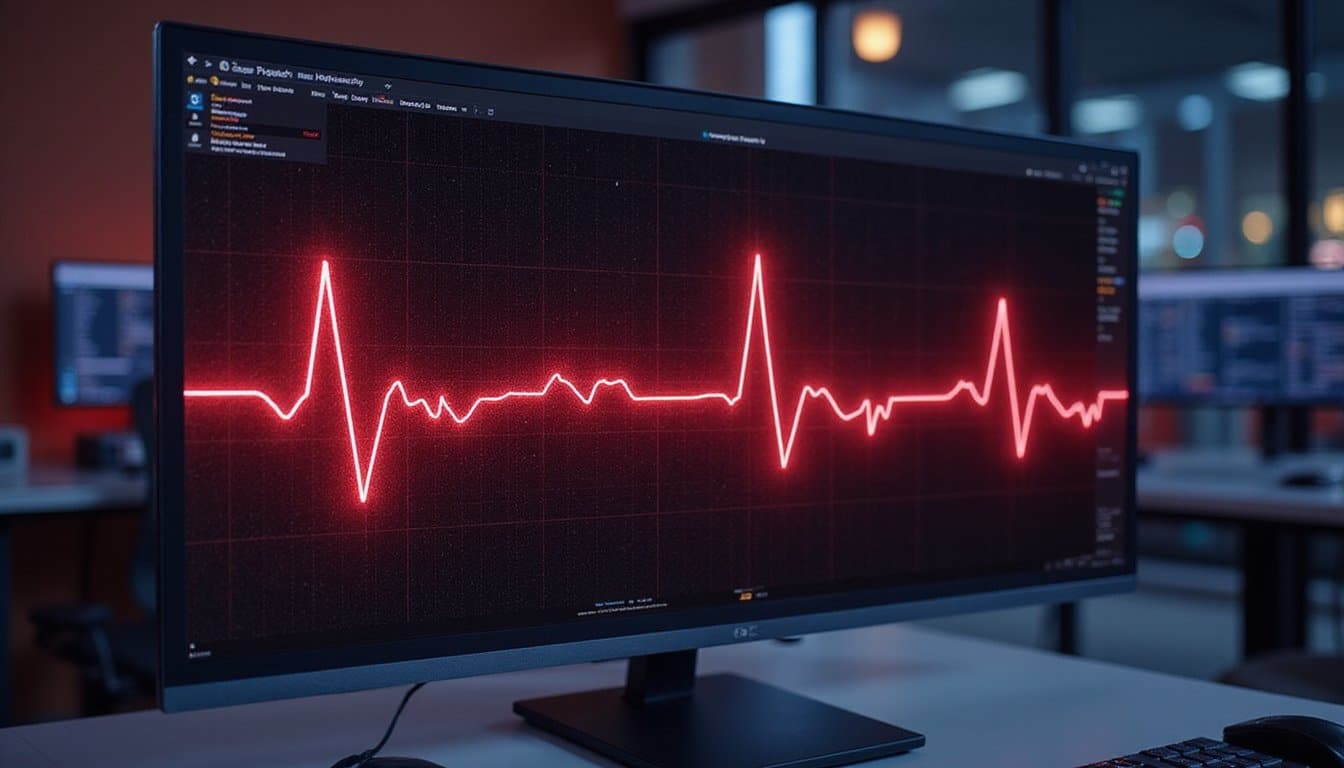
When you receive ketamine, the drug activates your sympathetic nervous system, triggering a “fight or flight” response that elevates both heart rate and blood pressure. This tachycardia and hypertension typically causes systolic and diastolic readings to spike 10-50% above your baseline within minutes of administration. These cardiovascular effects generally return to baseline within approximately 15 minutes following administration. If you have cardiovascular comorbidities, including hypertension, coronary artery disease, or heart failure, these transient cardiovascular effects pose heightened risks that require careful clinical consideration and monitoring. The increased blood pressure and heart rate create higher oxygen demand by the heart muscle, which may exacerbate underlying cardiac conditions in vulnerable patients.
Sympathetic Nervous System Activation
Ketamine triggers a pronounced sympathomimetic response that elevates both heart rate and blood pressure within minutes of administration. At standard anesthetic doses, you’ll experience heart rate increases of approximately 28% and systolic blood pressure elevations of 28% within 3-10 minutes post-induction. This central homeostatic dysregulation occurs because ketamine stimulates noradrenergic neurons, releasing norepinephrine, dopamine, and serotonin while simultaneously blocking catecholamine reuptake.
These sympathetic storm manifestations stem from ketamine’s dual mechanism: direct stimulation of sympathetic pathways and inhibition of monoamine transport systems. Your plasma noradrenaline concentrations can more than double during administration, while adrenaline levels rise from 97 to 271 ng/l through enhanced sympatho-adrenal activity. The S(+) isomer produces less cardiac stimulation than racemic ketamine, while higher doses paradoxically suppress mean arterial pressure. Myocardial oxygen consumption increases by 58%, though coronary blood flow typically compensates adequately. Due to concerns about increased myocardial oxygen demand potentially leading to ischemia, some researchers suggest ketamine should be contraindicated in patients with cardiovascular disease.
Cardiovascular Comorbidity Risks
Despite ketamine’s reputation as a hemodynamically stable anesthetic, its direct negative inotropic effects on cardiac myocytes pose significant risks for patients with underlying cardiovascular disease. Studies demonstrate a 21% decrease in cardiac index during ketamine infusion, with reduced cardiac contractility becoming particularly dangerous when catecholamine stores are depleted.
If you have preexisting pulmonary hypertension, ketamine can exacerbate your condition by raising pulmonary arterial pressures disproportionately to systemic pressures. This creates impaired cardiac filling and increases myocardial oxygen consumption. You’re contraindicated for ketamine use if you have uncontrolled hypertension, aneurysm history, or previous stroke.
For patients with coronary artery disease, diabetes mellitus, or heart failure, ketamine may precipitate myocardial ischemia. Research shows that patients with essential hypertension experience higher increases in systolic and diastolic blood pressure during ketamine infusion compared to normotensive patients. Clinicians should monitor your essential signs closely and avoid administration when cardiovascular risks outweigh therapeutic benefits. Long-term ketamine use disorder can lead to decreased ejection fraction through myocardial apoptosis and fibrosis, as demonstrated in case studies where patients presented with acute systolic heart failure requiring guideline-directed medical therapy.
Tachycardia and Hypertension Effects
Because ketamine stimulates your sympathetic nervous system and inhibits central cardiac parasympathetic activity, it triggers a fight-or-flight response that elevates heart rate, blood pressure, and cardiac output. These circulatory system perturbations typically manifest as mild to moderate increases, with systolic blood pressure peaking at approximately 16 mmHg and diastolic at 11 mmHg around 40 minutes post-infusion start.
Dose-dependent effects mean higher doses produce more pronounced tachycardia and hypertension. Your age and pre-existing hypertension considerably influence response magnitude, patients over 50 and those with elevated baseline pressures experience greater spikes. Individuals with underlying cardiac conditions such as coronary artery disease, arrhythmias, or prior heart failure face additional risks from these blood pressure fluctuations. Cardiovascular safety protocols require blood pressure monitoring every 10 minutes during infusions. Severe hypertension occurs in approximately 12.5% of patients, more frequently during initial sessions. These transient changes typically resolve within minutes to hours post-administration. Open communication between patients and healthcare providers about any discomfort related to blood pressure changes is essential for developing appropriate management strategies.
Why Ketamine Causes Nausea and Stomach Pain

When you receive ketamine, the drug stimulates receptors in your gastrointestestinal tract that share developmental origins with brain receptors, triggering nausea through the gut-brain axis and vagus nerve pathways. Your body may also mount acute toxicity responses, including direct irritation of the stomach lining that causes acid reflux, indigestion, and abdominal cramping. Additionally, ketamine’s effects on muscle rigidity can impact smooth muscle function throughout your digestive system, further contributing to stomach discomfort during and after administration. Ketamine also stimulates the vestibular system in your brain, which controls balance and spatial orientation, amplifying feelings of nausea and dizziness during treatment. The drug’s stimulation of dopamine and serotonin receptors further contributes to nausea by activating chemical pathways that signal discomfort to your brain.
Gastrointestinal Receptor Stimulation
Ketamine’s ability to cause nausea and stomach pain stems from its interactions with multiple receptor systems throughout your gastrointestinal tract and central nervous system. When ketamine enters your body, it stimulates serotonin receptors, triggering the chemoreceptor trigger zone in your medulla to activate vomiting responses.
Beyond serotonin pathways, ketamine affects calcium channel regulation in your gastrointestinal smooth muscle. L-type calcium channel inhibition reduces muscle contractions needed for normal peristalsis, causing cramping and discomfort. Additionally, potassium channel interactions alter your gastric tissue’s electrical activity patterns, disrupting stomach acid secretion and membrane potential stability.
NMDA receptor blockade further compounds these effects by modulating GABAergic interneurons that control stomach motility. Your sodium channels also experience suppression, changing how sensory nerves perceive gastrointestinal sensations and potentially masking or amplifying pain signals. Research shows that ketamine suppresses intestinal TLR4 expression and NF-κB activity, which may explain some of its complex effects on gastrointestinal inflammatory responses.
Acute Toxicity Responses
Although the gastrointestinal effects described above occur through receptor-level mechanisms, acute ketamine toxicity produces a distinct constellation of systemic responses that extend far beyond stomach discomfort.
When you experience ketamine toxicity, your body exhibits dose related mortality risks including cardiovascular strain, respiratory depression, and neurological disruption. Hypertension and tachycardia stress your heart, while severe cases may cause respiratory failure or seizures.
Post anesthetic recovery concerns include aspiration pneumonia from vomiting and prolonged altered mental status.
Warning signs requiring immediate medical attention:
- Loss of consciousness, stupor, or inability to respond to stimuli
- Slowed, shallow, or absent breathing patterns
- Chest pain accompanied by irregular heartbeat
Rhabdomyolysis and myocardial infarction represent life-threatening complications. You shouldn’t delay seeking emergency care if these symptoms develop during ketamine exposure.
Muscle Rigidity Effects
Beyond these acute systemic dangers, ketamine’s effects on skeletal muscle tone create an underrecognized pathway to gastrointestinal distress. At dissociative doses (1-1.5 mg/kg IV or 3-4 mg/kg IM), you’ll experience abrupt muscular rigidity as part of the cataleptic state. This enhanced tone extends beyond skeletal muscles to visceral areas, potentially contributing to stomach pain and discomfort.
The mechanism involves NMDA receptor antagonism combined with enhanced descending serotoninergic pathways. You may notice ocular muscle rigidity manifesting as nystagmus, while tonic clonic movements resembling seizures can occur. These effects reflect widespread muscle tone alterations that don’t spare your gastrointestinal tract.
Clinicians typically mitigate rigidity through co-administration of midazolam or muscle relaxants. Staying below dissociative thresholds reduces your risk of experiencing these visceral tone changes.
Permanent Bladder Damage From Long-Term Ketamine Use
When ketamine enters the urinary system, it triggers a cascade of cellular damage that can permanently compromise bladder function. Direct toxicity from ketamine and its metabolite norketamine causes urothelial cell death through mitochondrial dysfunction. Your bladder’s protective lining breaks down, progressing from early inflammation to irreversible bladder scarring within months of high-dose use. This damage extends upward, causing renal deterioration as ureters narrow and kidneys become substantially compromised.
Warning signs you shouldn’t ignore:
- Urinating more than six times daily with severe pelvic pain
- Blood in your urine accompanied by burning sensations
- Sudden urges and incontinence that disrupt daily activities
Research shows bladder capacity decreases extensively in chronic users, with fibrosis representing a late-stage condition indicating poor prognosis.
Depression, Psychosis, and Addiction With Chronic Use
The damage ketamine inflicts on your body extends beyond physical organs to your brain’s chemistry and function.
Research shows 77.5% of chronic ketamine users develop moderate to severe depressive symptoms, with prevalence of major depression reaching 27.9% in treatment-seeking individuals. Higher use frequency and dosage correlate directly with more severe depression scores, while cognitive impairment risks compound these psychiatric effects.
Chronic users also experience mild psychotic symptoms alongside mood disorders, contributing to social functioning deficits that erode daily life. Dependence develops with tolerance, some users escalate to 6-10 grams daily, experiencing withdrawal symptoms including craving, anxiety, and irritability upon cessation.
However, evidence indicates major depression can remit completely within three weeks of abstinence, suggesting these effects may reverse without antidepressant intervention when you stop using.
Liver, Kidney, and Respiratory Risks Over Time
While ketamine’s psychiatric effects dominate early concerns, the drug also poses significant hepatotoxic risks that escalate with use duration and dosage. Short-term use may trigger elevated liver enzymes through mitochondrial complex I inhibition, though these changes typically reverse upon cessation. Chronic abuse presents more severe consequences, with 9.8% of users developing liver injury, including fibrosis, cirrhosis, and cholangiopathy.
Your kidneys face progressive damage through glomerular injury and tubular necrosis with prolonged exposure. Research on long term carcinogenicity and reproductive toxicity remains limited, warranting continued investigation.
- You risk irreversible bile duct damage with chronic use
- Your kidney cells may undergo necrotic death from sustained exposure
- You face compounded organ failure when combining ketamine with alcohol
Warning Signs of Ketamine Dependence or Organ Damage
Because ketamine’s effects on the body accumulate gradually, you may not recognize dependence or organ damage until symptoms become severe. Watch for cognitive deficits including memory impairment, confusion, and difficulty concentrating. Mood disturbances such as depression, cravings, and irritability signal psychological dependency.
| Physical Signs | Urinary Symptoms | Behavioral Indicators |
|---|---|---|
| Tremors, sweating | Painful urination | Failed quit attempts |
| Muscle twitching | Urinary urgency | Loss of dosage control |
| Dilated pupils | Incontinence | Continued use despite harm |
| Abdominal cramps | Bladder pain | Preoccupation with obtaining ketamine |
| Chronic fatigue | Blood in urine | Relationship deterioration |
You should seek medical evaluation if you experience K-cramps, bladder discomfort, or withdrawal symptoms upon cessation. Early intervention prevents permanent organ damage and improves recovery outcomes.
How Doctors Monitor and Manage Ketamine Side Effects
Recognizing warning signs of ketamine dependence or organ damage represents only the first step, what happens next depends on how medical professionals actively monitor and intervene during treatment.
Spotting the warning signs is just the beginning, real safety comes from what your medical team does next.
During your ketamine session, you’ll undergo continuous cardiovascular and respiratory monitoring. Clinicians track your blood pressure, heart rate, and oxygen saturation via telemetry and pulse oximetry. They’ll conduct cognitive assessments before and after administration to evaluate dissociation and psychotomimetic effects. Urinary monitoring helps detect early bladder dysfunction from repeated exposure.
- You’re never left alone during treatment, supervision catches mood changes and agitation immediately.
- Emergency airway equipment stands ready if respiratory depression occurs.
- Pre-treatment screening identifies cardiovascular and psychiatric risks before they escalate.
Your medical team limits treatments to the minimum necessary, schedules follow-up evaluations, and restricts driving for 24 hours post-administration.
Frequently Asked Questions
Can Ketamine Side Effects Be Reversed After Stopping Use?
Some ketamine side effects reverse after you stop use, but others may persist. Your withdrawal symptoms typically subside within weeks, though protracted effects can last months. Research shows 51% of persistent bladder issues improve with cessation, but reexposure triggers recurrence. Unfortunately, chronic use may cause lasting cognitive deficits, including memory and attention impairments, that don’t fully resolve. No pharmacological intervention currently reverses these neurological changes; treatment focuses on managing symptoms rather than reversing underlying damage.
How Long Do Ketamine Hallucinations Typically Last After a Single Dose?
After a single dose, you’ll typically experience ketamine hallucinations with an onset duration of 1-30 minutes, peaking within the first hour. The cessation timeline generally falls within 40-75 minutes for most users, though this varies based on administration route and dosage. You should note that while acute hallucinations resolve relatively quickly, residual perceptual disturbances may persist for hours. Medical monitoring for 1-2 hours post-symptom resolution is clinically recommended.
Does Ketamine Interact Dangerously With Alcohol or Other Medications?
Yes, ketamine interacts dangerously with alcohol and other medications. When you combine ketamine with alcohol, you’re creating significant alcohol interactions that amplify sedation, respiratory depression, and overdose risk. Recreational consumption of both substances together occurs in 65-98% of ketamine users, dramatically increasing dangers including unconsciousness, cardiovascular complications, and impaired breathing. You should also avoid combining ketamine with benzodiazepines, opioids, and other CNS depressants, as these combinations can prove fatal.
What Is the Safe Dosage Range to Minimize Ketamine Side Effects?
You should start at the minimum effective dose to reduce side effects, typically 0.1, 0.3 mg/kg IV for analgesia or 0.5 mg/kg IV over 40 minutes for depression. Individual sensitivity factors like age, weight, metabolism, and concurrent medications profoundly influence your response. Older adults require lower doses due to slower clearance. Always work with a qualified clinician who can titrate carefully and monitor you throughout treatment to safeguard your wellbeing.
Are Ketamine Side Effects Different When Used Recreationally Versus Medically?
Yes, ketamine side effects differ profoundly between recreational and medical use. When you receive ketamine under medical supervision requirements, you’ll experience controlled, predictable effects with monitored crucial signs. However, recreational dosage levels are typically unregulated and exceed therapeutic thresholds, causing severe dissociation, unpredictable hallucinations, and dangerous cardiovascular changes. You’re also at greatly higher risk for bladder syndrome, cognitive impairment, and psychological dependence with recreational use due to cumulative toxic exposure.