






Your doctor can’t diagnose wet brain with a single test. Instead, they’ll use the Caine criteria, which requires two of four signs: dietary deficiency, oculomotor abnormalities, cerebellar dysfunction, or altered mental status. MRI scans may show characteristic hyperintensities in your thalamus and periaqueductal regions, while blood thiamine levels below 70 nmol/L support the diagnosis. Understanding each diagnostic component helps you recognize why early detection matters for preventing irreversible damage.
The Caine Criteria: A Four-Sign Checklist for Wet Brain

When doctors suspect Wernicke encephalopathy, they rely on the Caine criteria, a four-sign checklist that’s transformed how clinicians diagnose this condition. You need only two of four signs present: dietary deficiency, oculomotor abnormalities, cerebellar dysfunction, or altered mental status. The European Federation of Neurological Societies endorses this approach, which delivers 85% sensitivity and 87% specificity.
However, diagnostic challenges associated with Caine criteria exist. Since many patients don’t present with the classic triad, physicians must carefully evaluate each criterion. Research shows the complete classical triad of eye signs, cerebellar dysfunction, and altered mental status occurs in only 16% of patients. Caine criteria limitations include reliance on clinical observation, which varies between practitioners. You’ll find this checklist most accurate when examining alcoholics or individuals with confirmed thiamine deficiency. Accurate diagnosis becomes critical because prompt thiamine treatment within 48-72 hours of symptom onset can prevent irreversible brain damage. Despite these constraints, the criteria remain your most reliable bedside tool for identifying wet brain before irreversible damage occurs.
Why 94% of Non-Alcoholic Cases Go Undiagnosed
Because physicians typically associate Wernicke encephalopathy with chronic alcoholism, non-alcoholic cases slip through diagnostic screening at alarming rates. Under recognition of non alcoholic risk factors, including bariatric surgery, hyperemesis gravidarum, chemotherapy, and prolonged parenteral nutrition, contributes profoundly to missed diagnoses. When you don’t present with alcohol use history, clinicians often fail to ponder thiamine deficiency in their differential diagnosis. Individuals with poor nutrition for any reason are at risk for this disorder, yet without alcohol as a presenting factor, the connection to thiamine deficiency remains overlooked.
Barriers to diagnostic workup in non alcoholic patients include atypical symptom presentation and lack of clinical suspicion. You may exhibit incomplete symptom triads, making pattern recognition difficult. Without the alcohol-related red flag, healthcare providers delay or omit thiamine level testing and neuroimaging studies. This diagnostic blind spot proves particularly dangerous because non-alcoholic Wernicke encephalopathy carries identical risks for permanent neurological damage when treatment initiation is delayed. Early intervention is crucial to slow down the progression and alleviate symptoms, making timely diagnosis essential regardless of the underlying cause. Barriers to diagnostic workup in non-alcoholic patients include atypical symptom presentation and lack of clinical suspicion. You may exhibit incomplete symptom triads, making pattern recognition difficult. In many cases, clinicians primarily associate the disorder with chronic alcohol use and may not immediately consider what is wet brain called in medical terminology, Wernicke-Korsakoff syndrome, when alcohol misuse is absent. Without the alcohol-related red flag, healthcare providers may delay or omit thiamine level testing and neuroimaging studies. This diagnostic blind spot proves particularly dangerous because non-alcoholic Wernicke encephalopathy carries identical risks for permanent neurological damage when treatment initiation is delayed. Early intervention is crucial to slow down the progression and alleviate symptoms, making timely diagnosis essential regardless of the underlying cause.
Blood Tests for Wet Brain: Helpful but Not Definitive
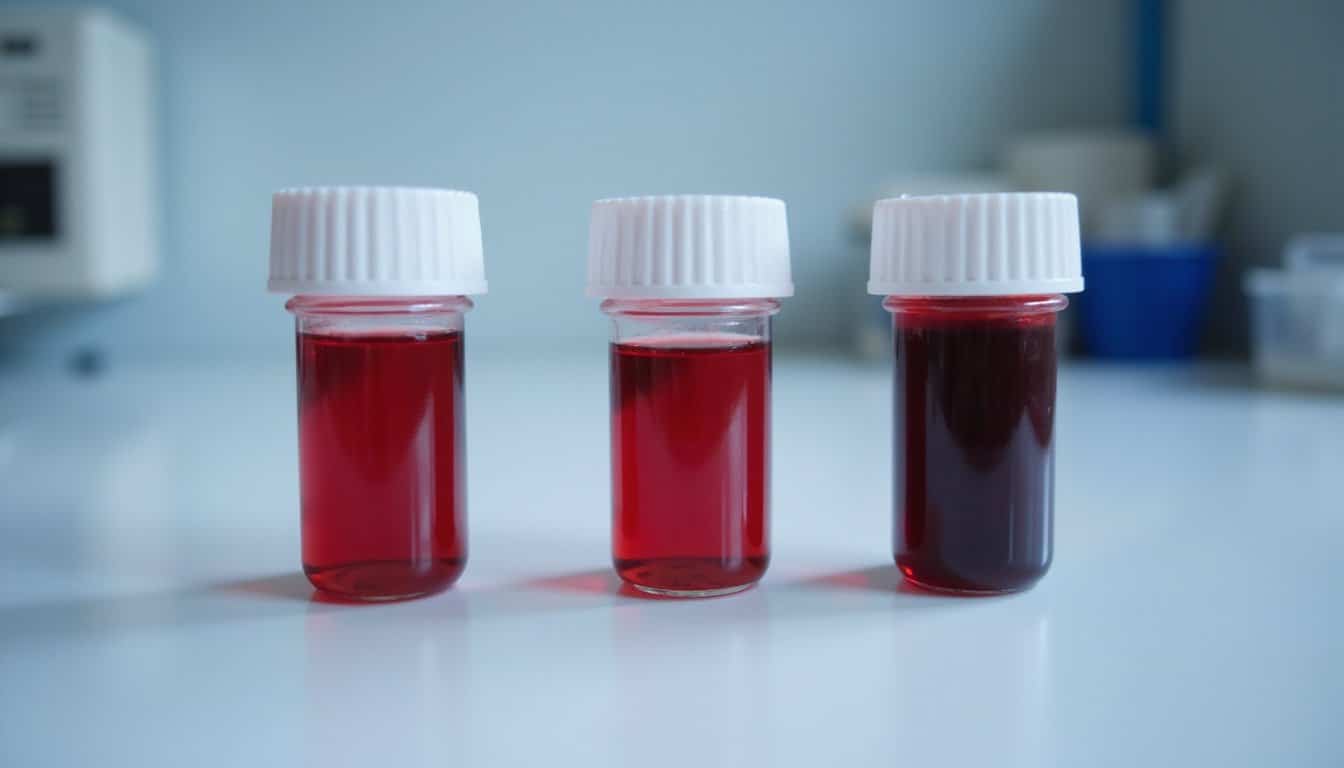
Diagnosing Wernicke-Korsakoff syndrome through laboratory testing presents both opportunities and substantial limitations that clinicians must understand. Your blood thiamine pyrophosphate levels below 70 nmol/L suggest deficiency, while acute cases often show concentrations under 40 nmol/L. Diagnosing Wernicke-Korsakoff syndrome through laboratory testing presents both opportunities and substantial limitations that clinicians must understand. In practice, diagnosing wet brain conditions early relies less on waiting for definitive laboratory confirmation and more on rapid clinical assessment, given the time-sensitive nature of neuronal injury. Your blood thiamine pyrophosphate levels below 70 nmol/L suggest deficiency, while acute cases often show concentrations under 40 nmol/L, but treatment should begin immediately when clinical suspicion is high to prevent irreversible neurological damage. Diagnosing Wernicke-Korsakoff syndrome through laboratory testing presents both opportunities and substantial limitations that clinicians must understand. Your blood thiamine pyrophosphate levels below 70 nmol/L suggest deficiency, while acute cases often show concentrations under 40 nmol/L. However, effective management requires clinicians to connect laboratory findings with wet brain symptoms and treatment, recognizing that confusion, ataxia, and oculomotor abnormalities warrant immediate high-dose thiamine administration even before results are finalized. In practice, early clinical judgment remains paramount, as treatment should begin immediately when suspicion is high to prevent irreversible neurological damage.
| Test Component | Clinical Value |
|---|---|
| Thiamine levels | Direct deficiency measurement |
| Magnesium panel | Assesses thiamine activation capacity |
However, limitations in specificity considerably affect diagnostic accuracy. Normal blood levels don’t rule out tissue-level brain deficits, and false negatives occur in 20-30% of clinically suspected cases.
Blood tests serve a supportive diagnostic role when combined with clinical presentation. They guide immediate thiamine replacement decisions and help exclude metabolic mimics like hypoglycemia. You shouldn’t rely on laboratory values alone, clinical symptoms remain primary diagnostic indicators. Additionally, blood tests help identify nutritional imbalances that often accompany chronic alcohol use and contribute to the development of this syndrome. Since chronic alcohol misuse impairs the body’s ability to absorb thiamine in the digestive tract and depletes liver stores, clinicians must consider a patient’s drinking history alongside laboratory findings.
What MRI Scans Reveal in Wet Brain Patients
When your doctor orders an MRI scan, they’re looking for specific brain changes that signal wet brain damage. The most telling findings include symmetrical abnormalities in your mammillary bodies, which appear in about 58% of cases, and bilateral signal changes in your medial thalami, detected in up to 85% of patients. Your periaqueductal gray matter also shows characteristic hyperintensity on T2/FLAIR sequences, helping clinicians confirm the diagnosis with 93% specificity. Early CT studies could detect ventricular enlargement but lacked the sensitivity to identify the edema or focal damage that MRI readily visualizes in these critical brain regions. Radiologists also evaluate apparent diffusion coefficient mapping, where the absence of ADC signal loss helps distinguish wet brain from other conditions causing similar brain changes.
Mamillary Body Abnormalities
MRI scans reveal five distinct abnormalities in the mammillary bodies (MMBs) of wet brain patients, making this small hypothalamic structure a critical diagnostic marker.
T2/FLAIR Hyperintensities
You’ll observe bilateral symmetrical hyperintensities reflecting edema severity from thiamine deficiency. These signal changes indicate both vasogenic and cytotoxic edema in metabolically active MMB tissue.
Contrast Enhancement
Gadolinium enhancement occurs in approximately 50% of cases, indicating increased vascular permeability from blood-brain barrier breakdown.
Hemosiderin Deposition
Quantitative susceptibility mapping detects hemosiderin deposits from prior petechial hemorrhages, showing elevated susceptibility values compared to healthy controls. In the early phase of Wernicke encephalopathy, petechial hemorrhage is known to occur in the mammillary bodies with subsequent atrophy.
Atrophy Patterns
Chronic alcoholic patients demonstrate MMB shrinkage following repeated episodes, distinguishing them from nonalcoholic cases. The MMBs are particularly vulnerable because of their high metabolic activity and thiamine dependence within the brain.
Diagnostic Utility
When FLAIR hyperintensities are absent, combining SWI with QSM identifies MMB abnormalities that confirm Papez circuit disruption.
Thalamic and Periaqueductal Changes
Beyond mammillary body abnormalities, T2 and FLAIR hyperintensities in the periaqueductal gray matter and thalamic regions provide additional diagnostic markers for wet brain. These symmetrical signal changes appear in approximately 40-46% of Wernicke’s encephalopathy cases, reflecting the high oxidative metabolism sensitivity of these structures to thiamine deficiency.
When you’re examining MRI findings, you’ll notice diffuse thalamic signals affecting the paraventricular and dorsomedial regions bilaterally. The midbrain abnormality patterns include tectal plate involvement alongside periaqueductal changes, creating a characteristic distribution around the third ventricle and cerebral aqueduct.
These alterations correlate directly with clinical symptoms like confusion and ataxia. DWI sequences may reveal hyperintense signals along the periaqueductal floor of the fourth ventricle. Following treatment, you’ll observe partial resolution of these hyperintensities on follow-up imaging. The median survival estimate for individuals with alcohol-related Wernicke-Korsakoff syndrome is 8 years, making early imaging diagnosis critical for patient outcomes. Emerging AI-enhanced technologies like AI-Rad Companion Brain MR are improving the detection and analysis of these subtle thalamic and periaqueductal changes.
When Normal Imaging Doesn’t Rule Out Wet Brain

Although MRI offers 93% specificity for detecting Wernicke’s encephalopathy, its sensitivity reaches only 53%, meaning nearly half of all cases won’t show characteristic abnormalities on imaging. Low sensitivity MRI findings occur frequently in nonalcoholic etiologies and atypical presentations involving the pons, cerebellum, or hippocampus.
Clinical presentation importance cannot be overstated when imaging appears normal. You must rely on the hallmark triad, mental confusion, ataxia, and ocular abnormalities, alongside thiamine deficiency history. Specialized cognitive tests also play a critical role by evaluating memory formation and confabulation patterns that characterize the syndrome.
| Diagnostic Factor | Clinical Relevance |
|---|---|
| Normal MRI result | Does not exclude WE diagnosis |
| Symptom triad present | Supports treatment initiation |
| Thiamine deficiency history | Confirms diagnostic suspicion |
| Atypical brain involvement | Reduces MRI reliability |
| Disease progression risk | Requires immediate intervention |
Normal scans don’t prevent progression to irreversible Korsakoff psychosis without prompt thiamine administration.
Ruling Out Stroke, Alzheimer’s, and Encephalitis
When patients present with confusion, gait disturbances, and eye movement abnormalities, clinicians must systematically exclude stroke, Alzheimer’s disease, and encephalitis before confirming wet brain.
Stroke produces acute focal neurological deficits with asymmetric MRI diffusion restriction, while wet brain shows symmetric T2/FLAIR hyperintensities in the thalami and mammillary bodies. Alzheimer’s disease demonstrates insidious cognitive decline with hippocampal atrophy rather than the reversible cognitive deficits characteristic of thiamine deficiency. Encephalitis typically reveals CSF pleocytosis, elevated protein, and asymmetric cortical involvement with enhancement.
Your clinical history proves essential, wet brain stems from malnutrition and inability to metabolize thiamine, often linked to alcohol use disorder or GI surgery. A therapeutic thiamine trial can confirm diagnosis when rapid improvement occurs, distinguishing wet brain from conditions unresponsive to supplementation. Diagnostic challenges are significant, as only 20% of cases are identified before death, making clinical vigilance and early intervention critical.
Frequently Asked Questions
How Quickly Should Thiamine Treatment Begin After Wet Brain Is Suspected?
You should begin thiamine treatment immediately upon suspecting wet brain, don’t wait for lab results or imaging confirmation. Timely thiamine administration is critical because delays risk progression to irreversible Korsakoff syndrome. When you identify at least two Caine criteria, start intravenous thiamine right away. Appropriate vitamin supplementation, including magnesium, should accompany treatment since deficiencies often coexist. Normal serum thiamine levels shouldn’t delay your intervention, as they don’t accurately reflect brain thiamine status.
Can Wet Brain Be Reversed if Diagnosed Early Enough?
You can potentially reverse some brain damage if you receive treatment quickly. Early intervention strategies markedly improve your recovery outcomes, regardless of thiamine dosage. However, you won’t achieve complete reversal, residual Korsakoff-type deficits affecting memory and cognition often persist. Your prognosis depends directly on the extent of neurological damage present when treatment begins. Without intervention, you face 50-80% progression to permanent Korsakoff syndrome, making prompt diagnosis critical for reversing brain damage where possible.
What Is the Prognosis for Patients Diagnosed With Wet Brain?
Your prognosis depends markedly on how early you receive treatment. Studies show cumulative mortality reaches 45% over 5.3 years, with 80-90% of Wernicke cases progressing to chronic Korsakoff syndrome. You’ll face substantial quality of life impact, as 25% of patients require long-term care needs including institutionalization. However, if you receive early thiamine intervention and maintain alcohol abstinence, you’ve a better chance, approximately one-quarter of treated patients achieve good recovery outcomes.
How Does Wet Brain Progress to Korsakoff Syndrome Without Treatment?
Without treatment, your Wernicke’s encephalopathy progresses to Korsakoff syndrome within days to weeks as thiamine deficiency causes permanent thalamic and hypothalamic damage. Alcohol abuse patterns accelerate this progression by impairing thiamine absorption, while underlying medical conditions like malnutrition compound the risk. You’ll experience acute confusion and ataxia evolving into irreversible anterograde amnesia and confabulation. Clinical evidence shows 80-90% of untreated cases convert to chronic Korsakoff psychosis with permanent cognitive impairment.
Are There Any Genetic Factors That Increase Wet Brain Risk?
Yes, you may have a genetic predisposition that increases your wet brain risk. Variants in the SLC19A2 and SLC19A3 genes, which encode thiamine transporters, can limit your body’s ability to absorb and utilize thiamine effectively. These genetic factors become clinically significant when combined with nutritional deficiencies, particularly during alcohol exposure. Research shows defective thiamine binding by transketolase follows an autosomal recessive pattern, meaning you’ll only express symptoms when thiamine levels drop critically.