






Orthorexia isn’t really about food, it’s driven by perfectionism, health anxiety, and a deep need for control. You set impossibly rigid dietary standards, and when you can’t meet them, you respond with even more restriction. Health anxiety turns normal food concerns into obsessions, while controlling what you eat feels like the one safe area in an unpredictable life. These psychological patterns often overlap with OCD traits, and understanding each cause can reveal a clearer path toward recovery. Understanding the orthorexia definition is crucial for recognizing the impact of these unhealthy eating habits. By defining it clearly, individuals can begin to identify their own behaviors and seek help if necessary. This clarity also fosters better conversations about mental health and nutrition, paving the way for healthier relationships with food.
How Perfectionism Pushes Orthorexia Past Healthy Eating

When perfectionism extends beyond a general drive for excellence into the domain of eating, it can transform well-intentioned dietary choices into an inflexible, all-consuming pattern. Research across 18 studies confirms that trait perfectionism, characterized by impossibly high standards and harsh self-criticism, is a primary psychological cause of orthorexia. You might recognize this in the rigid avoidance of foods deemed “unclean” or the excessive time spent planning every meal. These behaviors often include compulsive checking of nutritional labels and ingredient lists as part of the relentless pursuit of dietary purity.
As a perfectionism eating disorder driver, perfectionistic aspirations uniquely predict orthorexic behavior even after accounting for fear-based concerns. This connection between control and eating disorders creates a self-reinforcing cycle: you set unattainable dietary standards, inevitably fall short, then respond with intensified restriction rather than flexibility.
Health Anxiety and the Fear That Drives Orthorexia
While perfectionism sets unattainable standards for eating, health anxiety supplies the emotional fuel that keeps those standards locked in place. You’re not simply choosing healthier options, you’re responding to an overwhelming fear that eating the “wrong” food will cause serious harm. This fear transforms genuine health concerns into rigid, consuming obsessions about food purity.
The connection between anxiety and food control becomes self-reinforcing. Each rule you create temporarily reduces distress, but it also narrows your tolerance for flexibility. When you can’t verify ingredients or preparation methods, panic escalates. Over time, this pattern can lead to serious nutrient deficiencies, as the ever-growing list of forbidden foods deprives your body of essential nutrition. Among the most significant disordered eating causes, health anxiety uniquely distorts your relationship with nourishment itself, turning every meal into a threat assessment rather than an act of self-care.
Why Controlling Food Feels Like Controlling Your Life?
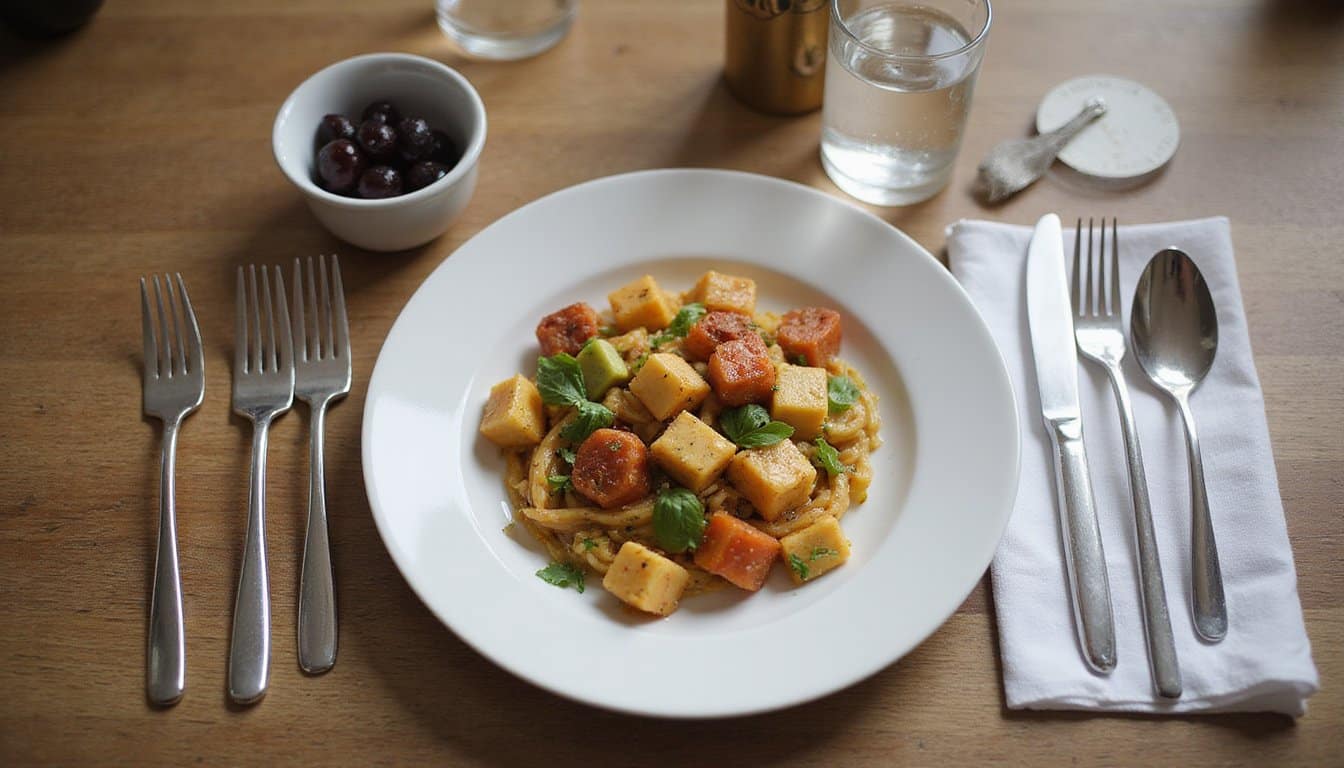
When life feels unpredictable or beyond your control, food can become the one area where you feel you have complete agency, and that sense of mastery is powerfully reinforcing. Rigid dietary rules offer a structured, black-and-white framework that replaces the ambiguity and chaos you’re experiencing in other parts of your life. Over time, this controlled eating pattern doesn’t just feel like a healthy choice; it feels like the only thing keeping you safe. This need for control is often deeply intertwined with perfectionism and high anxiety, which can drive individuals toward increasingly restrictive eating behaviors.
Diet Replaces Lost Agency
Understanding orthorexia causes requires recognizing this substitution pattern. You’re not simply choosing healthy meals, you’re rebuilding perceived authority over your environment. As you navigate this journey, be mindful of the signs of orthorexia that may arise. An obsession with clean eating can distort your relationship with food and lead to anxiety around meal choices. It’s important to establish a balanced perspective that promotes both health and enjoyment.
| Lost Agency Source | How Diet Compensates |
|---|---|
| Career instability | Rigid meal scheduling restores routine |
| Relationship conflict | Food rules create predictable outcomes |
| Health anxiety | “Clean” eating simulates medical control |
| Social powerlessness | Dietary identity provides self-definition |
This transfer feels productive initially. However, the control you’ve gained is narrow, fragile, and progressively restrictive, replacing genuine agency with dietary rigidity.
Food Rules Feel Safe
This perceived safety runs deeper than habit. Extended restriction alters your brain chemistry, creating neurochemical states your brain begins to depend on for mood regulation. Biological feedback loops reinforce the conviction that these rules are necessary for emotional stability.
Fear compounds the entrenchment. Abandoning food rules doesn’t just mean changing behavior, it means losing your primary coping mechanism. The perceived danger of relinquishing control consistently outweighs recognition of the disorder’s harmful consequences.
The Link Between OCD and Orthorexia Food Rituals
When your eating habits start to mirror the rigid rule systems seen in obsessive-compulsive disorder, where specific foods must be weighed, measured, and prepared according to inflexible standards, you’re likely experiencing more than a preference for healthy eating. Research shows a significant overlap between OCD and orthorexia, with obsessive-compulsive traits correlating moderately (r = 0.25, 0.40) with orthorexic symptoms and approximately 27.5% of individuals with orthorexia displaying clinically significant obsessive-compulsive features. These compulsive food preparation patterns, from requiring specific utensils to following time-consuming procedural sequences, function much like OCD rituals, they temporarily reduce anxiety but ultimately reinforce the cycle of obsessive control. In this context, orthorexia vs healthy eating becomes a critical distinction, as individuals may mistakenly believe they are simply making beneficial dietary choices. However, this mindset can lead to detrimental effects on both physical and mental health, where the pursuit of purity in food choices overshadows the joy and nourishment that eating should provide. Consequently, striking a balance between mindful eating and an obsession with food quality is essential for maintaining overall well-being.
Rigid Dietary Rule Systems
Although orthorexia and OCD are classified as distinct conditions, they share a core mechanism: intrusive, unwanted thoughts that drive rigid compulsive behaviors around food. You may find yourself eliminating entire food groups, processed foods, dairy, gluten, carbohydrates, not from preference but from escalating anxiety that demands neutralization. Over time, these restrictions intensify, potentially progressing to fasting or cleansing rituals as your rule system grows more inflexible.
- Ego-dystonic compulsions: Your food rituals feel driven by fear rather than personal values, mirroring OCD’s characteristic pattern of unwanted thoughts generating distressing behavioral responses
- Escalation over time: Dietary restrictions progressively tighten, with each eliminated food group reinforcing the compulsive cycle
- Catastrophic thinking: You believe breaking dietary rules will trigger severe health consequences, sustaining rigid behavioral patterns
Compulsive Food Preparation Patterns
Intrusive thought, ritual pairing: Obsessive fears about how food was grown, processed, or handled directly trigger compulsive preparation sequences designed to neutralize the perceived threat. You might spend hours sourcing ingredients from multiple locations, then follow rigid protocols, specific utensils, precise cutting shapes, fixed eating order, to guarantee perceived purity.
These rituals escalate. What begins as simple restrictions evolves into elaborate self-preparation requirements, with rules multiplying as perceived threats increase. You repeatedly verify preparation details, seeking reassurance that never lasts.
The functional cost is significant. Time-intensive rituals disrupt daily life, while avoidance of situations lacking self-prepared food drives social isolation. When preparation feels imperfect despite extensive effort, you’re left with distress, shame, and compromised self-worth, reinforcing the cycle that demands even stricter control.
How Wellness Culture and Social Media Fuel Orthorexia

Social media platforms, particularly Instagram, play a measurable role in shaping orthorexic eating patterns. Research shows 49% of individuals following health food accounts on Instagram exhibited orthorexia symptoms, compared to less than 1% of the general population. When you engage with wellness content, algorithms amplify similar material, creating echo chambers that normalize extreme dietary restriction.
Unqualified influencers present prescriptive nutrition advice with authority, reinforcing binary “good versus bad” food classifications that drive compulsive eating rules.
- Algorithmic reinforcement traps you in cycles of increasingly extreme content, turning casual interest in healthy eating into rigid dietary frameworks
- Fear-based language like “toxic,” “clean,” and “guilt-free” deepens moral associations with food choices, fueling anxiety
- Aesthetic pressure links specific eating patterns to idealized physical appearances, strengthening obsessive dietary control
Genetic and Biological Risk Factors for Orthorexia
While research on orthorexia’s specific genetic underpinnings remains limited, emerging evidence suggests that biological factors likely contribute to its development, much as they do with other eating disorders. Many causes of orthorexia nervosa are related to genetic or biological factors that can influence your dietary patterns, psychological perspective, and vulnerability to disordered eating behaviors.
However, it’s essential to recognize that most current research on genetic and biological risk factors focuses on eating disorders broadly, including anorexia nervosa, bulimia nervosa, and binge eating disorder, rather than orthorexia specifically. While overlapping mechanisms may exist, you shouldn’t assume these findings translate directly. What we do know is that biology doesn’t operate in isolation. Your genetic predispositions interact with psychological traits like perfectionism and anxiety, creating conditions where orthorexic patterns can take root.
Frequently Asked Questions
Can Orthorexia Develop in Children or Is It Only an Adult Condition?
Orthorexia can absolutely develop in children, it’s not limited to adults. Most eating disorders have roots in childhood and early adolescence, with symptoms often becoming more visible over time. If your child shows perfectionism, anxiety, or a rigid focus on “healthy” eating, these behaviors may signal early development. Because children are in critical growth periods, early recognition matters. With timely awareness and support, you can help address these patterns before they become more restrictive.
How Is Orthorexia Officially Diagnosed if It’s Not in the DSM?
There’s no single official diagnostic method for orthorexia since it isn’t recognized in the DSM-5. Clinicians typically rely on screening tools like the ORTO-15, the Eating Habits Questionnaire, or Bratman’s original criteria. An international expert panel has also proposed consensus criteria requiring clinically significant psychosocial impairment and a minimum six-month symptom duration. If you’re concerned about your eating patterns, a qualified professional can still evaluate and support you effectively.
What Types of Therapy Are Most Effective for Treating Orthorexia?
Several evidence-based therapies can help you work through orthorexia. CBT and Exposure & Response Prevention (ERP) challenge unhelpful thought patterns and gradually reintroduce feared foods. Acceptance and Commitment Therapy (ACT) builds psychological flexibility through mindfulness, while Dialectical Behavior Therapy (DBT) strengthens emotional regulation. Complementary approaches like cognitive restructuring, psychoeducation, and relaxation techniques also support recovery. Your therapist can tailor these methods to address your specific needs.
Can Orthorexia Lead to Serious Physical Health Complications Over Time?
Yes, orthorexia can lead to serious physical health complications over time. When you severely restrict food groups, you risk malnutrition, nutrient deficiencies, and metabolic imbalances that affect your body’s essential functions. These patterns mirror complications seen in anorexia nervosa, including weakened bones, hormonal disruption, and compromised immunity. If you’re noticing physical symptoms alongside increasingly rigid eating habits, it’s important to seek professional support before these effects become more severe.
How Can Loved Ones Support Someone Struggling With Orthorexia Without Causing Conflict?
You can support a loved one by approaching conversations with curiosity rather than criticism. Instead of commenting on their food choices, express concern for their overall well-being. Avoid ultimatums or forced changes, as these often increase resistance. Listen without judgment, validate their feelings, and gently encourage professional help when they’re receptive. You’ll build trust by respecting their autonomy while consistently showing you’re a safe, nonjudgmental presence throughout their recovery journey.