






Social media is physically rewiring your brain’s dopamine and reward systems, creating dependency patterns that mirror addiction. Clinical data confirms that just three hours of daily use doubles your depression risk, while algorithmic exposure to self-harm content affects nearly 1 in 10 teens weekly. Cyberbullying victims face 2.5x higher anxiety disorder rates, and 93% of Gen Z loses sleep to compulsive scrolling. The full picture of what these platforms are doing to your mind is far more alarming than most realize.
What Social Media Does to the Developing Brain
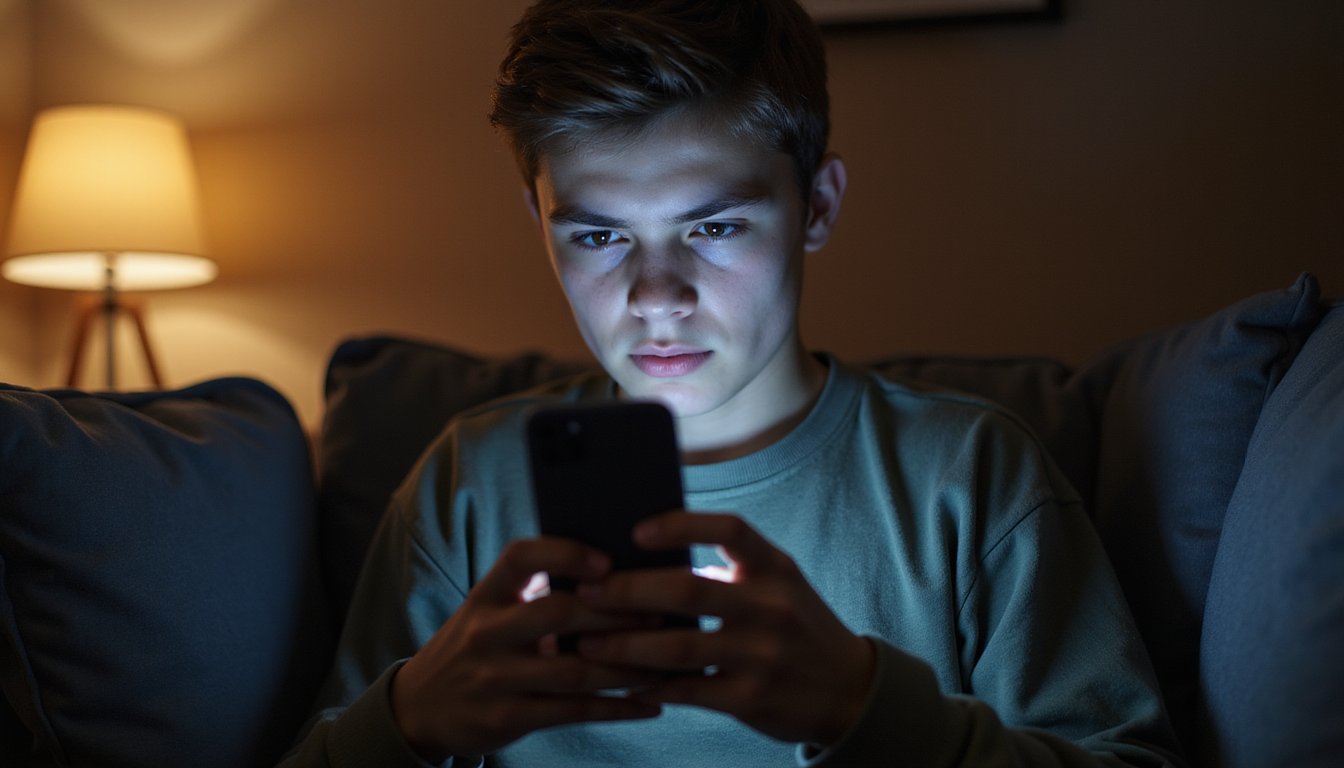
When you scroll through social media, your brain isn’t simply passively receiving information, it’s actively being reshaped. Habitual checking alters the dopamine and reward system, elevating dopamine release and conditioning your brain to seek constant stimulation, similar to addiction mechanisms involving gambling or substances.
Your sensitivity to social rewards intensifies over time. Frequent checkers develop heightened reactivity to likes and comments, while the amygdala and anterior cingulate cortex undergo measurable gray-matter changes affecting emotional processing.
Cognitive control deficits emerge as amygdala hyperactivation weakens impulse regulation and shortens attention spans. Prefrontal regions responsible for judgment show altered development in heavy users.
The long-term developmental risks are significant. Spending over three hours daily correlates with heightened mental health risks, and adolescents, whose emotional brain regions are still remodeling, face the greatest neurological vulnerability. A three-year longitudinal study confirmed measurable brain changes in adolescents who habitually checked social media, though whether these changes are ultimately harmful or beneficial remains uncertain.
How Social Media Drives Teen Depression and Anxiety
The neurological changes described above don’t stay abstract, they translate into measurable psychiatric outcomes, and teenagers are bearing the brunt of it. Social comparison theory explains why: you’re wired to evaluate yourself against others. On social media, that means constant upward social comparison against curated highlight reels, accelerating body image dissatisfaction and low self-esteem development. Understanding what is mental health first aid can empower friends and family to provide support during challenging times. It equips individuals with the skills to recognize signs of mental health struggles and offer appropriate assistance. This proactive approach can foster a culture of care and resilience among teenagers who are navigating the pressures of modern life.
| Risk Factor | Measured Outcome |
|---|---|
| 3+ hours daily use | Twice the depression risk |
| Ages 12, 15 exposure | Higher anxiety diagnosis rates |
| Cyberbullying experience | 2.62× suicidal ideation risk |
| Instagram algorithm exposure | 97% receive self-harm content |
| Preteen use increase | 35% rise in depressive symptoms |
These aren’t correlational guesses, they’re diagnostic red flags signaling a generation absorbing compounding psychological damage through daily platform engagement. Teen social media addiction rates have already climbed from 7% to 11% globally, a trajectory that mirrors the worsening mental health outcomes being documented across clinical and population-level studies.
How Much Daily Use Becomes Genuinely Dangerous
When you spend more than three hours daily on social media, you drastically raise your risk for anxiety, depression, and loneliness, but crossing five hours amplifies that danger even further, with 41% of the heaviest teen users rating their overall mental health as poor or very poor compared to just 23% of low-frequency users. The data draws a clear dose-response relationship: the more time you invest in scrolling, the more measurable the psychological cost becomes. You can, however, interrupt this pattern by cutting daily use to around 30 minutes, a reduction that research links to meaningful decreases in anxiety, depression, and feelings of isolation. Heavy social media use is also closely tied to poor sleep quality, further compounding the mental health risks that accumulate with each additional hour spent online.
Three Hours Triggers Risk
Most people assume that casual scrolling is harmless, but research draws a clear and measurable line at three hours of daily social media use, the point where risk stops being theoretical and starts showing up in clinical data. Once you cross that three-hour threshold, depression rates climb 9%, anxiety rises 12% in college-aged users, and psychological well-being measurably deteriorates. Your brain’s dopamine reward centers shift from casual engagement into patterns consistent with addictive behavior. For adolescents, the consequences intensify further, sleep disruption, heightened FOMO, and elevated suicidal ideation all correlate with exceeding three hours. Females show disproportionately greater internalizing difficulties at this benchmark. Social media doesn’t gradually erode your mental health; it escalates it, and three hours mark is where that escalation becomes clinically significant.
Five Hours Doubles Danger
Five hours of daily social media use isn’t just excessive, it’s a clinical threshold where mental health outcomes shift from concerning to genuinely dangerous. Research confirms that heavy users crossing this boundary demonstrate approximately double the depression rates compared to non-users, signaling a serious risk of major depressive disorder.
You’re also twice as likely to express suicidal intent or self-harm ideation when you’re in the highest consumption group. The psychological distress in heavy users isn’t incidental, it’s measurable, consistent, and replicates across diverse demographics.
Digital addiction risk intensifies here because dopamine-driven engagement patterns become self-reinforcing. With 37% of U.S. teens averaging five-plus hours daily, anxiety disorder symptoms are escalating systematically. At this threshold, you’ve moved beyond passive risk into documented clinical territory requiring active intervention.
Limiting Use Saves Health
Although the risks build gradually, the data reveal a clear threshold: teens in the highest social media use group are nearly twice as likely to rate their mental health as poor or very poor compared to the lowest use group, 41% versus 23%. Reducing screen time exposure to 30 minutes daily considerably lowers anxiety, loneliness, and depressive symptoms. Your screen time management strategies matter noticeably, replacing scrolling with in-person activity produces documented mental health improvements. Digital well-being awareness also extends to platform diversity; using 7, 11 platforms triples your odds of depression and anxiety. Parental monitoring for adolescents proves equally critical, 60% of high-frequency users with low parental oversight report poor mental health. Strong monitoring cuts that risk substantially, even when screen time remains high. Small, deliberate limits create real, measurable protection.
The Harmful Content Hidden Inside Every Platform
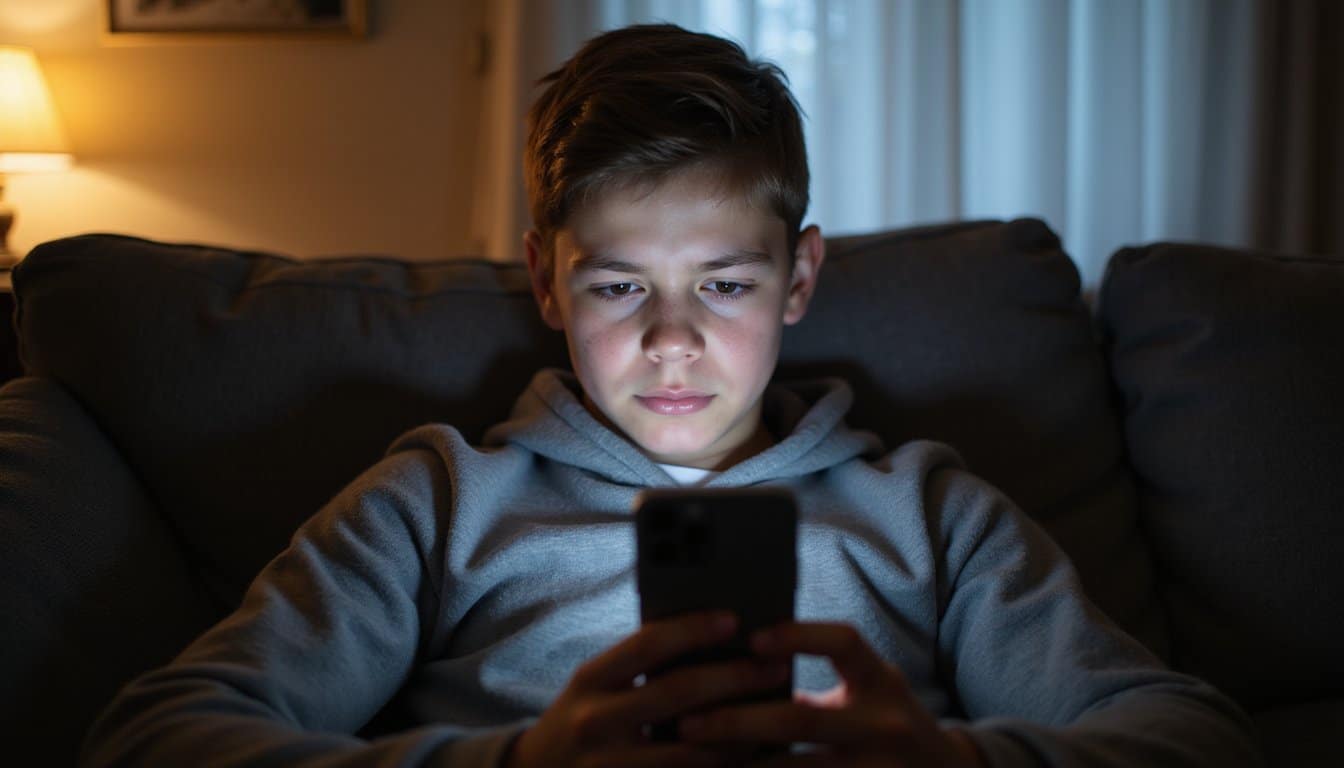
Behind the polished interfaces of today’s most popular platforms, algorithmic systems are quietly shaping what you see, and the consequences are measurable. Digital media platforms don’t passively deliver content, they’re engineered to maximize engagement, often at the cost of your emotional wellbeing changes and mental health.
Key findings reveal the scope of the problem:
- Instagram’s algorithm recommended self-harm content in 97% of cases for teen accounts
- 8.4% of teen Instagram users aged 13, 15 encountered self-harm content weekly
- Self-image and appearance concerns worsened for nearly one-third of teen girls using Instagram
- Problematic social media use exposes users to racist content, unrealistic beauty standards, and disinformation
- Internal Meta research confirmed platforms knowingly harmed young users’ mental health
These aren’t isolated incidents, they’re systemic patterns embedded within platform design itself.
Cyberbullying’s Measurable Toll on Teen Mental Health
When cyberbullying enters your teen’s life, the mental health consequences follow measurable, predictable patterns: 28.5% of bullied teens develop depression symptoms compared to just 12.1% of non-bullied peers, and 29.8% show anxiety symptoms versus 14.5% in those without bullying exposure. You’re also looking at a direct link between online harassment and suicidal ideation, with 24% of victims contemplating suicide, and bullied teens being four times more likely to engage in self-harm. Compounding these risks, the stress and hypervigilance that cyberbullying creates disrupts sleep architecture, triggering elevated cortisol levels that further destabilize mood, concentration, and emotional regulation.
Cyberbullying’s Depression Rate Surge
Cyberbullying has emerged as one of the most measurable drivers of depression among adolescents, with research consistently linking victimization to severe psychological consequences. Your understanding of these depression associations reveals how deeply online harassment experiences reshape mental health trajectories.
Key findings from cyberbullying exposure research confirm:
- Bullied teens are nearly twice as likely to report depression symptoms (28.5% vs. 12.1%)
- 93% of victims experience sadness and hopelessness as primary outcomes
- PTSD and severity indicators, including anger and dissociation, are notably elevated in bullied inpatients
- Victims are four times more likely to engage in self-harming behavior
- Cyberbullying predicts suicidal ideation more powerfully than depressive symptomology alone
These patterns aren’t coincidental, they’re diagnostic. Recognizing cyberbullying’s compounding relationship with depression and PTSD is essential for early clinical intervention.
Online Harassment Anxiety Links
Beyond depression, online harassment carves a measurable path into anxiety disorders that’s equally alarming. When you’re cyberbullied, your brain’s threat-detection system stays chronically activated, amplifying social rejection sensitivity and online identity pressure. Bullied teens show 29.8% anxiety symptoms versus 14.5% in non-bullied peers, you’re looking at a near-doubling of risk. Beyond depression, online harassment carves a measurable path into anxiety disorders that’s equally alarming. When you’re cyberbullied, your brain’s threat-detection system stays chronically activated, amplifying social rejection sensitivity and online identity pressure. Bullied teens show 29.8% anxiety symptoms versus 14.5% in non-bullied peers, you’re looking at a near-doubling of risk.This reinforces the question is anxiety disorder a mental disorder, as these patterns clearly demonstrate how environmental stressors like cyberbullying can trigger clinically significant anxiety conditions that affect daily functioning and long-term mental health.
| Factor | Bullied Teens | Non-Bullied Teens |
|---|---|---|
| Anxiety Symptoms | 29.8% | 14.5% |
| Anxiety Disorder Risk | 2.50x higher | Baseline |
| Trauma Links | 32% symptom variation | Minimal |
| School Avoidance | 19.2% | Lower rates |
| Multiple Bullying Types | 28% affected | Not applicable |
Girls face disproportionately higher anxiety rates, while trauma links confirm that cyberbullying explains 32% of teen trauma symptom variation, data you can’t dismiss.
Suicidal Ideation Sleep Disruption
The data on cyberbullying’s link to suicidal ideation is stark and cannot be ignored. Victims face dramatically elevated risks, compounded by sleep disturbances from screen exposure and circadian rhythm disruption that deepen psychological vulnerability.
Key findings reveal:
- Cyberbullying victims show 38.4% suicidal ideation rates versus 16.6% among non-victims
- Victims are 2.57 times more likely to attempt suicide
- Loneliness and social isolation feelings independently increase the odds of suicidal ideation
- Females face 72% higher suicidal ideation odds (aOR=1.72)
- Cybervictims are 2.35 times more likely to self-harm
Circadian rhythm disruption from late-night screen exposure elevates cortisol, worsening emotional dysregulation. When you’re already processing harassment, disrupted sleep intensifies suicidal ideation risk, creating a dangerous, measurable cycle demanding immediate clinical attention.
Why Social Media Deepens Loneliness Instead of Relieving It
Many people turn to social media expecting connection, yet research consistently shows it deepens loneliness rather than relieves it. Whether you engage actively or passively within online social networking environments, studies confirm loneliness increases over time regardless of participation style. A nine-year longitudinal study of nearly 7,000 adults demonstrated this pattern consistently.
Your brain’s dopamine reward system activation responds to notifications and likes, reinforcing compulsive checking without delivering genuine emotional fulfillment. Validation-seeking behavior keeps you returning, yet digital interactions lack the depth of face-to-face contact. Fear of missing out fomofomointensifies this cycle, pushing you toward platforms that ultimately substitute rather than supplement real connection.
Research confirms a feedback loop: loneliness drives usage, usage amplifies isolation. Reducing social media consumption produced measurable decreases in loneliness, particularly among those already experiencing depressive symptoms.
Sleep Destruction, Addiction, and the 6-Year Time Trap
While loneliness quietly erodes your emotional health, social media is simultaneously dismantling your sleep. The psychological well-being impact extends beyond sadness, it’s rewiring your rest cycles through addiction-driven behaviors and sleep destruction patterns backed by research.
Consider what the data reveals:
- 93% of Gen Z stays up past bedtime scrolling, directly losing sleep
- Frequent checking triples your sleep disturbance risk versus infrequent users
- Every 15 minutes of YouTube watching increases teen sleep deprivation by 24%
- 21% of adults wake nightly to check phones
- Highest social media time doubles sleep disturbance risk overall
Digital peer comparison fuels compulsive checking, delaying your bedtime, and fragmenting sleep quality. Longitudinal evidence confirms this pattern predicts worse outcomes one year later, meaning today’s habit is tomorrow’s chronic problem. Finding strategies on how to improve mental health can be essential in combating these effects. Engaging in activities that foster connection and mindfulness may help restore balance.
Most Teens Already Know Social Media Is Hurting Them
Despite heavy daily use, most teens aren’t blind to what social media is doing to them. Nearly half acknowledge spending too much time online, and 48% believe it harms people their age. These aren’t passive observations, 44% have actively tried cutting back, signaling real awareness of deteriorating mental health outcomes.
You can see the disconnect clearly: teens recognize the damage yet continue scrolling. Girls report disproportionately higher rates of negative mood changes, confidence erosion, and sleep disruption, reflecting adolescent brain development vulnerability during a critical identity-forming period.
Even more telling, teens themselves identify overuse as a primary driver of depression in their age group. This self-diagnosis points to emerging emotional dysregulation symptoms that many recognize but struggle to interrupt without structured intervention or external support.
Daily Limits and Habits That Measurably Reduce the Damage
Thirty minutes appears to be a meaningful threshold. Research confirms that limiting daily use to 30 minutes reduces anxiety, depression, and loneliness by interrupting instant gratification feedback loops and notification-driven attention patterns that sustain compulsive checking.
Habits that measurably reduce harm include:
- Set a 30-minute daily cap using automated reminders to support consistent adherence
- Establish screen-free windows before bed to protect sleep habits and preserve melatonin production
- Prioritize physical activity to counteract activity displacement caused by sedentary scrolling
- Schedule face-to-face interactions to replace hollow online connections
- Use cognitive behavioral therapy if limits alone fail, 83% of therapy-based studies showed measurable well-being improvements
If social media consistently disrupts your sleep, focus, or mood, these aren’t minor inconveniences, they’re diagnostic signals worth addressing deliberately.
A Better Life Is Just One Call Away
Your mental health shapes everything you feel, think, and experience each day, and building better habits with the right support can truly transform your life. At Eleve Wellness, we are here to support your growth through our structured Mental Health Programs built to help you develop the tools you need for long-term wellness. Call us today at +1 (833) 902-7098 and let us walk with you toward a healthier tomorrow.
Frequently Asked Questions
Can Social Media Use Trigger or Worsen Existing Diagnosed Mental Health Conditions?
Yes, social media can trigger and worsen your existing mental health conditions. If you’re managing psychosis, depression, or anxiety, frequent platform use links to heightened symptom severity, increased suicide risk, and greater psychological distress. Your chat room participation can intensify psychotic symptoms, while heavy usage correlates with loneliness, self-harm, and depressive episodes. You’re also replacing meaningful in-person connections with digital interactions, which deepens isolation and accelerates symptom deterioration across diagnosed psychiatric conditions.
Are Certain Personality Types More Vulnerable to Social Media’s Negative Mental Health Effects?
Yes, your personality dramatically shapes your vulnerability. If you’re high in neuroticism, you’re carrying over twice the depression risk from social media use. Low agreeableness raises your susceptibility tremendously, while high agreeableness reduces your depression likelihood by 49%. If you’re introverted or low in conscientiousness, frequent use intensifies your depressive symptoms and perceived isolation. Your personality isn’t just a trait, it’s a measurable risk factor determining how severely social media affects your mental health.
Does Parental Social Media Use Influence How Children Develop Their Own Digital Habits?
Yes, your children directly mirror your digital behaviors. When you check your smartphone excessively, 54% of children report feeling unimportant, absorbing those habits as normal. If you model poor boundaries, teens replicate your patterns, developing compulsive checking behaviors themselves. High parental social media use correlates with children’s deceptive online behavior and stronger cravings for screen time. You’re fundamentally/essentially/primarily/effectively programming your child’s digital relationship, your habits become their blueprint.
Can Social Media Negatively Affect Mental Health Even When Used for Professional Purposes?
Yes, professional social media use can still negatively affect your mental health. When you scroll through colleagues’ career achievements, you’re triggering upward social comparisons that fuel anxiety, rumination, and depression. You’re also exposing yourself to performance pressure, potential workplace harassment, and late-night screen time that disrupts your sleep and cognitive function. Research confirms that professional platforms don’t exempt you from dopamine-driven overuse, stress responses, or the psychological damage caused by constant social comparison.
Are There Age Groups Less Susceptible to Social Media’s Harmful Psychological Effects?
Yes, you’re less susceptible to social media’s harmful effects as an older adult. Research confirms that adolescents aged 10-19 face the greatest risks due to sensitive brain development, with Gen Z reporting considerably higher negative impacts than older generations. Your matured prefrontal cortex provides stronger emotional regulation, reducing vulnerability to social comparison and dopamine-driven compulsive use. However, you’re never completely immune, excessive use, cyberbullying exposure, and sleep disruption can still compromise your mental health regardless of age.